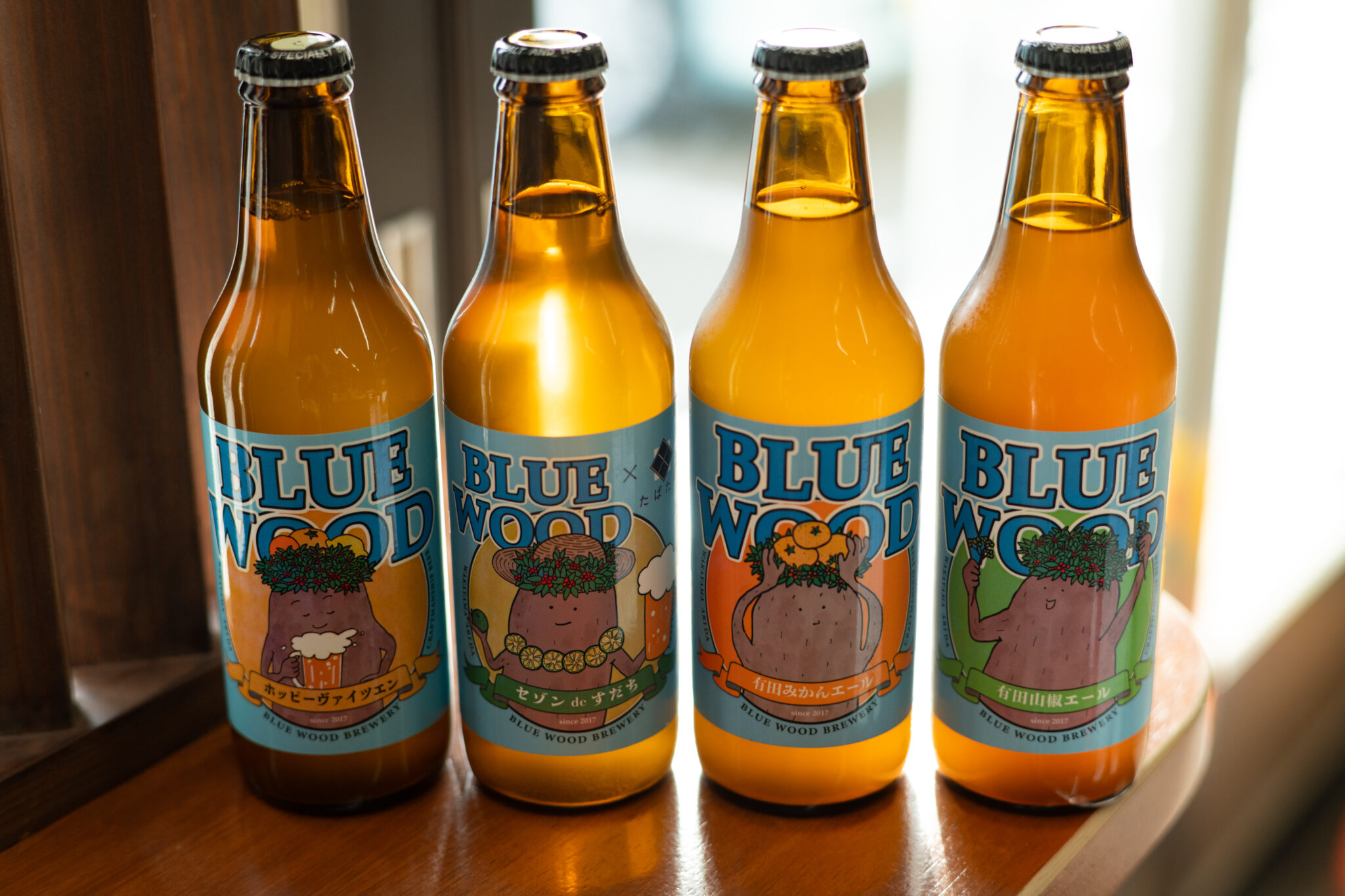
In this new short column series, the DIG THE TEA editorial team explores unique shikohin products and botanicals that we encounter on our journeys across Japan.
For our first installment, we take you to Wakayama Prefecture, where we discovered an abundance of exceptional produce nurtured by the region’s mild climate and lush vegetation, from the rare grape sansho to a vibrant variety of citrus fruits.
The below articles introduce the producers and their farms in detail.
Wakayama’s Mandarin Farmers on the Newest Trends in Citrus Culture
In the spare moments between interviews, we took the opportunity to explore cultural sites and local attractions that might have a connection to Wakayama’s sansho and citrus production.
By chance, we stumbled upon a craft beer brewery, Bluewood Brewery, which we are excited to share with you.
A brewery that looks like an ordinary liquor shop
Aritagawa Town in Wakayama Prefecture is renowned as a major producer of mandarin oranges. When we visited in winter—the peak of the harvest season—citrus fruits were everywhere, from the orchards to in the gardens of private homes. All the citrus farmers were busy harvesting oranges.
At the local farmers’ markets, rows upon rows of citrus fruits in vibrant shades of yellow, orange, and green were neatly displayed, each labeled with the name of the farmer who had grown them.
As we drove through the bustling town, alive with the energy of the citrus harvest, we noticed Bluewood Brewery pop up on Google Maps.
Since we had a bit of time before our next interview—and a shared love for beer—we decided to stop by and check it out.
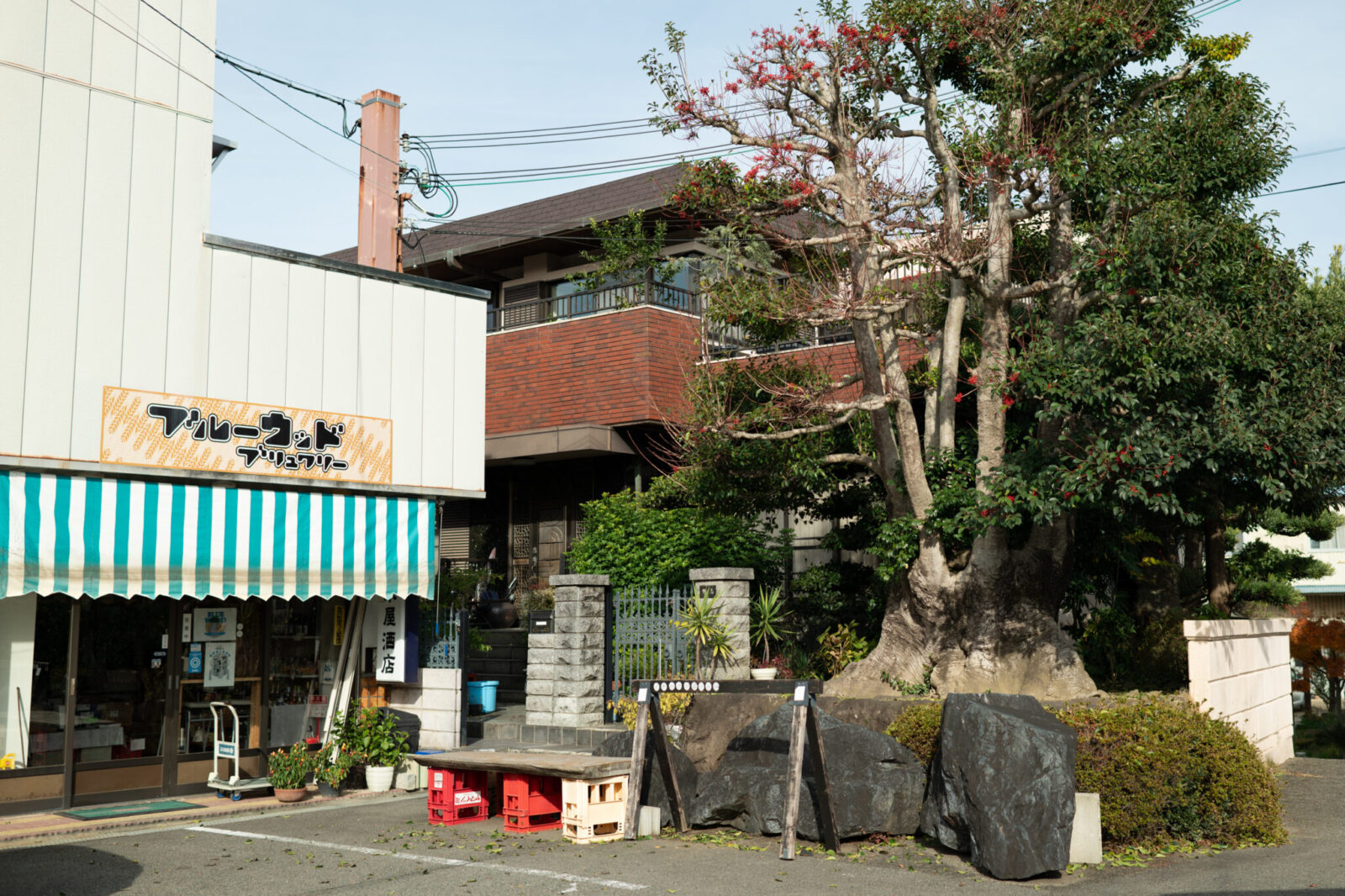
When we arrived at our destination, we were met with the sight of a small, old-fashioned liquor store.
Unsure if we had come to the right place, we double-checked the sign—and sure enough, it read Bluewood Brewery.
Outside, a makeshift bench—a simple wooden plank resting on top of beer crates—set the tone for the laid-back, unpretentious atmosphere. Intrigued by the unexpected setting, we stepped inside to take a look.
At first glance, the interior appeared to be a typical liquor store. But as we approached the refrigerator, our excitement grew—inside, neatly lined up, were rows of charmingly designed craft beer bottles.
The fridge was packed with an impressive variety of craft beers.
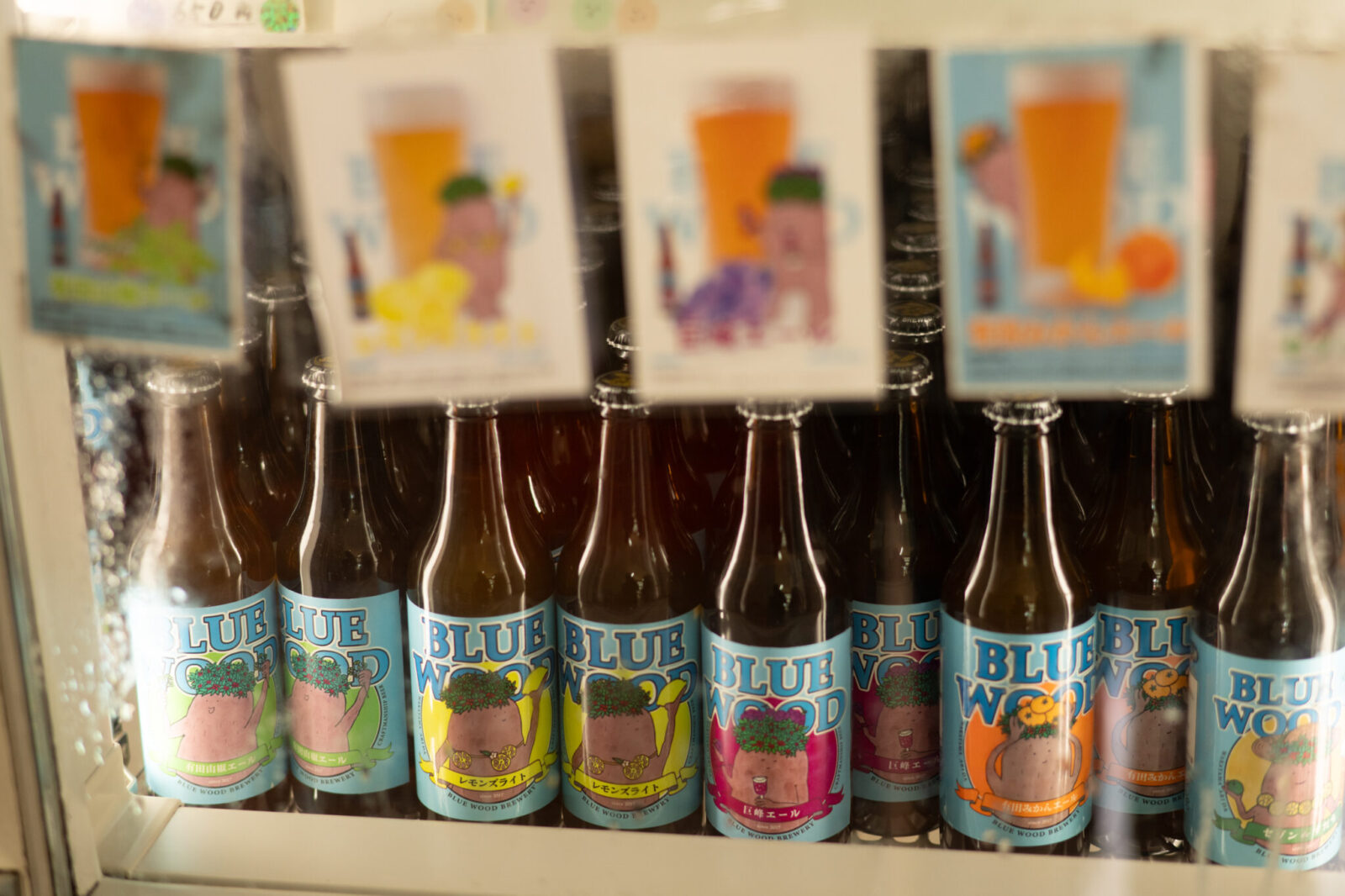
Among the beers, we found varieties made with sansho and mandarin oranges—a perfect match for the focus of our trip.
Other flavors included plum, sumomo plum, strawberry, lemon, and hassaku oranges, each showcasing a specialty of Wakayama Prefecture.
As we stood mesmerized by the colorful lineup in the fridge, we noticed a beer tap set up nearby, offering fresh pours for tasting right on the spot.
Craft beers made with plenty of local Wakayama ingredients
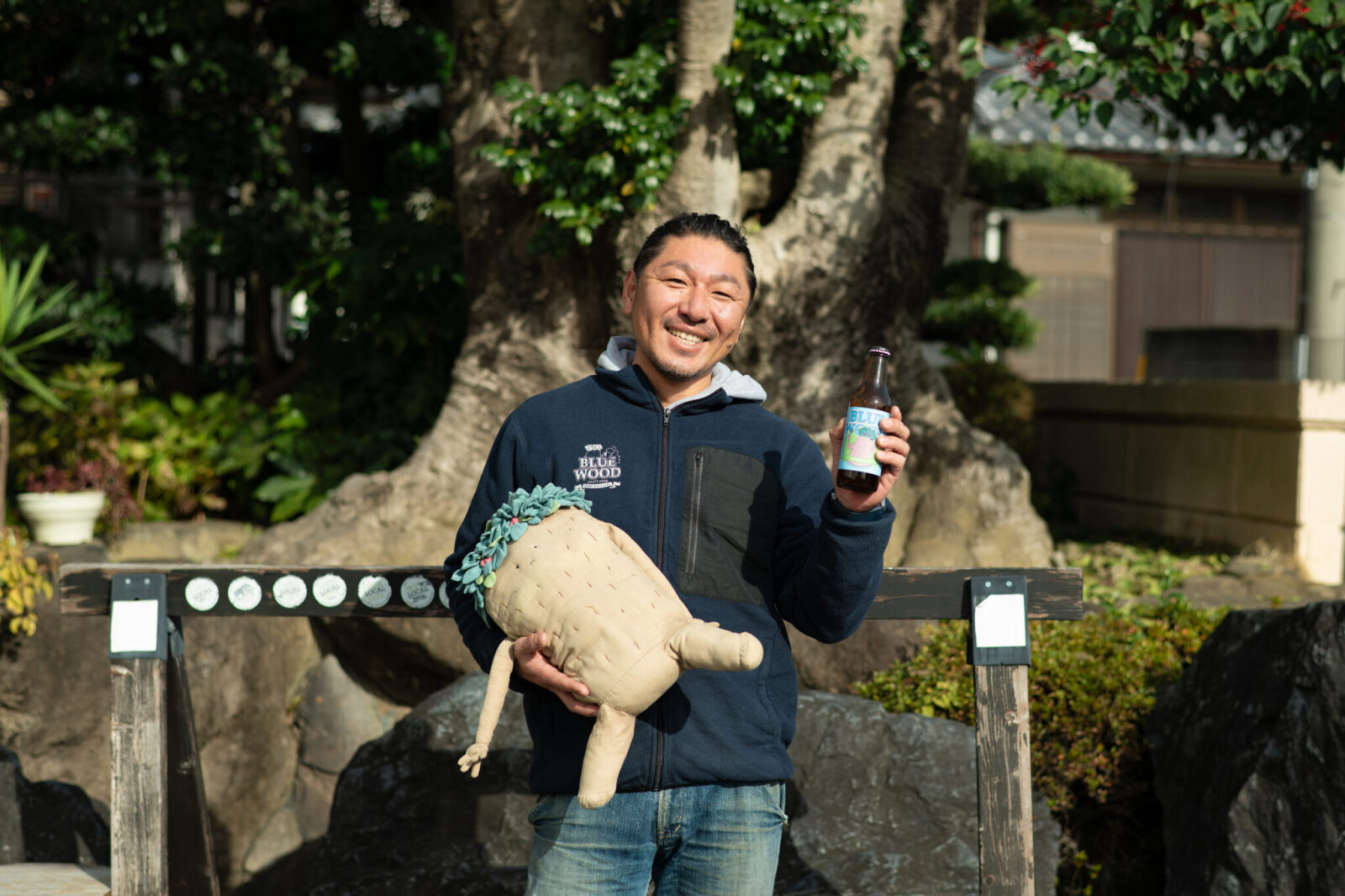
We spoke with Akira Kojima, the fourth-generation owner of this local liquor shop. Wanting to do more than just buy and sell drinks, he ventured into craft beer brewing because he thought it would be fun.
A beer lover himself, Kojima took over the family liquor shop in 2012. Craft beer was gaining popularity in many parts of Japan at the time— though it had yet to make its mark in Aritagawa Town.
Eager to learn the art of brewing, he frequently traveled to Kibi Doteshita Beer in Okayama Prefecture, where he studied the craft firsthand.
In 2017, he transformed part of the liquor shop into his own brewery. The family business had long been known as Aoki Sake—which translates to “Blue Wood Sake”—inspiring the name Bluewood Brewery.
In front of his store stands a large tree that has been a local symbol for many years. Inspired by this, Kojima created an illustrated character of the tree to feature on his beer labels. The charming illustrations, full of personality, were hand-drawn by Kojima himself.
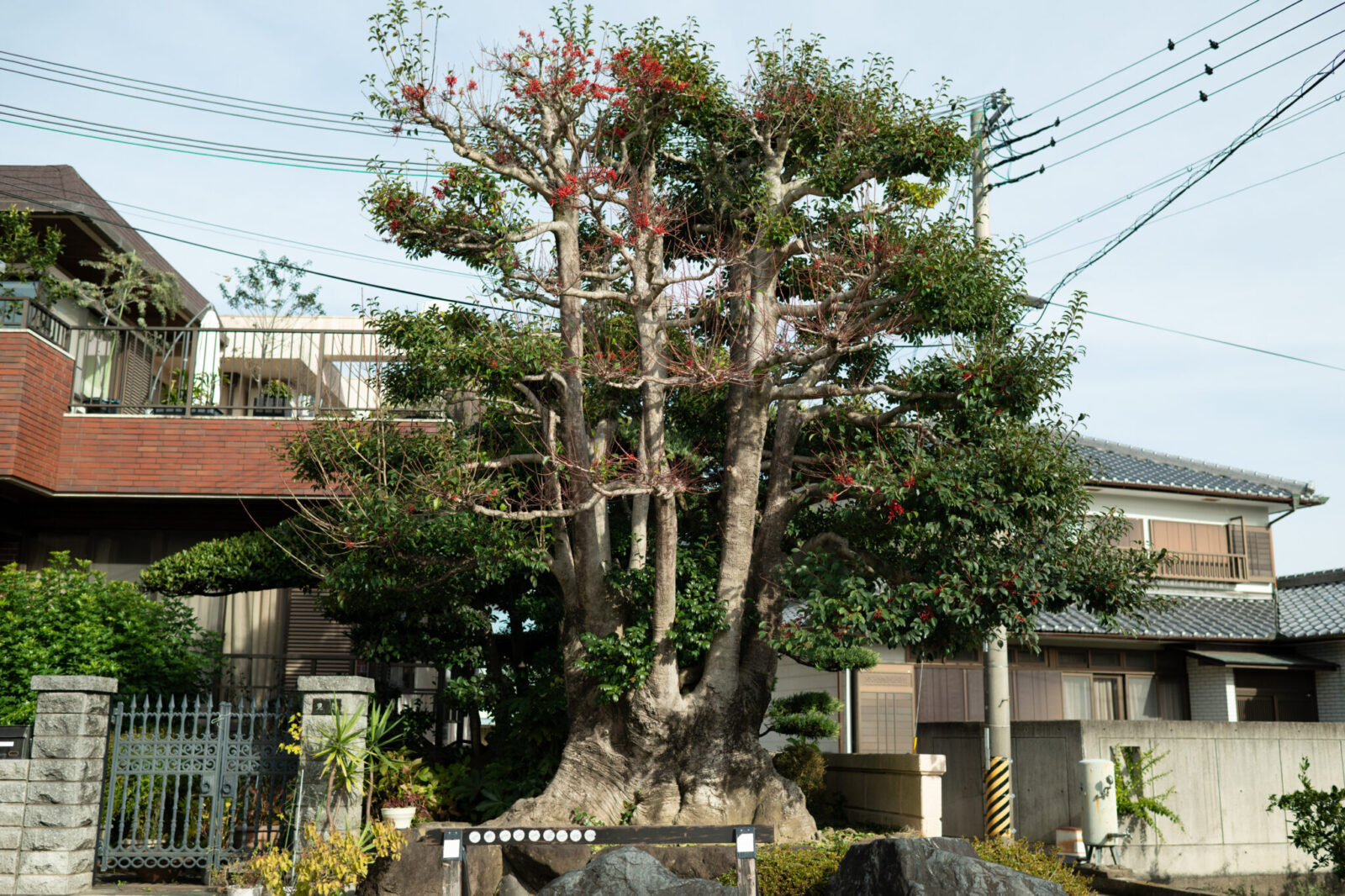
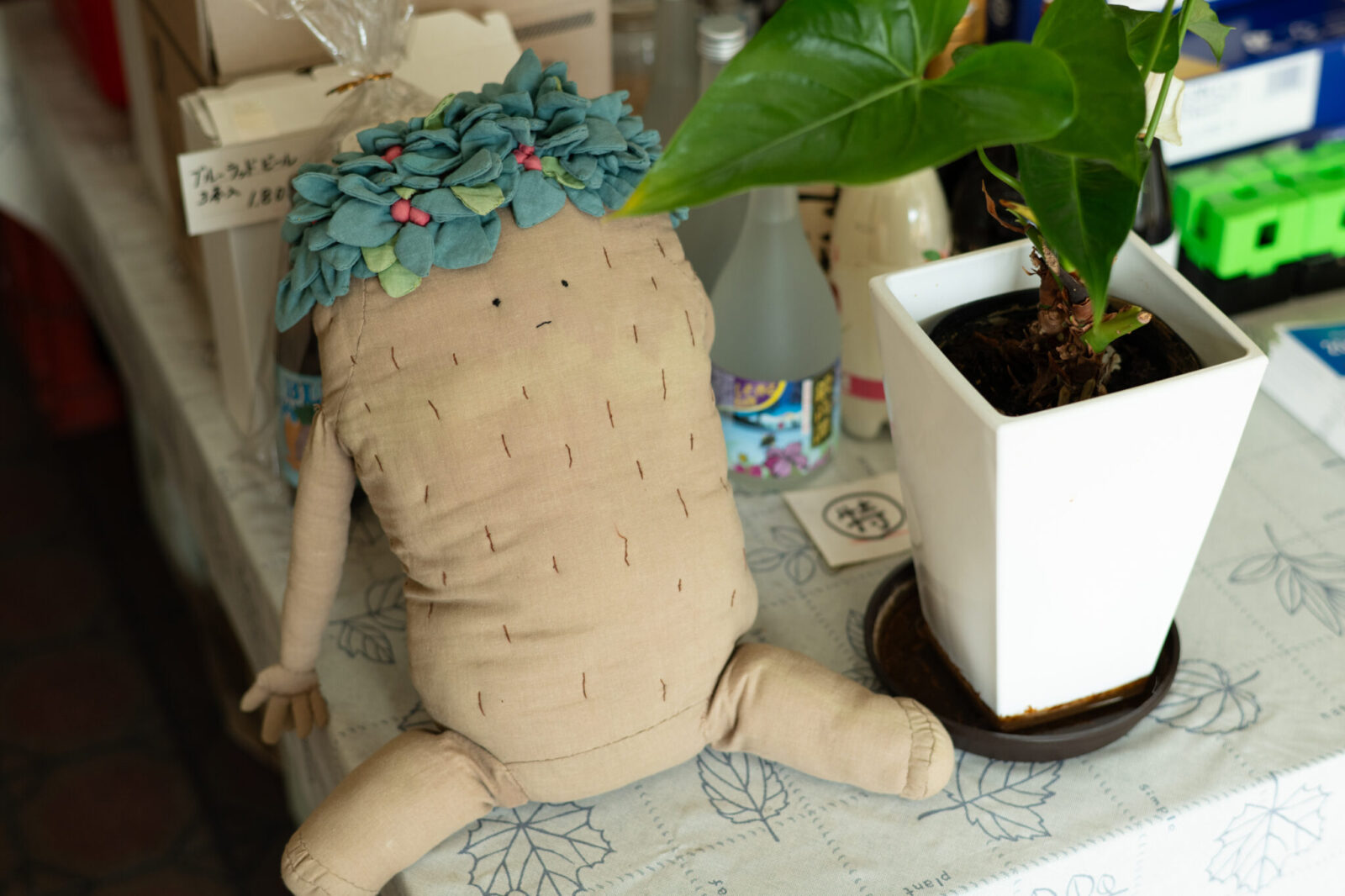
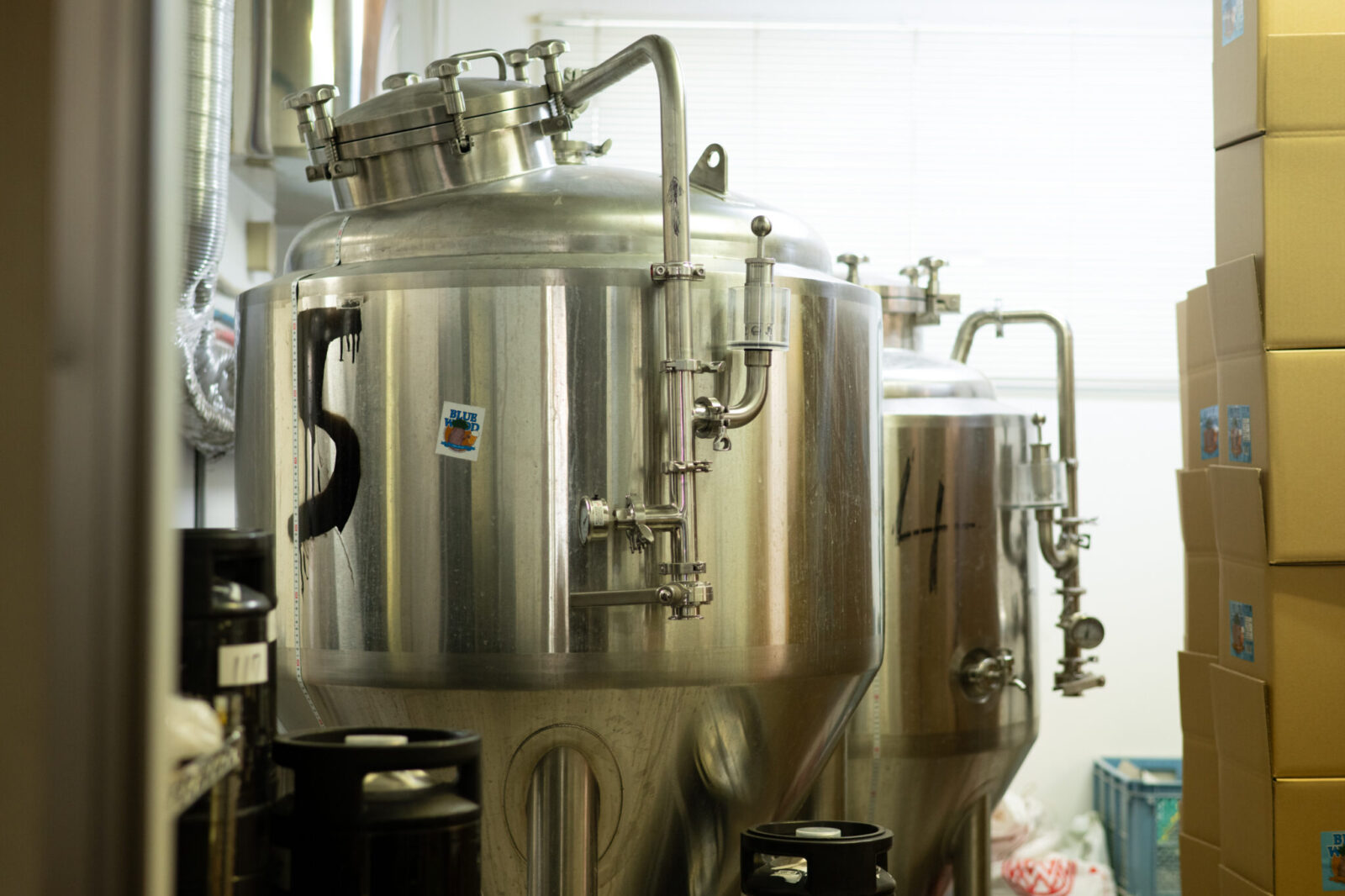
At the far end of the store, a 480-liter stainless steel beer tank is visible through a glass window.
According to the store’s website and pamphlet, their motto is: “We turned all the great things of Wakayama into beer!” True to these words, Kojima is dedicated to showcasing Wakayama’s local produce and unique charm through craft beer. As he experimented with more ingredients, the number of beer varieties he created naturally grew.
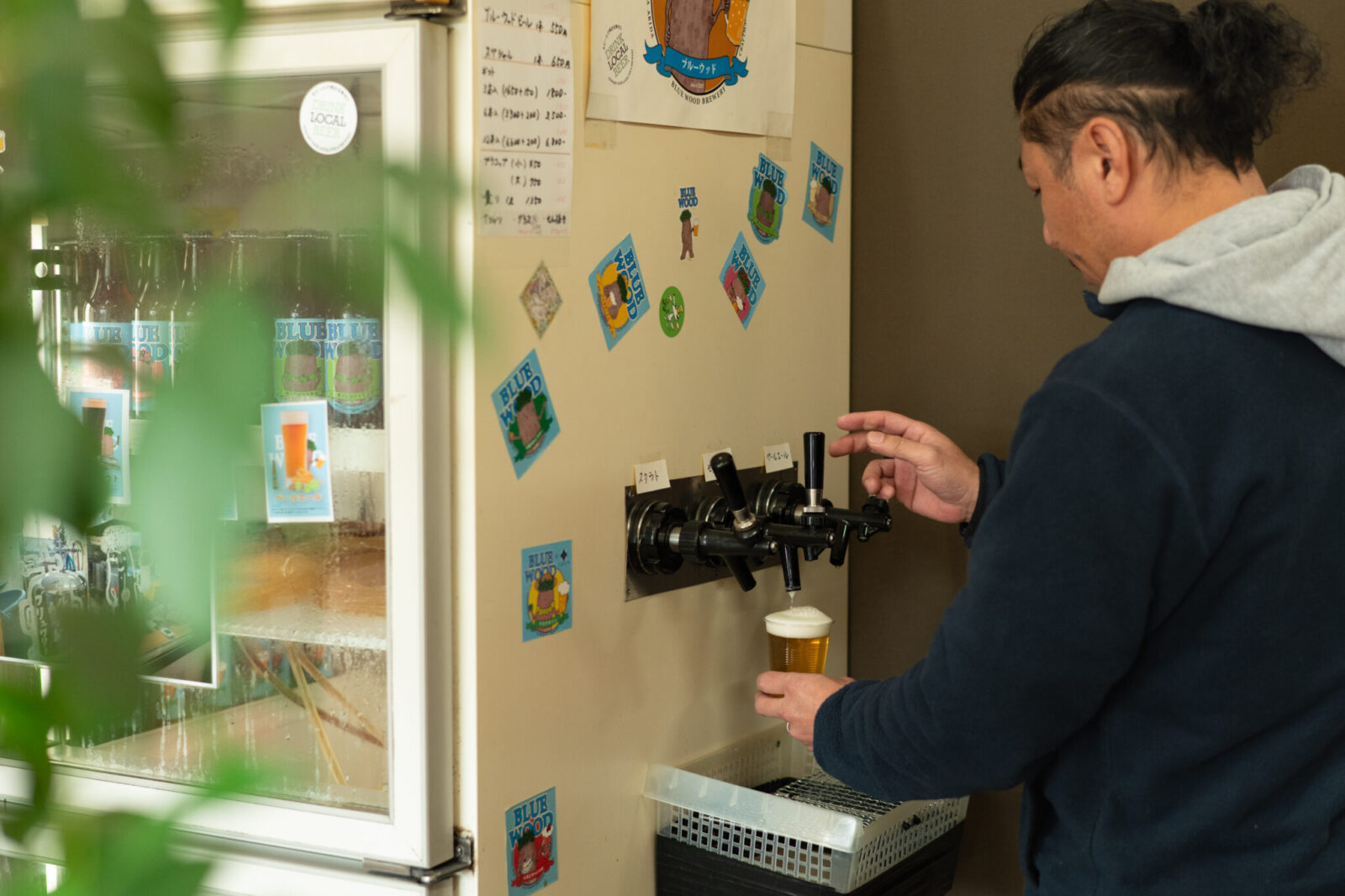
If you take a closer look at the beer labels, you’ll notice that each one features an ingredient sourced from Wakayama Prefecture, with a strong emphasis on local fruits.
Kojima has experimented with various regional products, including green mandarin oranges that are typically thinned out during the cultivation process. He transformed them into a refreshing sour beer. He also crafted a stout using binchotan charcoal (*1), which has deep historical ties to local plum production. Additionally, he creates seasonal brews, such as cherry blossom and watermelon beers.
His beers are crafted with a dedication to Wakayama’s local ingredients which he pours in his innovative methods to create unique flavors that each tell a unique story.
Intrigued by the variety, we decided to taste three beers: a pale ale infused with local citrus peels (2), a session IPA featuring hassaku peel (3), and the binchotan charcoal stout.
(*1) Stout beer: A dark color beer with a strong aroma that uses dark malt as part of its ingredients
(*2) Pale Ale: A traditional English beer with a golden to copper color
(*3) IPA: India Pale Ale is a type of Pale Ale that uses a larger volume of hops, has a higher alcohol content and features a stronger aroma and bitterness compared to regular Pale Ale
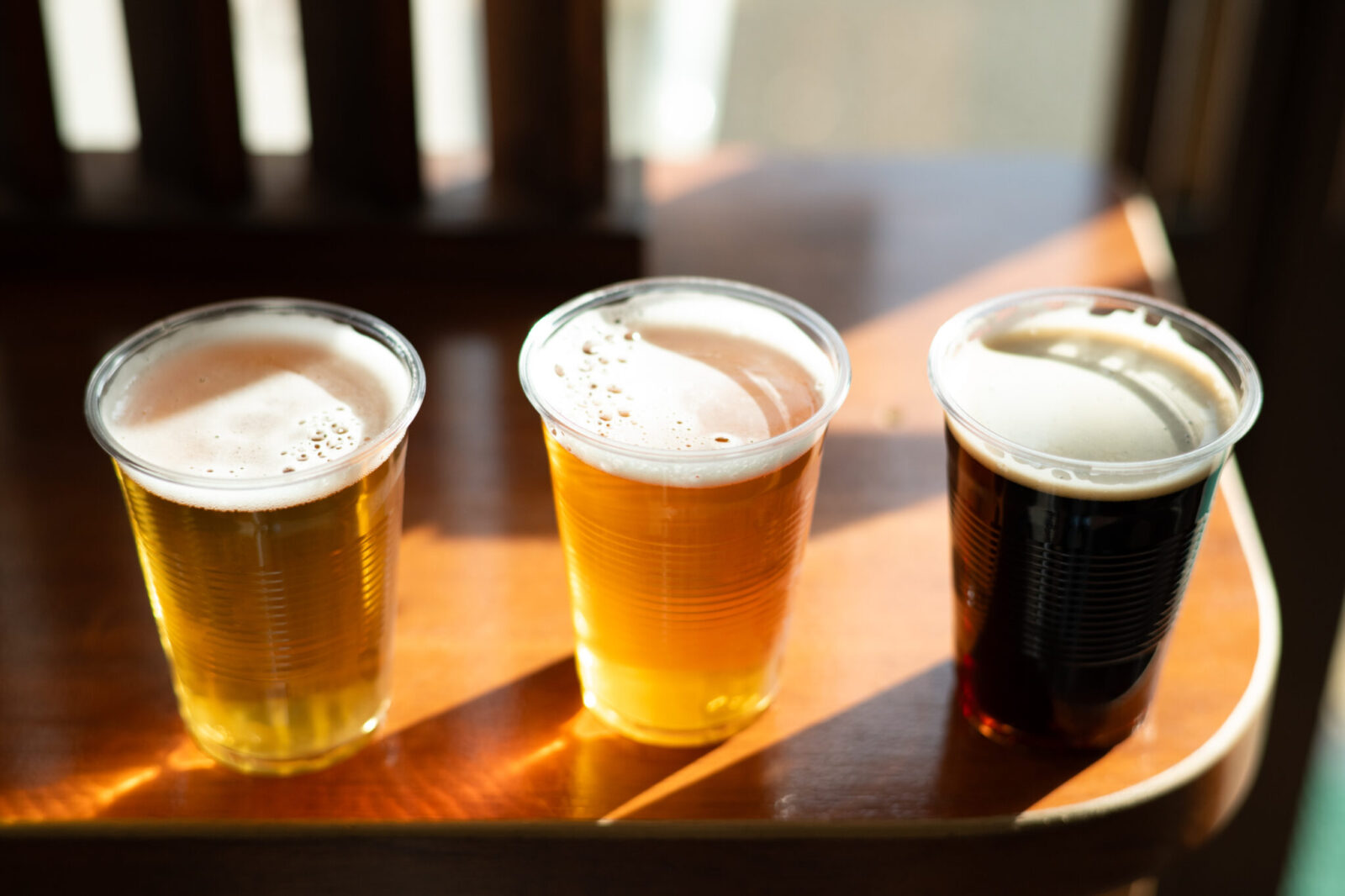
Each beer was delicious and demonstrated the characteristics of the local land and ingredients. The Arita Sansho Ale, which we bought and tasted on a later date, had a refreshing spiciness that was very impressive.
A bag full of souvenirs from Wakayama
As we left, feeling warm and a little tipsy from the beer, Kojima handed us a large bag of mandarin oranges to take home.
During harvest season, it seems to be common for people to share their mandarin oranges like this. A bar owner in Tanabe City had told us that mandarins are a great tool for communication.
We tasted one orange in the car drive home. It was shockingly delicious, sweet with a beautiful sourness to it.
It was a perfect reminder of the richness of Wakayama’s land and the memorable experiences we had there.
Translation: Sophia Swanson
Advisor to corporations, and local governments on promoting local tourism. Published work includes, “Aomori & Hakodate Travel Book” (Daimond), “San’in Travel: Craft and Food Tour” (Mynavi), “A Drunkard’s Travel Guide: Sake, Snacks, and Tableware Tour” (Mynavi). Her life work is to explore towns in her travels, drink at different shops and visit the workshops of different crafts. Interests include tea, the Jomon period, architecture, and fermented foods.
Editor. Born and raised in Kagoshima, the birthplace of Japanese tea. Worked for Impress, Inc. and Huffington Post Japan and has been involved in the launch and management of media after becoming independent. Does editing, writing, and content planning/production.