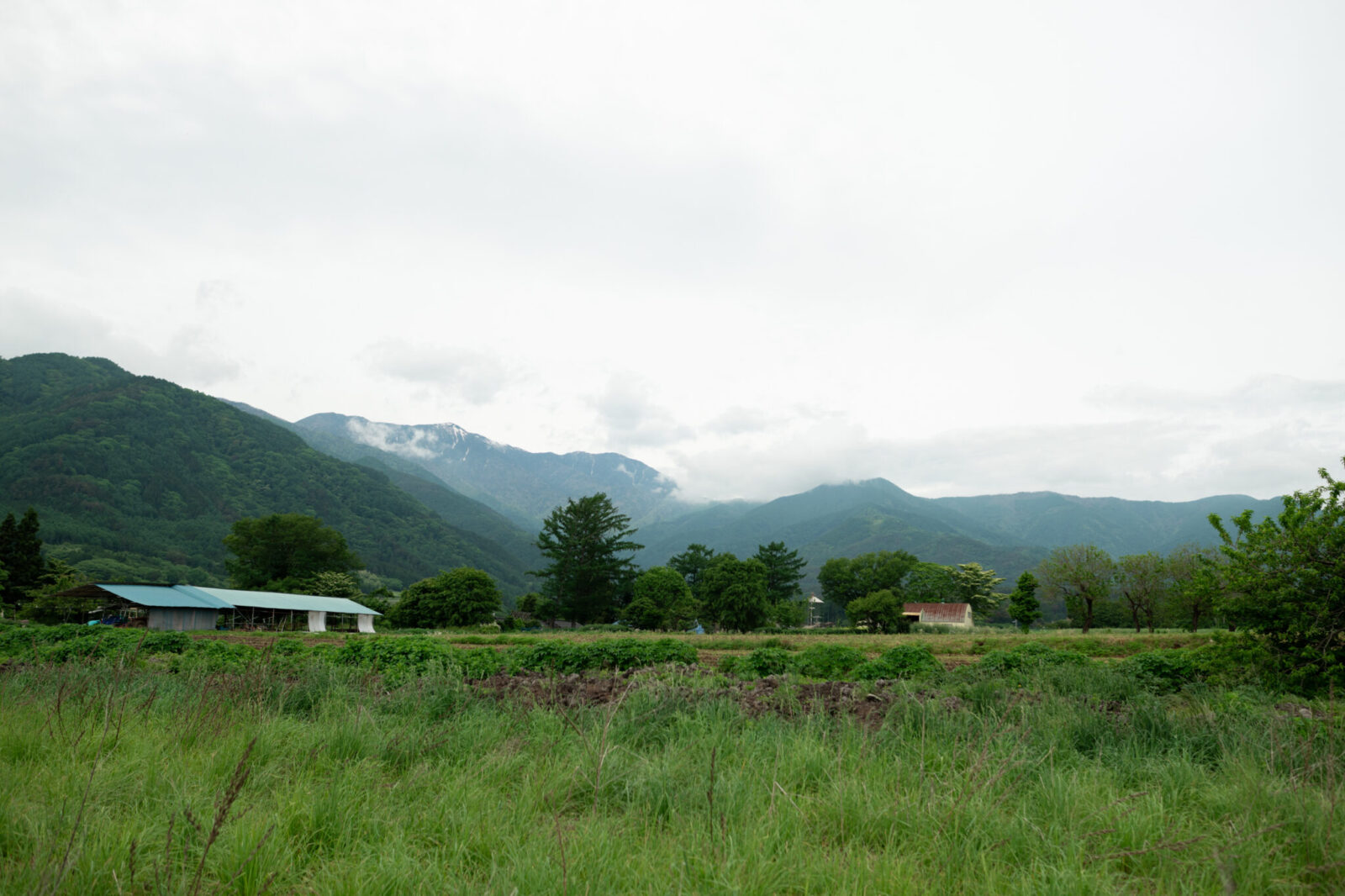
Ina City in Nagano Prefecture lies between the Akaishi Mountains (Southern Alps) and the Kiso Mountains (Central Alps). Surrounded by towering peaks and vast forests, the region is rich in natural beauty.
For the people who live here, the mountains and forests are relatively integrated into daily life, and Ina City actively promotes activities that highlight coexistence between people and nature. Yet, as life grows increasingly modern and urbanized, the presence of forests seems to be fading from people’s awareness.
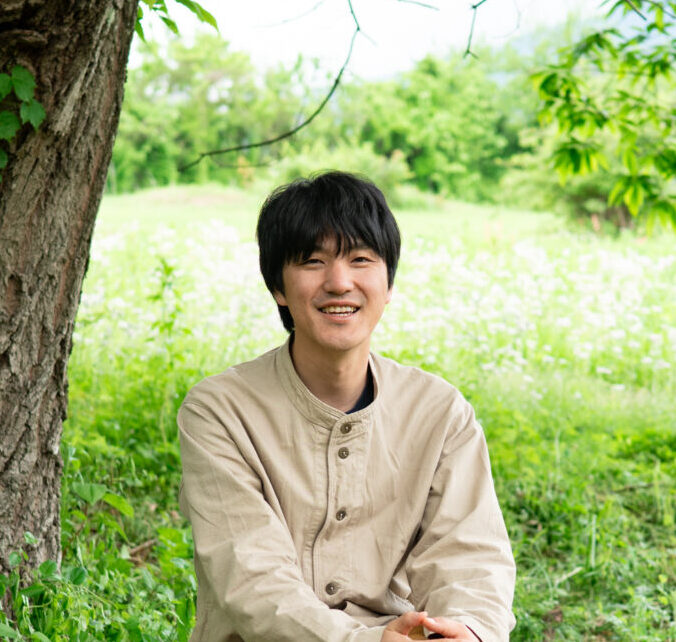
Yuji Okuda, Forest Director of Yamatowa Co., Ltd., works to counter this trend. Guided by the company’s mission, “Create Forests, Create Life”, he leads a variety of projects and initiatives centered around forests.
As part of our “Drink the River and Mountain” series, DIG THE TEA visited Okuda this May, when the forests were lush with fresh green growth, to learn about Yamatowa’s work and explore how we might better coexist with forests in the future.
A chair made from local materials that blends with the forest
Yamatowa Co., Ltd., based in Ina City, Nagano Prefecture, is dedicated to bringing nature back into people’s lives. Its work spans across a wide range of fields, including agriculture and forestry, woodworking, housing and design, regional planning, and education.
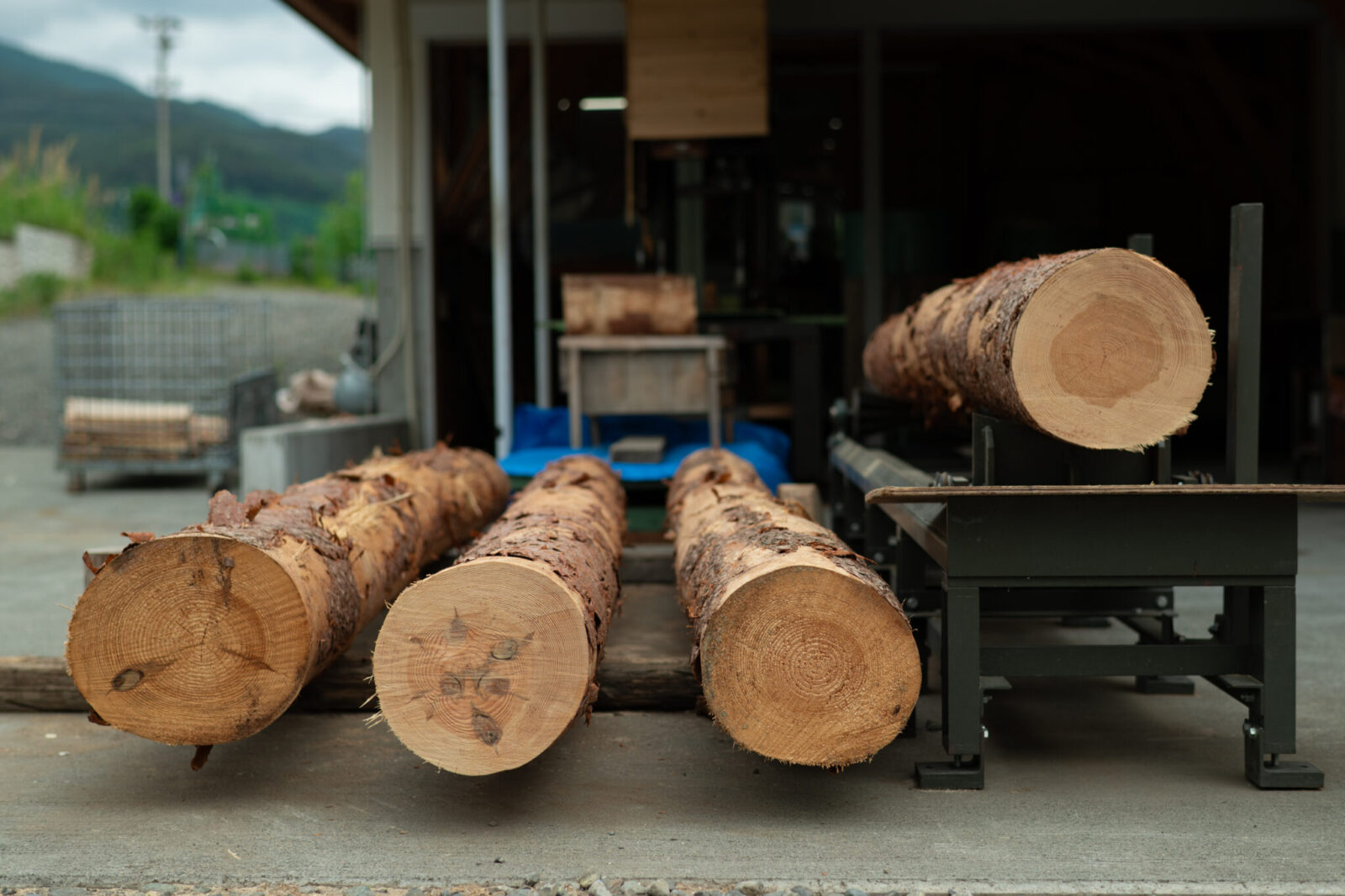
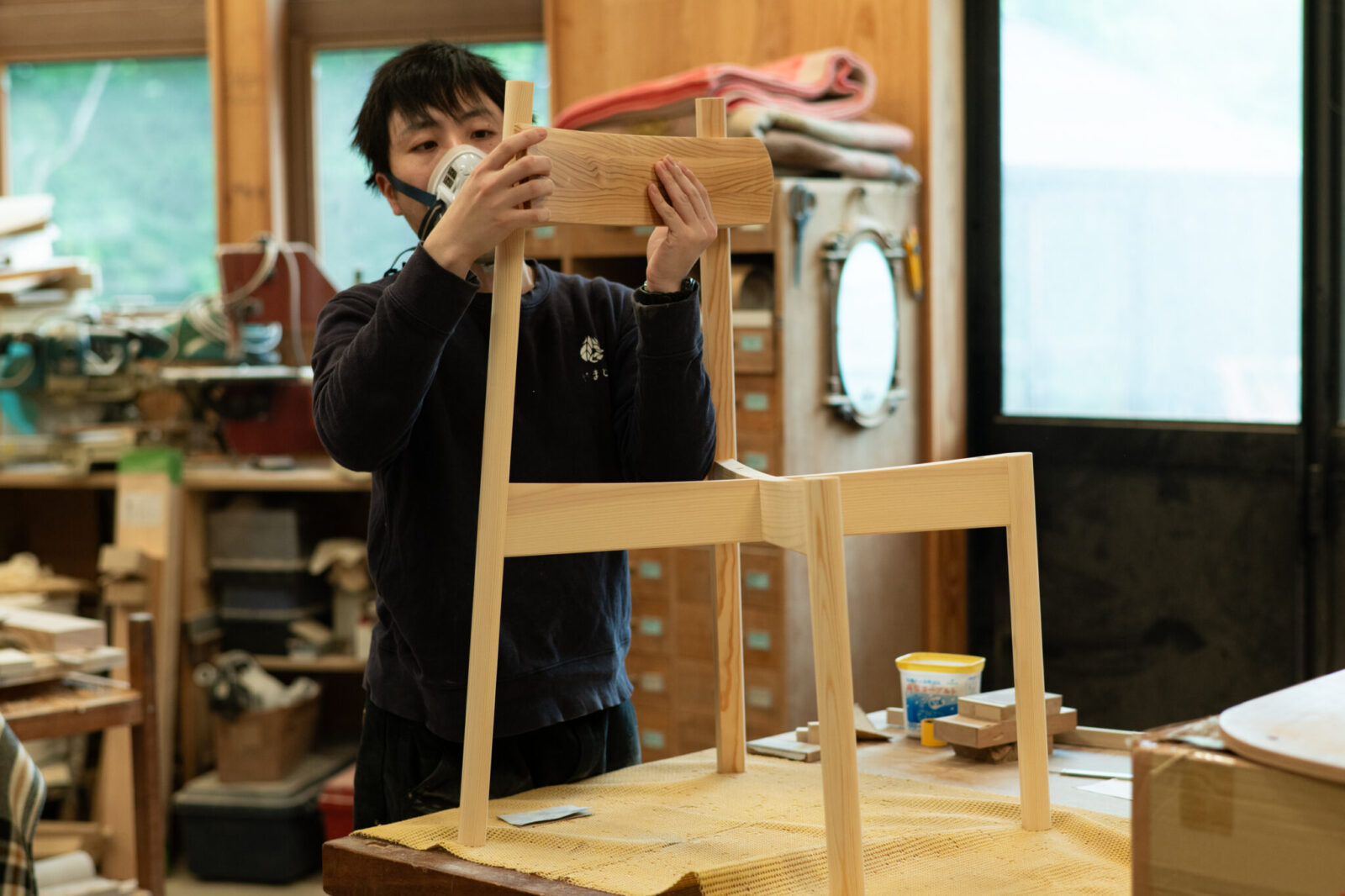
The company’s original projects, such as handcrafted wooden furniture, are created using materials sourced locally from the forests surrounding Ina City.
Okuda began the conversation with a simple invitation: “Let’s talk about the forests first.”
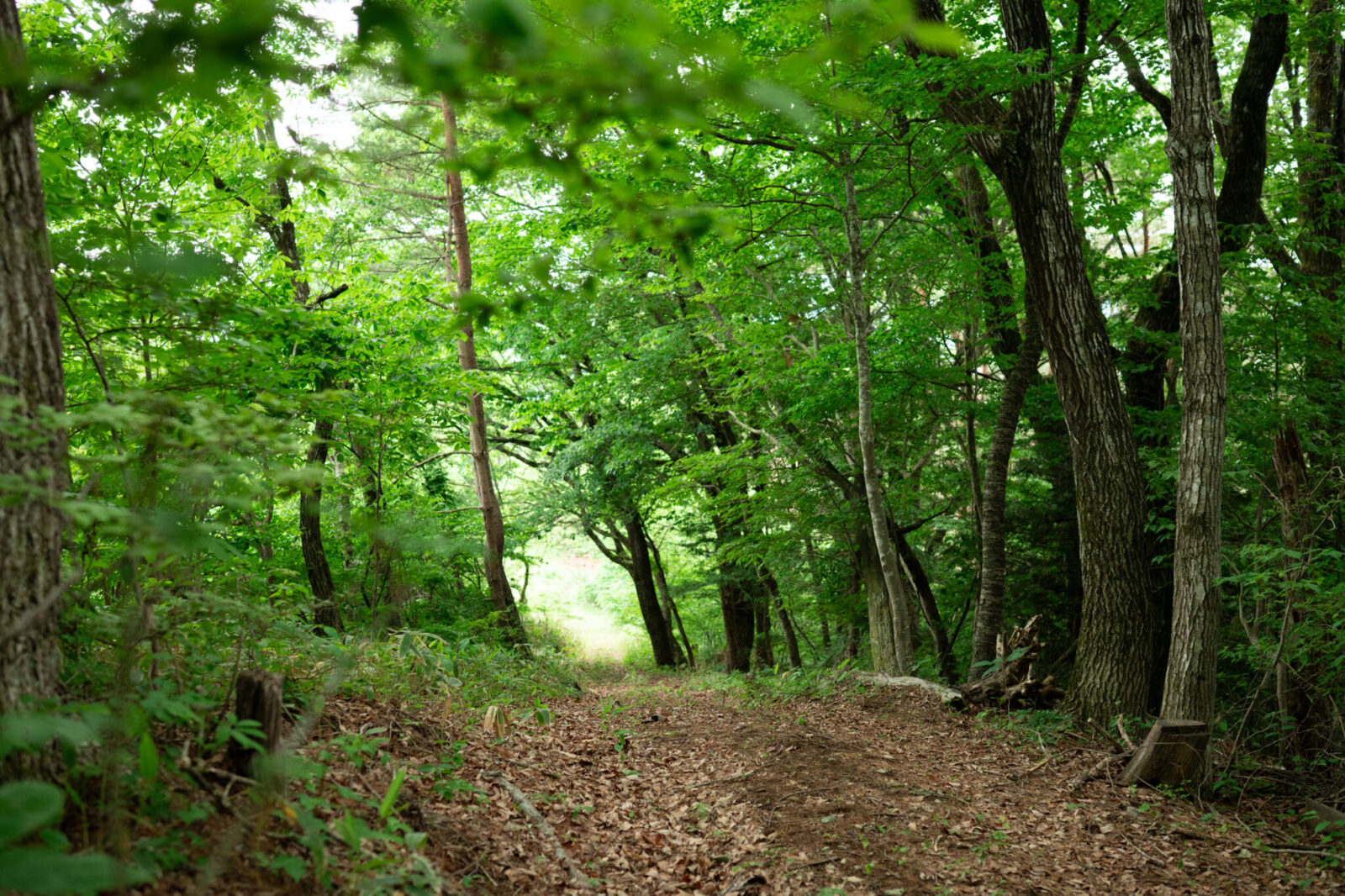
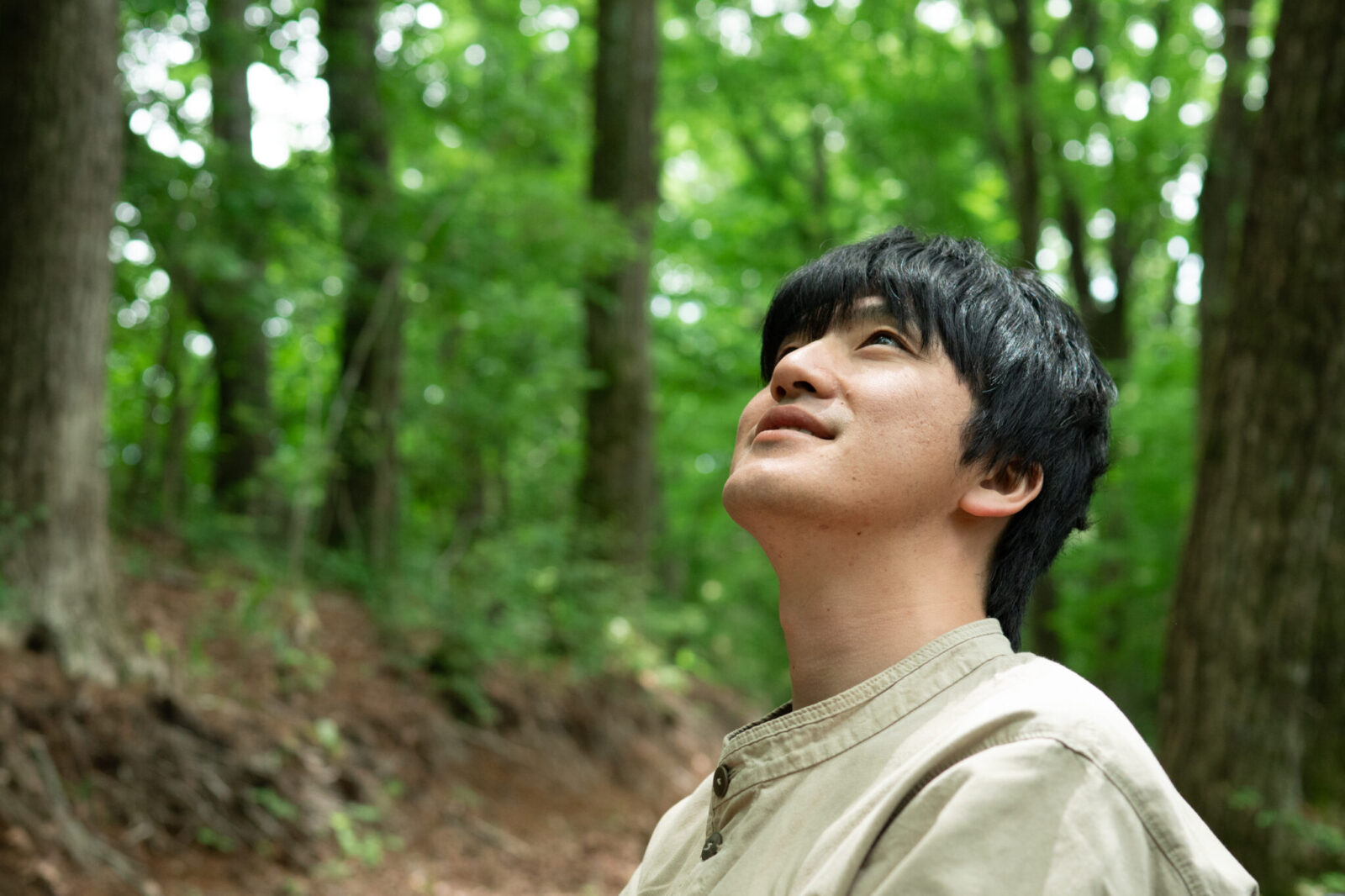
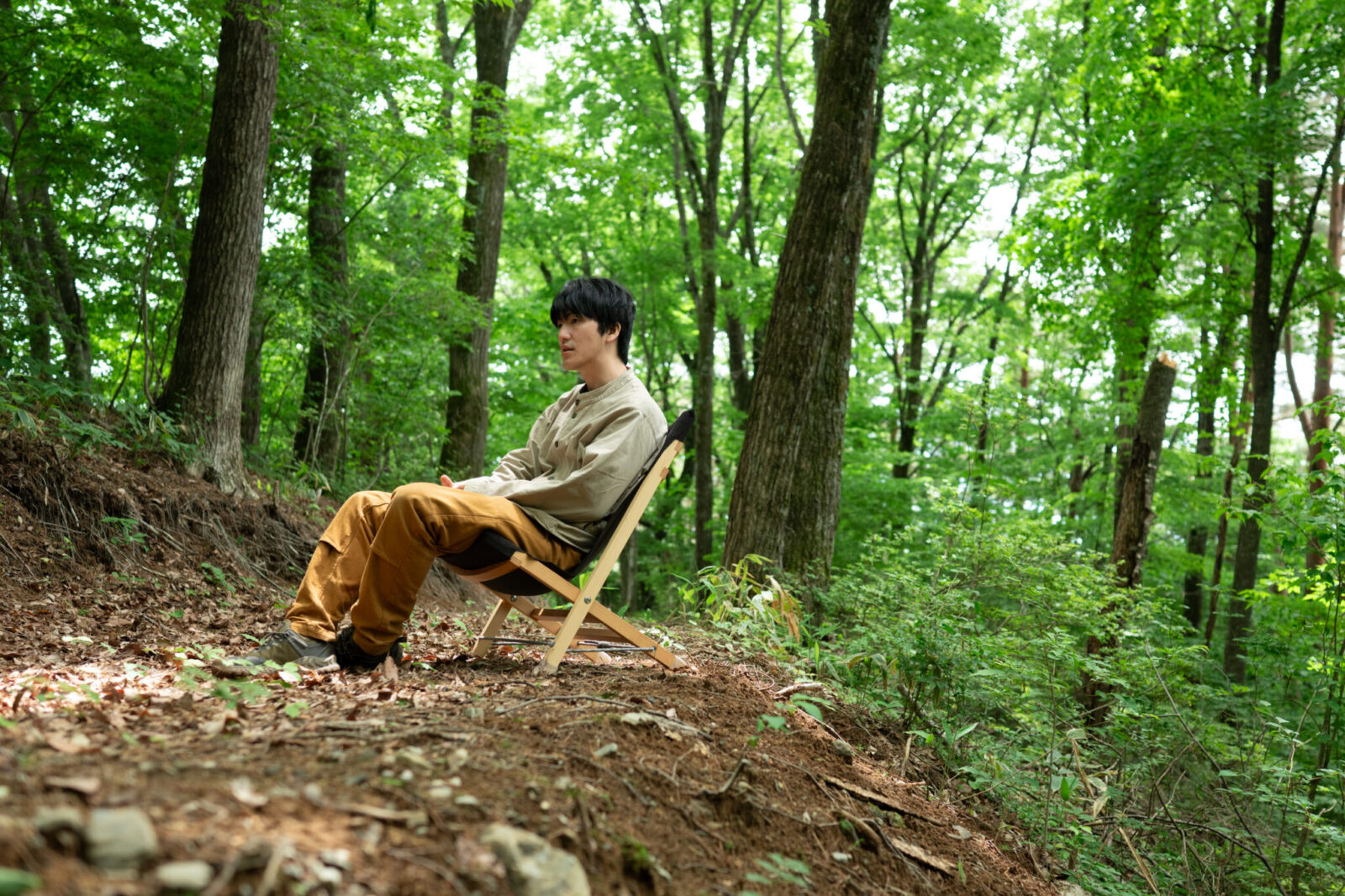
Carrying a wooden folding chair, he stepped into the woods. There was something almost childlike about the way he moved, like a boy out of a picture book, pausing to introduce each tree individually.
“The red pines are part of the natural forest here,” he explained. “They grow tall with uneven foliage, allowing light to reach the ground so other plants can thrive. The cypress trees, on the other hand, were planted by people. But because this area hasn’t been properly managed or thinned, very little grows beneath them. Over here are Japanese chestnut and oak trees. They were once used for firewood and charcoal, but as that lifestyle has faded away, these trees have been left unmanaged. In this forest, you can see three different types of landscapes side by side: natural forest, managed forest, and fuelwood forest. It’s interesting to notice the differences between them.”
We came to a small clearing in the forest and set our chairs there. Though the temperature that day felt like early summer, a cool breeze drifted through the trees, and the shade made the air feel refreshing.
The wooden chairs Okuda had brought were one of Yamatowa’s brand products, pioneer plants. They are designed around the Danish concept of hygge, a word that describes a relaxed, comfortable time spent in simple surroundings.
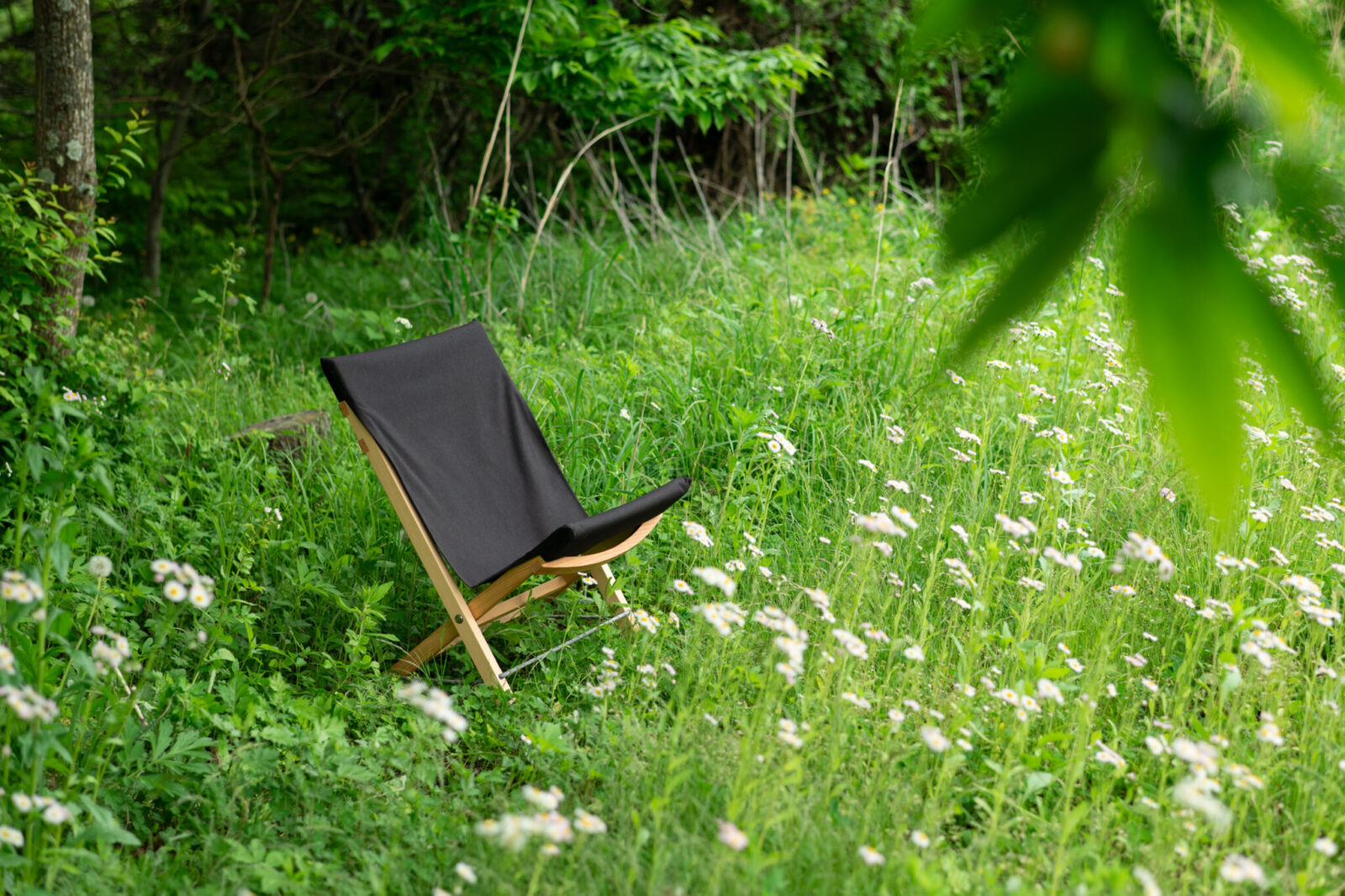
The chair is crafted from locally sourced wood, including red pine, chestnut, and walnut. Its design offers a natural, body-hugging comfort that makes it hard to rise once seated. The gently sloping backrest invites both body and mind to relax, while the simple form and natural texture of the wood create a sense of harmony with the surrounding forest.
How wonderful it would be to sit in this chair in nature and spend a leisurely day reading a book and relaxing.

Drawn to forests after facing the threats against nature
Okuda is originally from Iga in Mie Prefecture, a region famously known as the city of ninjas. Growing up surrounded by rich natural landscapes, he says he has always felt a deep closeness to nature.
“I loved the river and spent much of my childhood playing in it. Some of my happiest memories are there, but it was also where I first experienced how dangerous nature can be. I was once swept away by a current and nearly drowned, and my feet were often cut by sharp stones. I loved nature, but I also knew it could be harsh and unforgiving. From an early age, I carried a deep sense of awe and respect for it.”
Later, when he encountered a sick raccoon in his neighborhood and learned it had likely been poisoned by pesticides, he felt a vague but heavy sense of dread.
He began to realize that when human behavior toward nature becomes too selfish, the consequences can be severe.
From that time, he found himself wondering how humans and nature might coexist and thrive together. Looking back, Okuda says that perhaps it was because he was still a child that these thoughts struck him so strongly, and that he could feel them with such raw honesty.
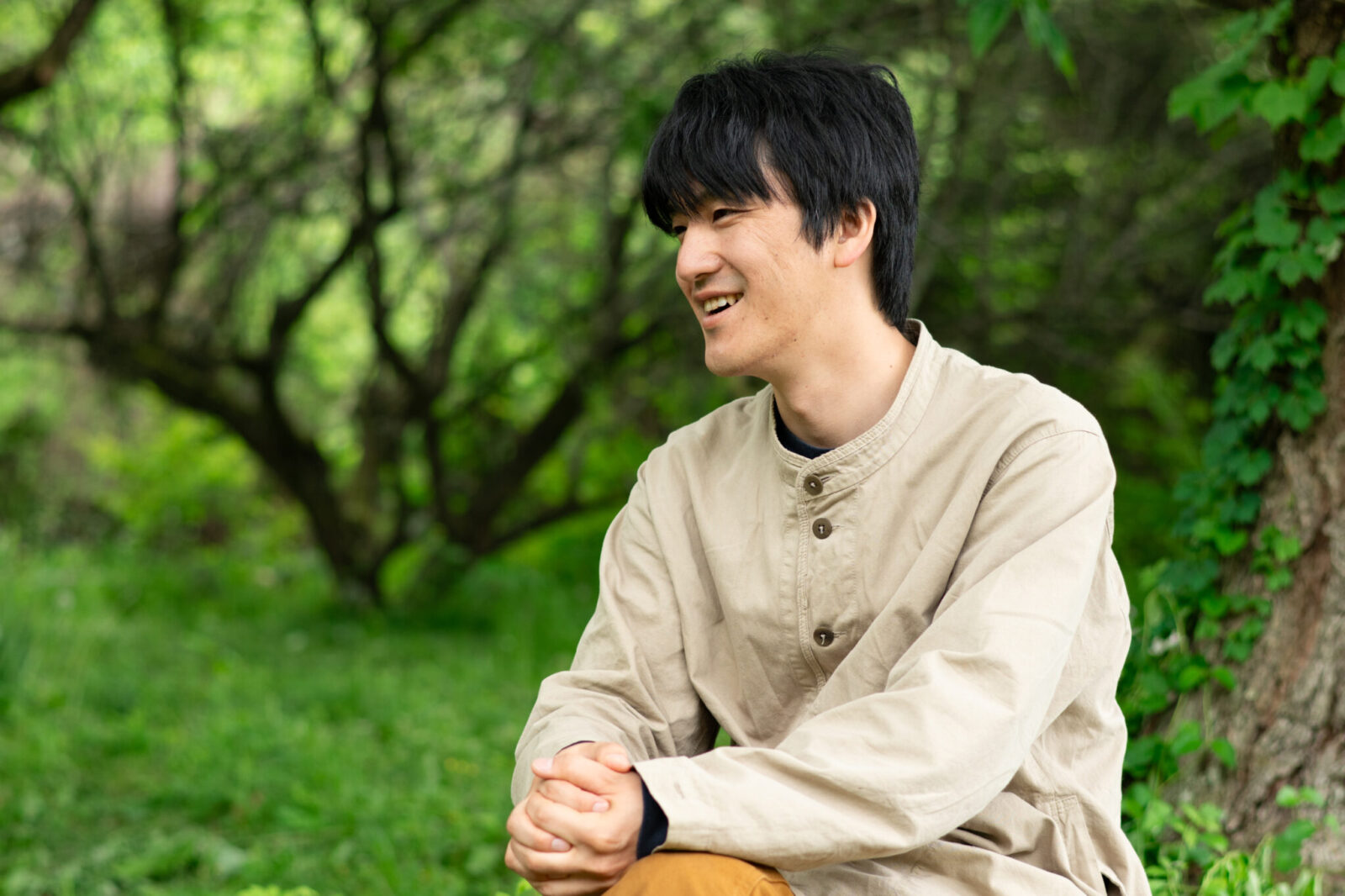
Okuda went on to study at Shinshu University in Matsumoto City, Nagano. Drawn to natural landscapes, he had long dreamed of living in snow country, close to the mountains blanketed in winter snow.
“I’ve loved snowboarding since I was a kid, so at first, I simply wanted to snowboard. But when I arrived in Nagano, I was overwhelmed by the sheer scale of the snow-covered mountains. It was unlike anything I had ever seen before.”
“At first I couldn’t believe my eyes. The scenery was nothing like what I knew in Mie. To me, the snowy mountains are one of Japan’s national treasures. Even now, I never tire of that view.”
At university, Okuda turned his attention to researching tree rings. Immersed in forests and fieldwork, he found that a life of study and exploration in nature suited him.
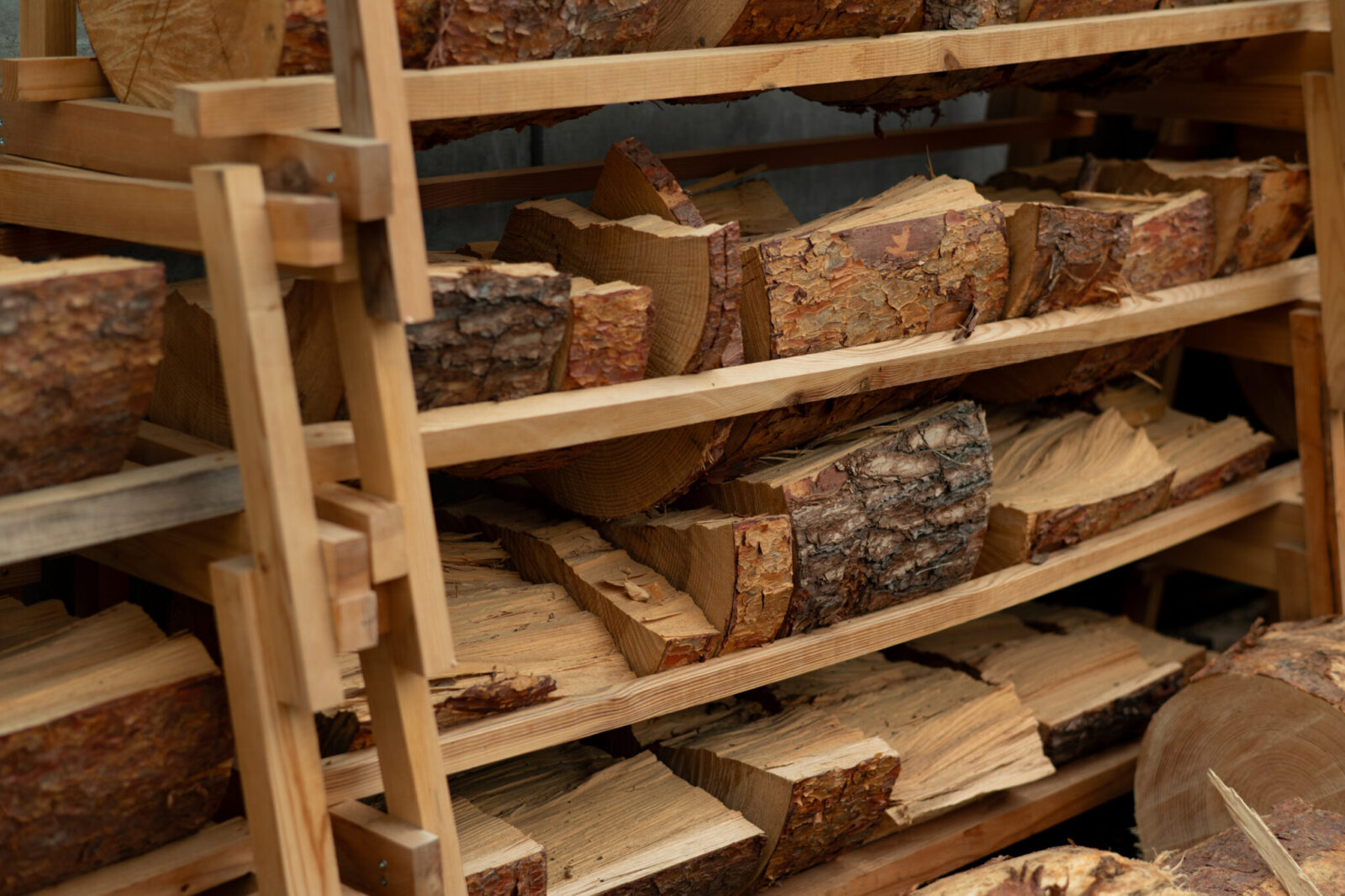
Later, Okuda took a leave from university to travel around the world. Inspired by the essays of writer Momoko Sakura, he set out for Europe, but it was the natural landscapes that truly captured his heart. The towering mountains of Switzerland and the vast ranges of South America left him in awe.
“Even when I visited cities abroad, they all felt similar and didn’t excite me much,” he recalls. “But rural communities were different. Each had its own way of coexisting with nature, with industries and lifestyles shaped by the local climate and environment. I was fascinated by this diversity.”
His travels in India were equally eye-opening. He joined a program focused on developing farmland and supporting local economies, helping to till the soil with cow manure as compost. Through this hands-on experience, he learned the importance of building sustainable, circular systems.
Okuda was also struck by the warmth and kindness of the rural people he met. He admits it challenged and humbled him, forcing him to confront his earlier prejudice that Indian people might try to deceive him.
A desire to work in the forest but struggling to find a job
Okuda could never imagine himself working in Tokyo, so searching for a city job was never an option. After graduating, he wanted to work closely with forests and nature, but finding a position that matched his vision proved difficult.
During his university years, he had learned that the forestry industry faced many challenges, yet he was unsure which path would allow him to contribute meaningfully to addressing them.
Rather than taking a conventional corporate job, Okuda chose a broader approach. He worked as a writer, editor, designer, and photographer and took on any project that allowed him to engage with forests. He saw value in documenting and reporting on the current state of forests across multiple platforms, believing that sharing these stories could make a difference.
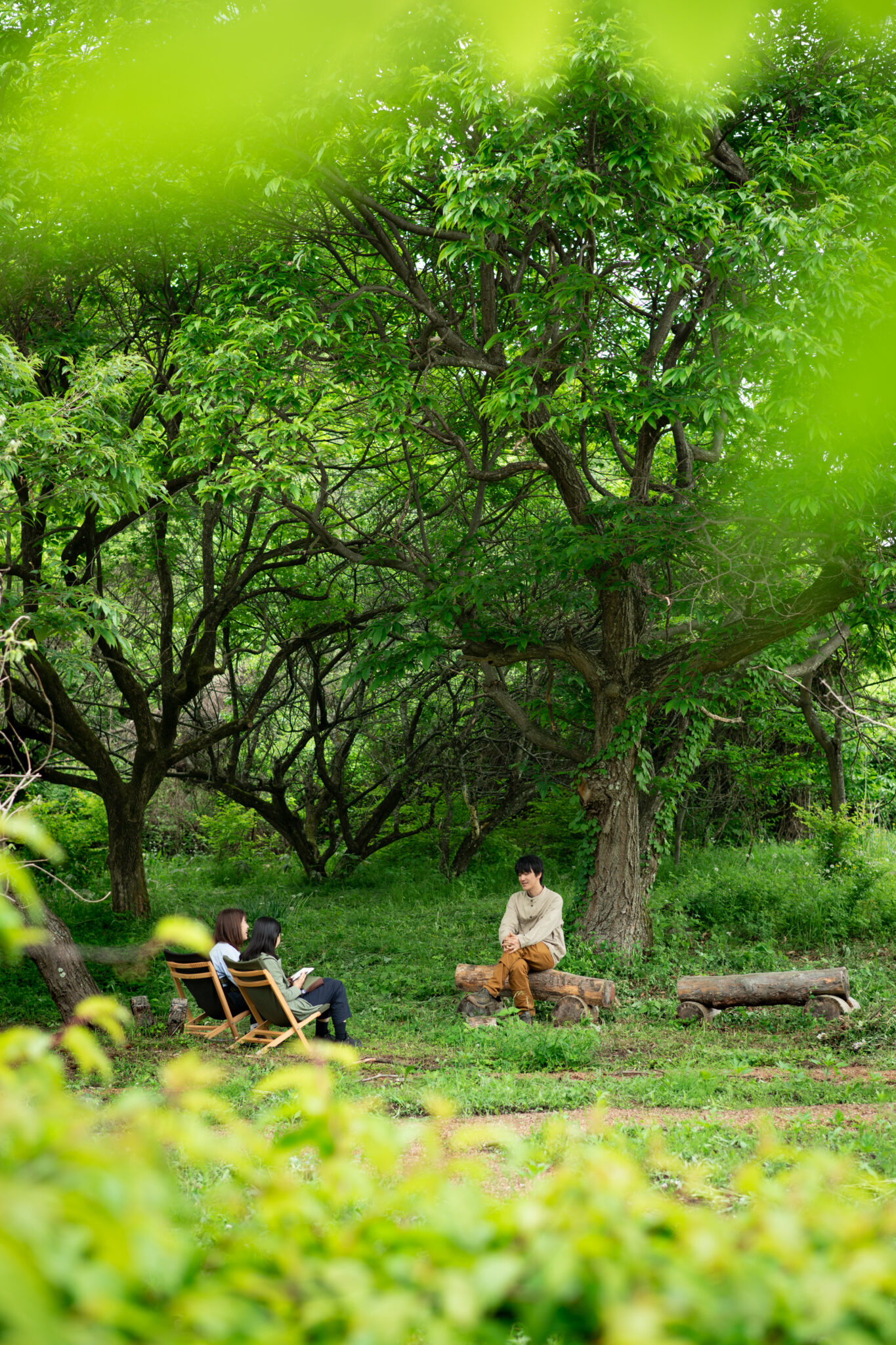
“I worked for Shinshu University’s public relations magazine, covering complex research conducted by university professors. I had to study intensively to keep up, and the experience pushed me to grow. It allowed me to explore topics much more deeply than attending any lecture could, and speaking directly with the professors was incredibly valuable.”
Okuda also interviewed farmers and forestry workers across various regions. Many spoke of deteriorating forests, shrinking populations, and an uncertain future. The harsh realities they described were often difficult to hear.
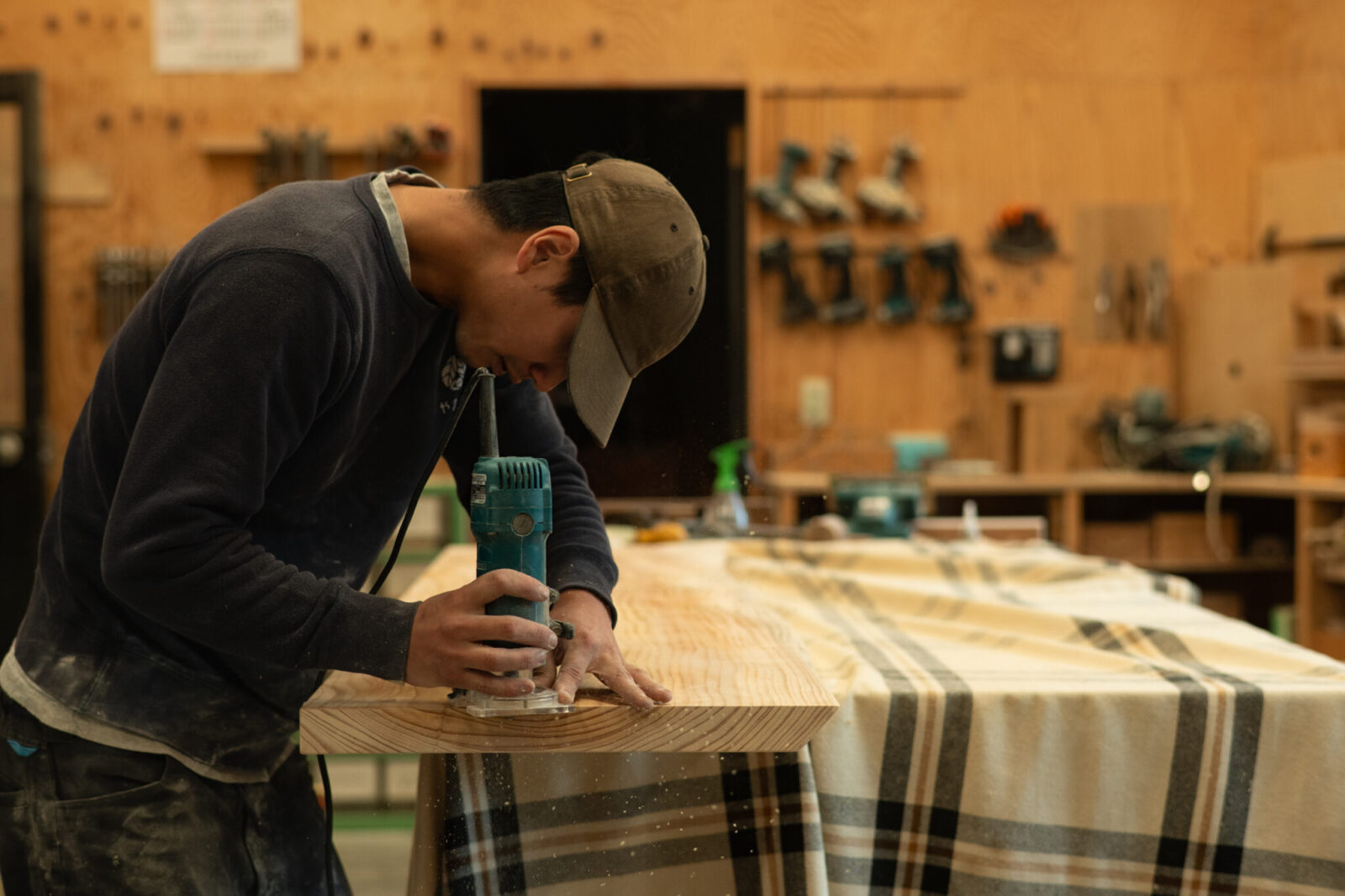
It was during this period that Okuda met Hiroshi Nakamura, the current representative of Yamatowa, at an event, and the two quickly became friends.
Nakamura was dedicated to creating furniture from local materials as a way to give back to the community and foster hope for the region’s future. At the time, he was struggling to promote his work when he happened to meet Okuda.
The connection was instant. As they shared their visions for the coming decade, they discovered a mutual sense of urgency about the state of Japan’s forests. Their desire to engage deeply with this issue aligned perfectly.
With forests and sustainable living as their common focus, it was a natural step to collaborate. In 2016, they co-founded Yamatowa Co., Ltd.
The collapse of the forest’s ecosystem due to human indifference and the increased risk of natural disasters
Yamatowa’s mission is “Create Forests, Create Life.” The company strives to foster a society where humans and forests thrive together. By reconnecting people with forests and restoring lush, healthy woodlands, they believe that human life can also be enriched.
Yamatowa’s work spans a wide range of fields, but can broadly be divided into four divisions.
The agriculture and forestry division connects everyday life with farming and forestry practices that aim to create a more sustainable society. The woodworking division produces furniture and other goods from locally sourced timber. The lifestyle division explores region-specific approaches to sustainable living, while the forest division examines forests from multiple perspectives to bring them closer to daily life.
According to Okuda, there is no single “main” division and each is equally important.
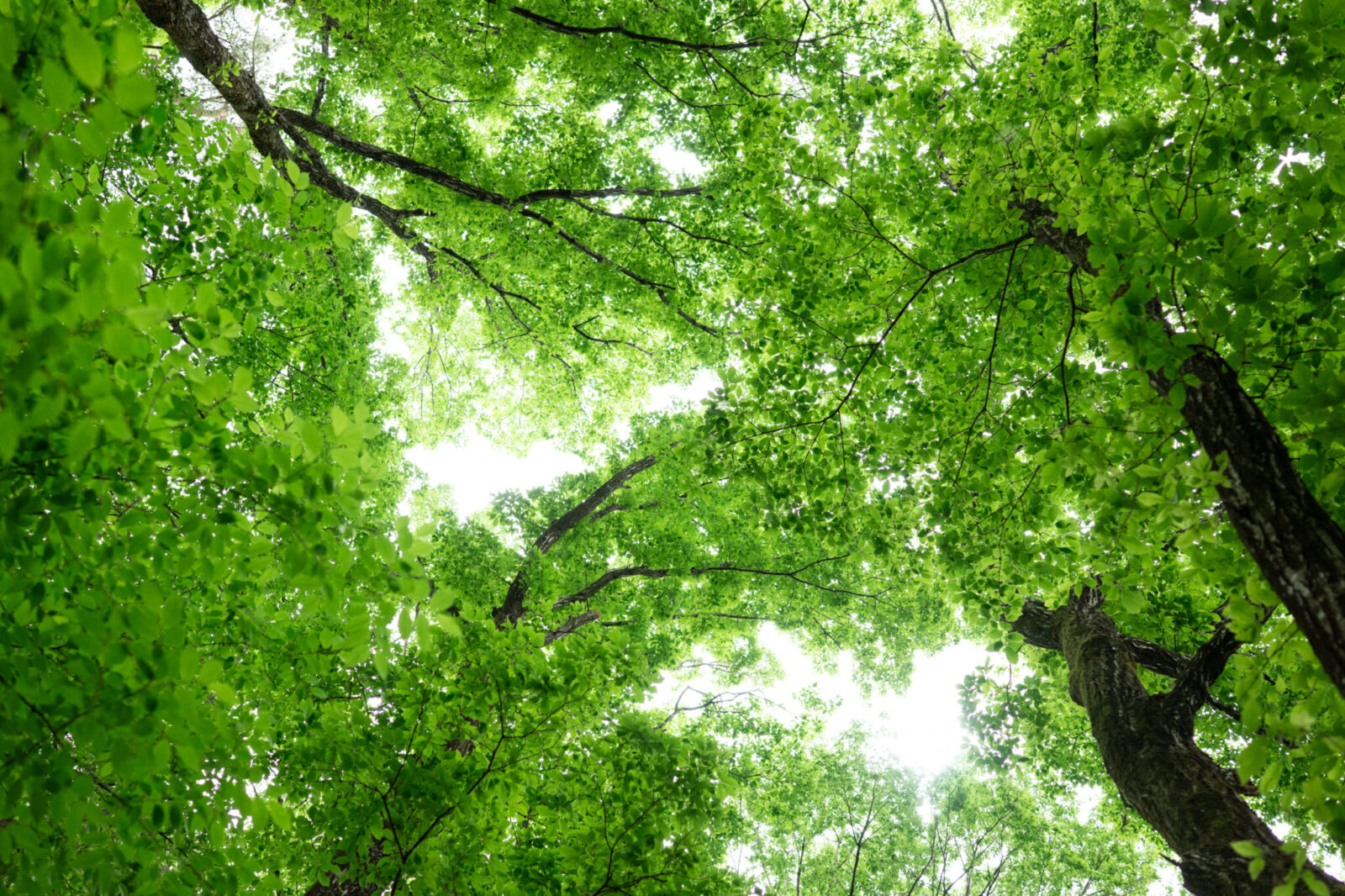
Okuda believes that many of the challenges facing Japan’s forests today stem from the growing disconnect between humans and nature. Forests and people are inherently linked. Forests purify water, which flows into rivers and eventually back to the ocean, enriching ecosystems along the way.
We all understand that forests and oceans form the foundation of our ecosystem; without forests there would be no rivers or water, and the world would become a desert.
“The history of modern forests in Japan began after World War II,” Okuda explains. “The land had been left barren by the war, people were scarce, and jobs were few. To address this, the government subsidized tree planting to create employment, but there was no long-term plan. Looking back, it’s puzzling why trees were planted on dangerously steep slopes, but at the time it was considered necessary for people’s livelihoods.”
“As circumstances changed and cheaper wood began to be imported, Japan’s forestry industry declined. The overplanted forests were neglected as populations fell and communities aged. Neglected forests weaken and, in some cases, become causes of natural disasters.”
“Forests planted without regard to the mountain landscape have grown so dense that sunlight no longer reaches the undergrowth, preventing other plants from thriving and leaving animals without food. When the ecosystem collapses, it also threatens human settlements. Tree roots weaken and soil is exposed, reducing the forests’ ability to retain rainwater and leading to landslides.”
Okuda emphasizes that these problems arise because we have neglected the forests, and human life has increasingly lost its connection to them.
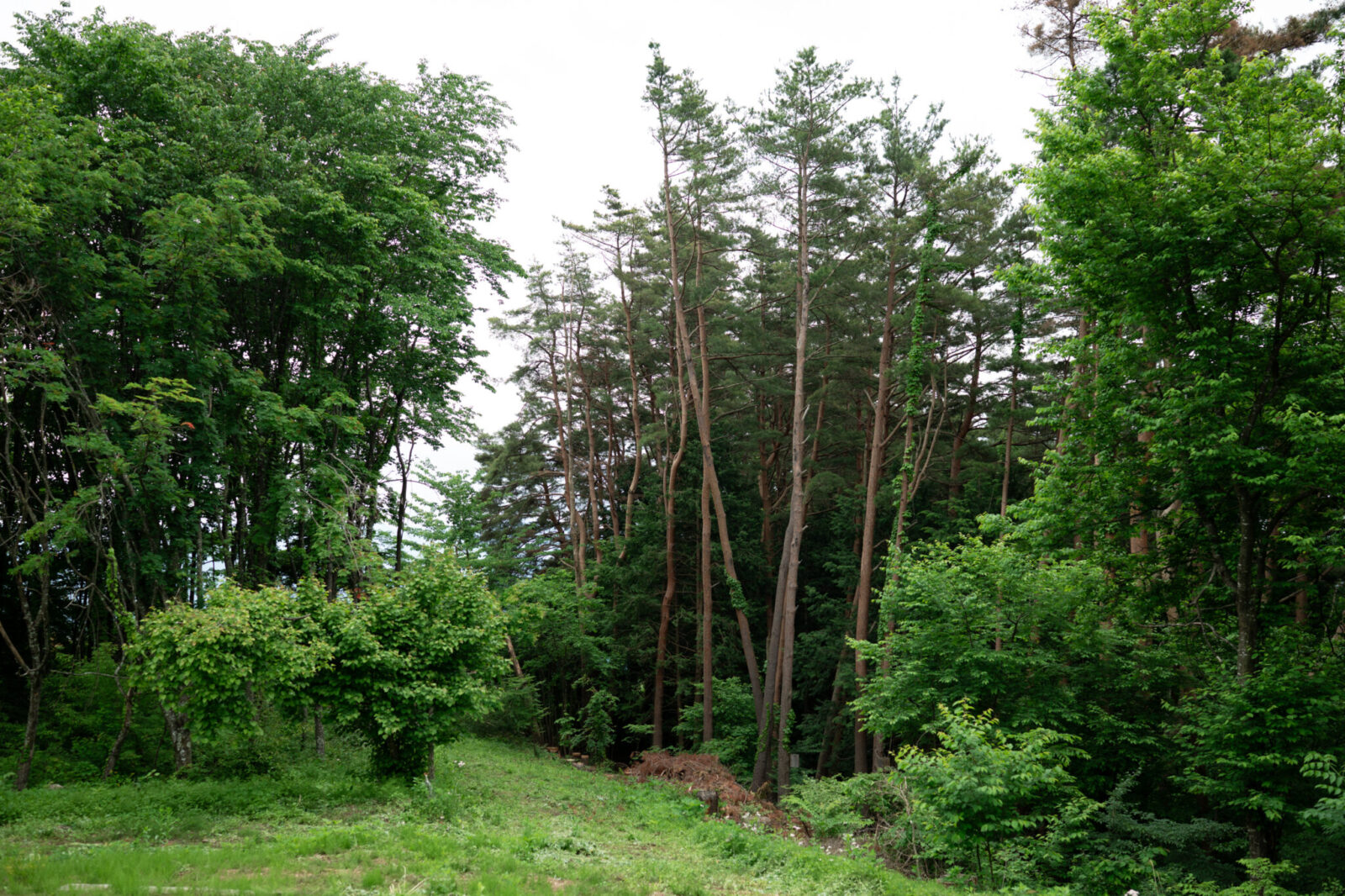
“The solutions to the challenges our forests face are not straightforward. Some argue that the government should take responsibility, while others believe local industries should manage forests as modern commons and develop them into viable enterprises. I think all approaches are necessary, and these issues can only be addressed if various stakeholders actively engage with the forests.”
“We aim to raise awareness by promoting a lifestyle that is truly connected to the forest. Simply asking people to buy furniture made from local wood to ‘help the forests’ isn’t enough to resonate deeply with people.”
“However, if someone thinks, ‘It would be nice to sit in this chair and enjoy a cup of coffee,’ and realizes that doing so also supports forest preservation, that feels like a much more natural connection.”
Creating connections between forests and everyday life
To bring forests closer to everyday life, Yamatowa launched a project called the Forest and Life Subscription Service. It was an idea Okuda had long dreamed of realizing.
“Ideally, I would love for people to visit the forests themselves,” he explains. “But Ina is deep in the mountains, and it’s not easy for city dwellers to make the trip. So instead, we deliver the forest to your doorstep. Each package includes a variety of gifts from the forest such as vegetables grown with compost made from fallen leaves, or some wildflowers and wooden products such as shavings and bath salts.”
“This subscription service enriches daily life, and if people can spare a few moments to think about the forest, it helps us care for it more effectively. These are the kinds of meaningful connections we hope to create between the forest and everyday living.”

If consumers develop an attachment to the products they receive, it may spark curiosity to visit the forests themselves. By learning about the forests’ current state, they might even be inspired to take further action. After all, a small thought can often grow into a significant act.
Each subscription box includes a letter sharing updates about the forest and the people behind the products. This personal touch creates a sense of closeness and strengthens the connection.
“When subscribers share our awareness and values, it brings us joy and makes our work more fulfilling. If they feel inspired to cherish the mountains connected with Yamatowa, that’s the kind of meaningful connection we truly value.”
The Forest and Life Subscription Service also features original brand products called YAMAZUTO, meaning “gifts from the mountain.”
The theme behind YAMAZUTO is slow living, an invitation to enjoy moments within a sustainable cycle. The product line includes canned juices, preserves, and teas made from vegetables and herbs of the forest. Each product is created with the hope that people will pause, relax, and take a quiet moment to connect with themselves, with others, and with the forests and farms.

“In the past, forests were woven into daily life. It was common for people to go into the mountains to gather wild edible plants. Today, people are busier than ever and caught up in consumer society, but this offers a way to reconnect with the forest.”
“I personally love tea and herbal tea, and I believe it’s important to know where that tea comes from, who cultivated it, how it’s prepared, and with whom you share it. When you connect with its place of origin, you experience the true richness of life. That’s where awareness begins to shift.”
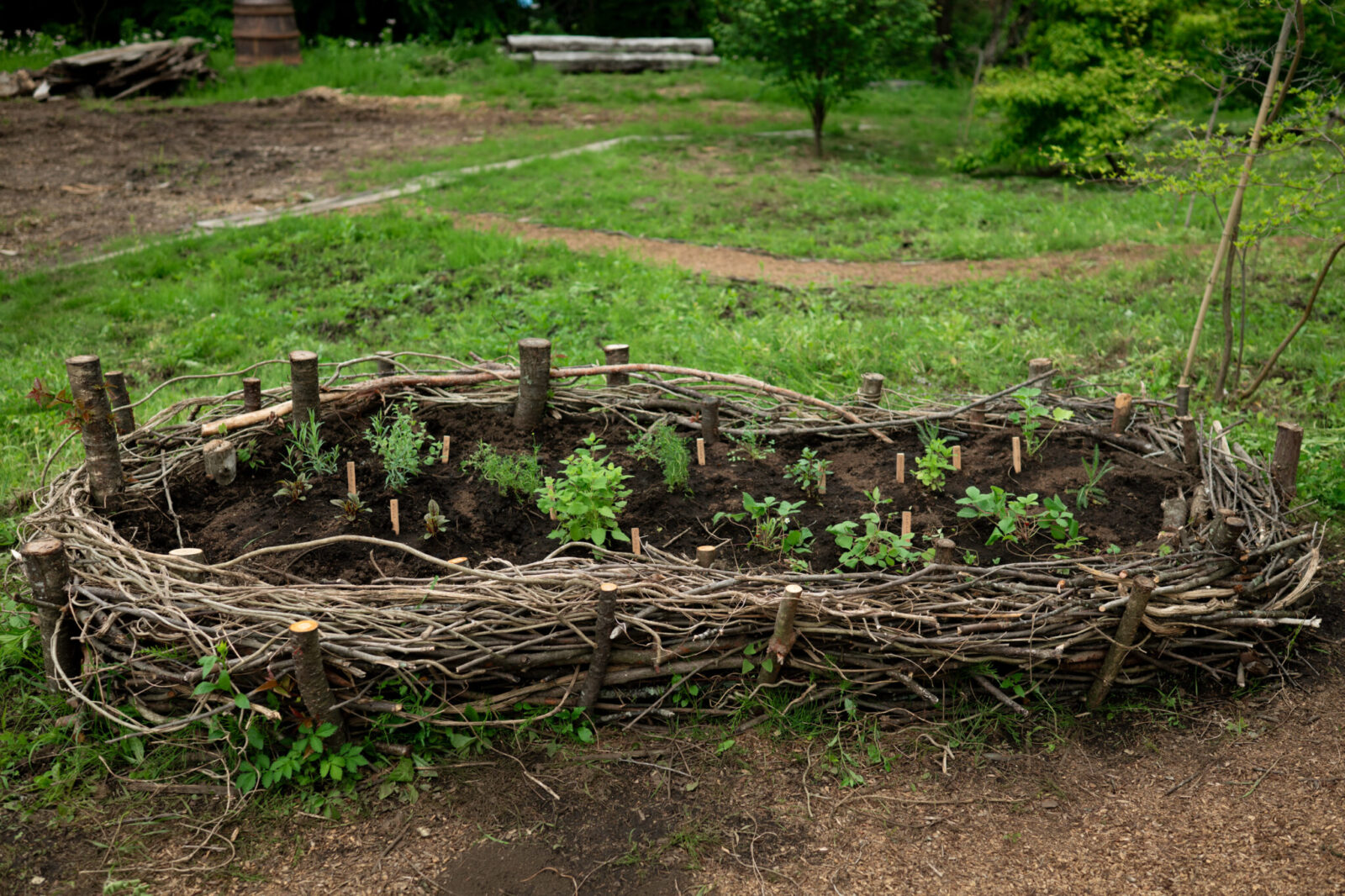
For many, the forest feels distant, something rarely thought about in daily city life. Yet everyone has felt its quiet comfort and understands its importance.
Okuda believes that if more people develop a personal connection with the forest, the way we care for it will begin to change. That belief is what drives him to continue entering and working in the forests today.
Yamatowa
Translation: Sophia Swanson
Advisor to corporations, and local governments on promoting local tourism. Published work includes, “Aomori & Hakodate Travel Book” (Daimond), “San’in Travel: Craft and Food Tour” (Mynavi), “A Drunkard’s Travel Guide: Sake, Snacks, and Tableware Tour” (Mynavi). Her life work is to explore towns in her travels, drink at different shops and visit the workshops of different crafts. Interests include tea, the Jomon period, architecture, and fermented foods.
Editor. Born and raised in Kagoshima, the birthplace of Japanese tea. Worked for Impress, Inc. and Huffington Post Japan and has been involved in the launch and management of media after becoming independent. Does editing, writing, and content planning/production.