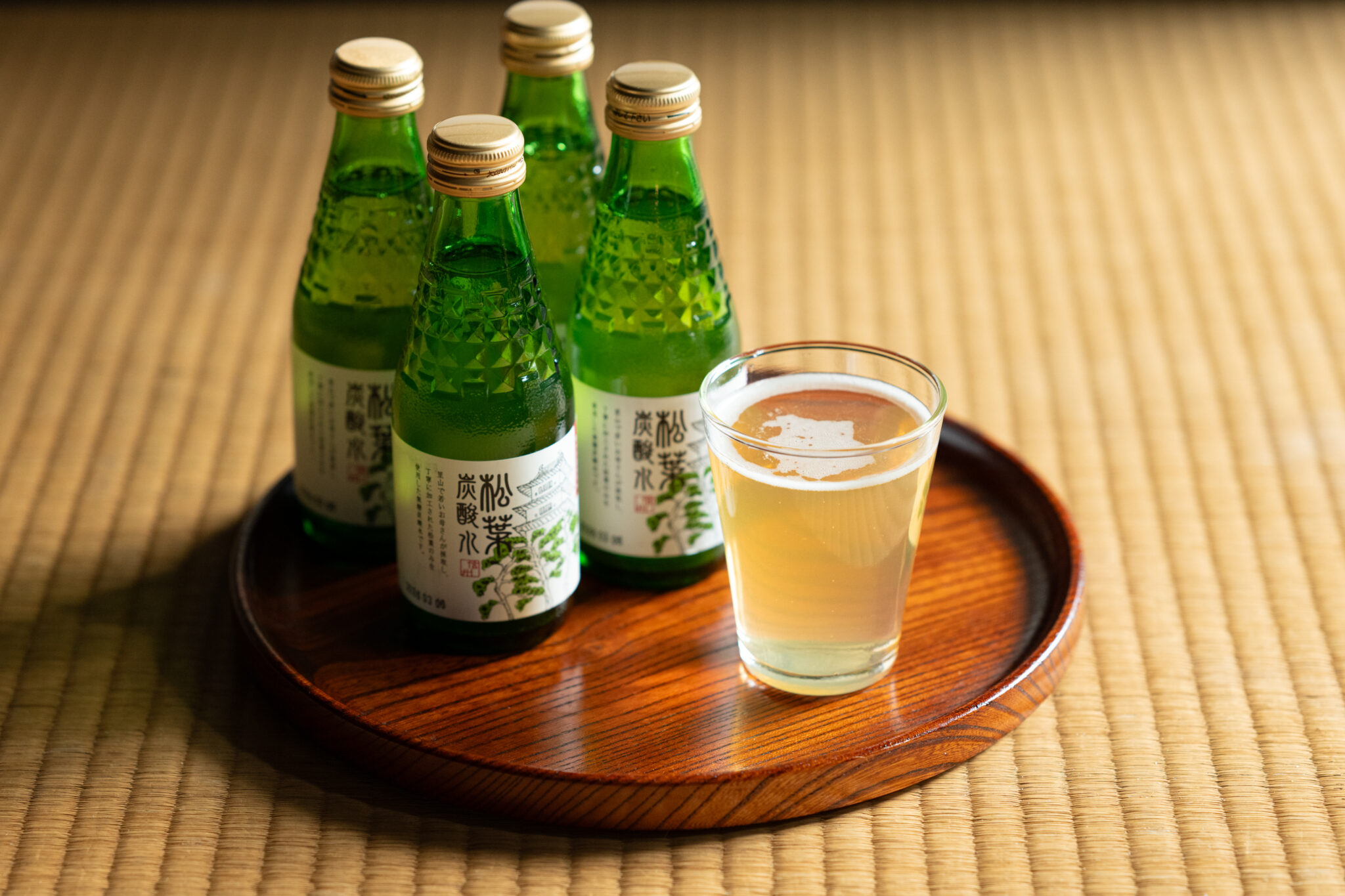
In our mini-column series, we introduce the regional delicacies, botanicals and artisans that the DIG THE TEA editorial team encounters on our travels across Japan.
For this feature, we visited Ina, a region in the southern part of Nagano Prefecture. While we were there to cover the article featuring Yamatowa, we discovered that many people and organizations in Ina are deeply engaged in forest related projects.
One tree that holds a particular significance in this area is the red pine. Found throughout the region, it is valued not only as lumber for buildings and furniture, but also for producing high-quality charcoal and serving as the growth base for matsutake mushrooms. The red pine has long been intertwined with the livelihood and culture of the people of Ina.
In recent years, however, these trees have been threatened by pine wilt disease, caused by infestations of nematodes, posing a serious threat to their survival.
To protect and utilize the red pine, Ina City has launched initiatives such as hosting Campfire Days in the forest and even developing unique beverages, including a red pine tea and soda. For this story, we spoke with several individuals involved in these efforts to sustain the red pine for future generations.
Bringing the forest into the everyday lives of Ina
The person who informed us about the red pines was Yuko Hiraga, the manager of a select shop called Wild Tree and the vice chairman of the Ina City Midorina Committee.
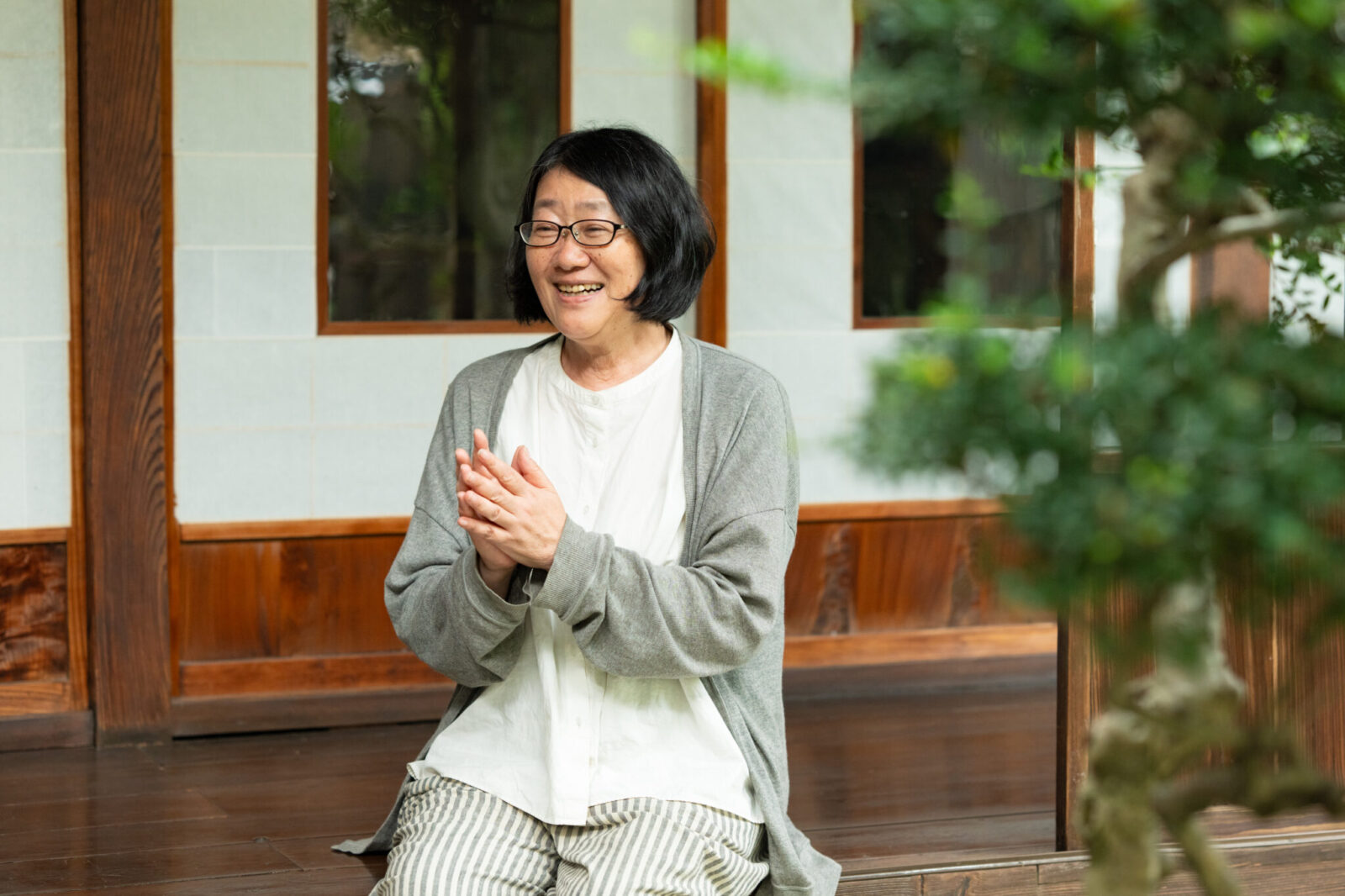
Hiraga is involved in a number of initiatives related to the forest and is also connected to the Yamatowa project.
Ina City established the 50-Year Vision for Ina City Forests in February 2016. Its mission is “To create a city where mountains and forests sustain the wealth and employment of its people, and to develop a new business model that builds a sustainable economic cycle led by its citizens.” (Source: Ina City Hall website)
One of the organizations supporting this vision is the Ina City Midorina Committee, an affiliate body that aims to strengthen the connection between forests and everyday life, and to promote the forests and the people who work with them. Hiraga has served as the organization’s vice chairman for eight years.
Hiraga says that since she started working with forests through the Ina City Midorina Committee she has developed a deeper understanding towards it.
“I’ve always had a strong interest in forests. In fact, I even used the Chinese character for ‘forest’ in my child’s name. I’ve long been conscious of environmental issues, and my shop offers products made from thinned timber and other eco-friendly materials. For example, I’ve been selling beeswax candles sourced from Australian forests since 2002.”
Hiraga believes many people share this deep admiration for the forest.
“The mayor of Ina City loves campfires and spending time in nature. He is passionate about making Ina a city that values its forests, and even adopted the slogan City that lives with forests for Ina City. We have Yamatowa, local artists who work with timber, NPOs like Morinoza, and writers specializing in forests, all contributing to a unique community centered around the forest.”
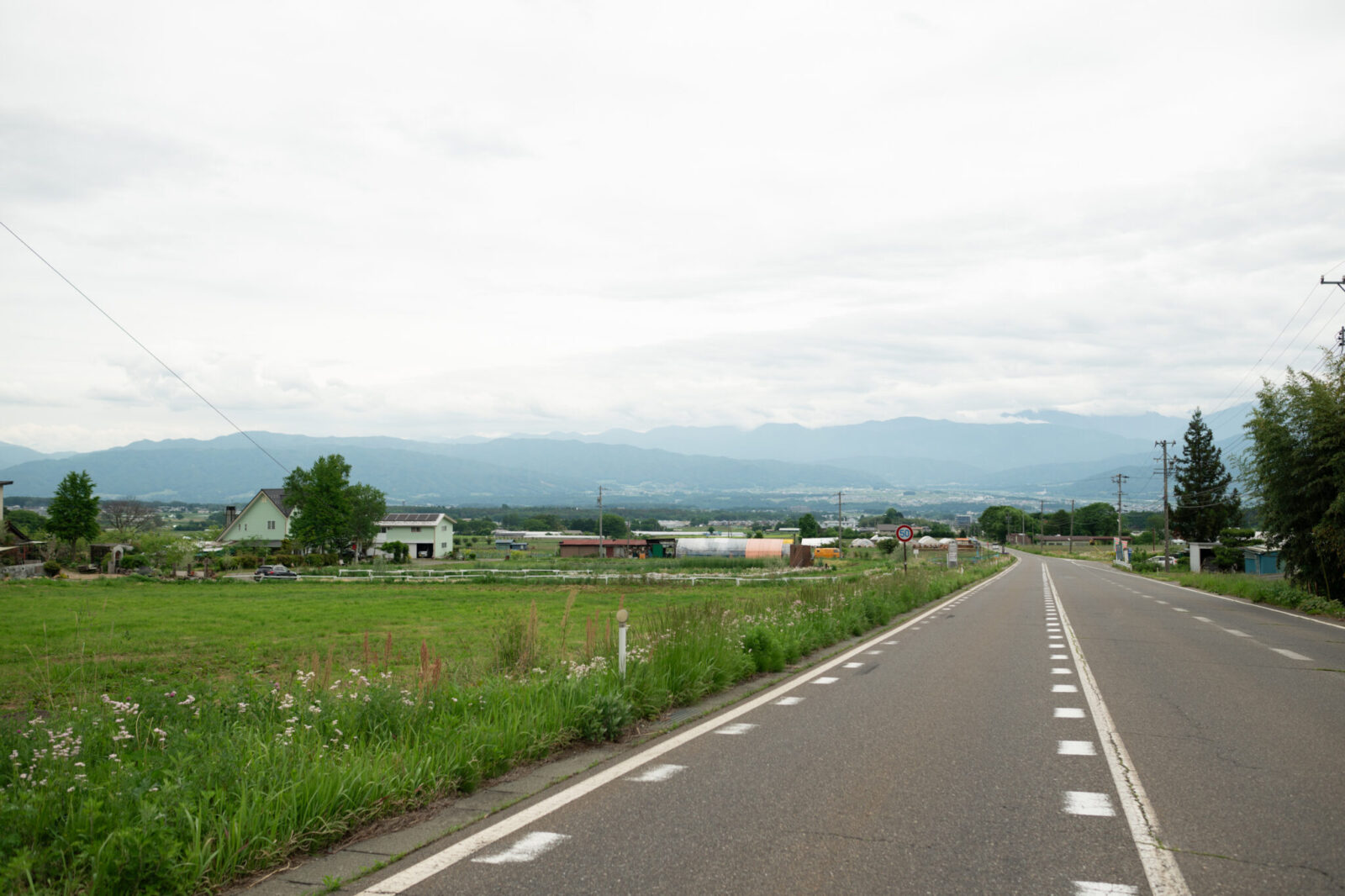
Earlier this year, Hiraga visited Finland to learn about their forest-related programs and initiatives. The experience offered her valuable insights, but also left her feeling that there is still much work to be done back home.
“Everyone I met in Finland said, ‘We belong to nature, it’s in our DNA.’ They truly live side by side with the forest. I was deeply moved, and honestly a little envious of that way of life.”
“I believe Japanese people once had that same relationship with nature. If we can reconnect with it, I think our world will be transformed. That’s why I want to help people feel a closer bond with the forest, and why I constantly think about new ways to build those connections.”
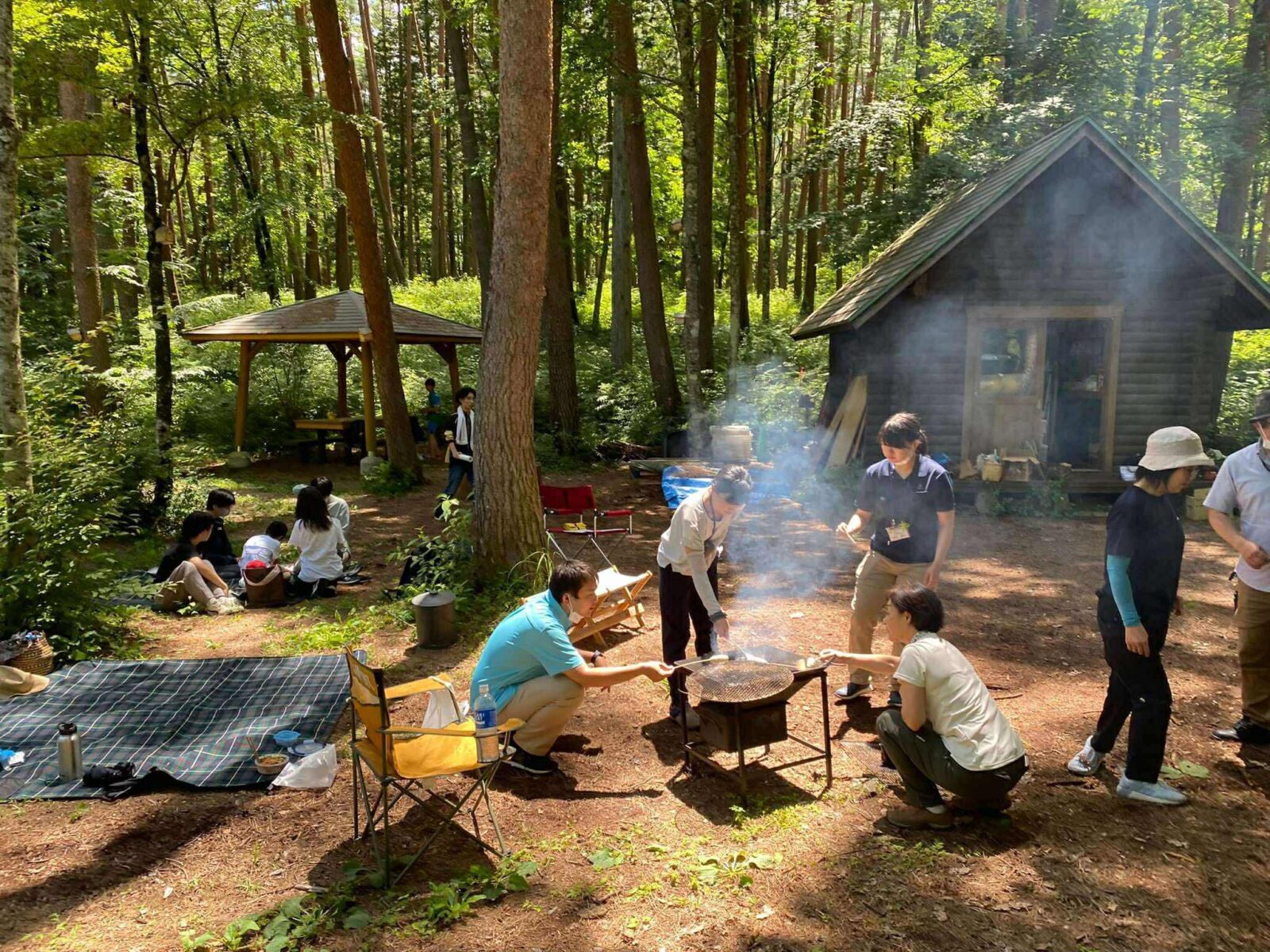
One initiative they started is a monthly Campfire Day.
On this day, participants gather around a fire to cook tempura made from wild plants foraged in the forest, bake bread, and roast sausages together. Because the forest changes with each passing month, visitors can enjoy witnessing and experiencing the subtle shifts of the seasons.
Hiraga says she hopes that both children and adults will take part in these gatherings and that they will also become a welcoming place for children who are not currently attending school.
“No two trees in the forest are the same. The forest has a generous nature that embraces diversity. We want people of all kinds to come and spend their time here freely, in their own way. It’s such a simple, yet profoundly beautiful thing and we want to make that way of living a part of everyday life.”
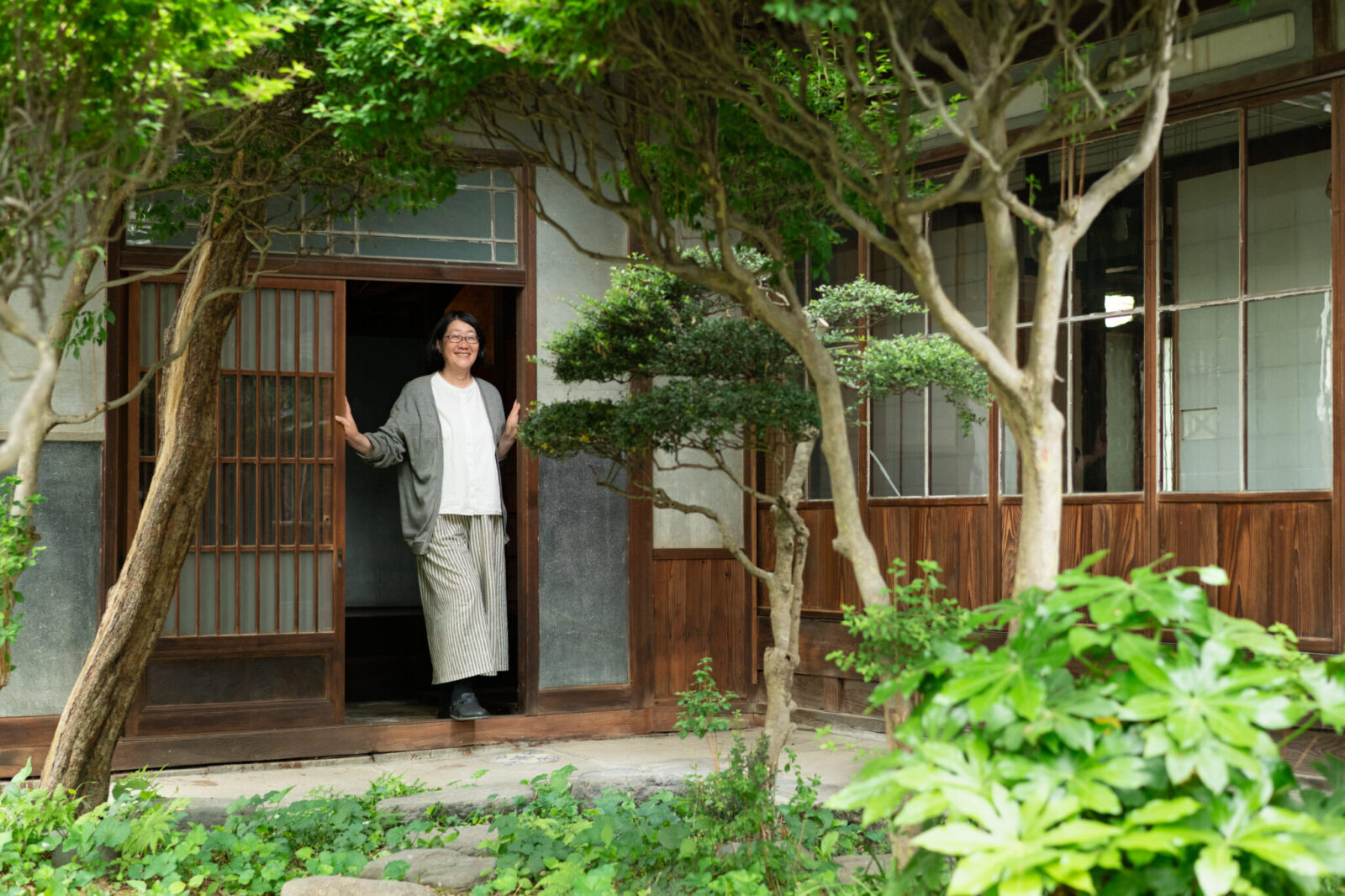
Hiraga has recently started another new project. She is renovating an old Japanese house that was formerly a restaurant called Matsuki and transforming the space into a cafe, gallery and workshop space. When we visited in June, preparations of the renovations were underway. (crowdfunding project underway)
In this charming and historical building, she introduced us to a unique gathering of people who are connected by their shared ties to the red pine tree.
A woman captivated by the beauty of Ina’s red pine trees
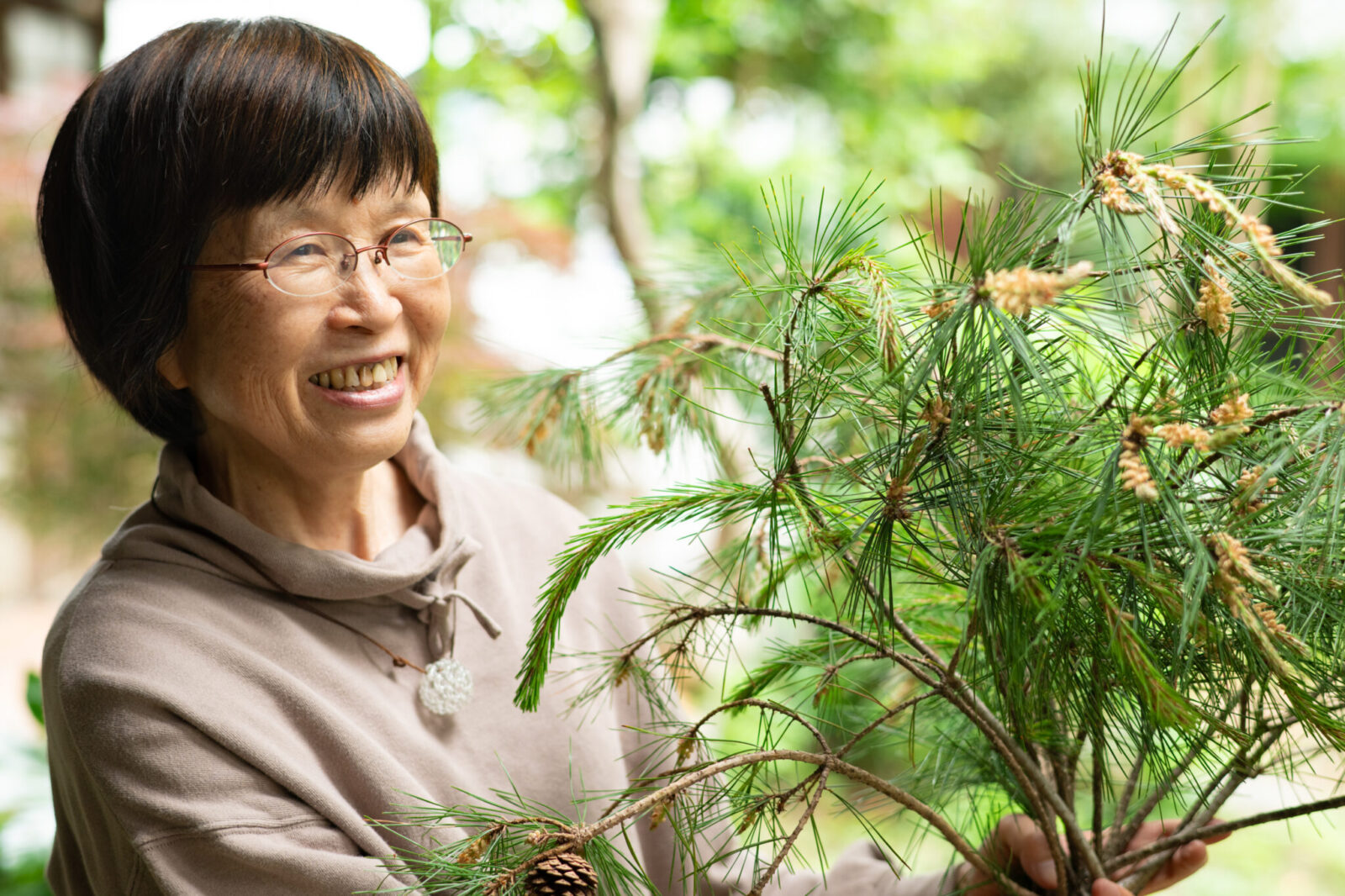
Mayumi Suyama appeared carrying a large bundle of red pine branches. She said she had always admired pine trees, but it was during her mother’s illness that her interest deepened. A friend had recommended The Secret to Longevity: The Pine Needle Health Method by Yuzaburo Takashima (Kodansha), and the book completely fascinated her. It also reminded her of how her grandmother once made and drank pine needle wine, a traditional fermented health beverage.
Motivated by a desire to help her mother, Suyama began studying pine trees in depth and, in 2015, founded the Women’s Pine Association to share awareness of pine’s many benefits.
She later visited Morinoza, a forestry group that manages red pine forests, and began receiving donations of high-quality Ina red pine to use for health-related products. As demand grew, they launched an online shop and began shipping pine products nationwide. They also organized events such as the Pine Festival to foster deeper ties with local communities.
Through these activities, Suyama met a research group focused on revitalizing depopulated areas through the use of local natural resources. This group utilized regional trees such as kuromoji and red pine to create pine needle tea, sparkling water, and other health-conscious products. Suyama advised them on the launch of their online shop, Takato Satoyama no Kaze, and helped improve the quality of their pine needle sparkling water.
Today, she continues to dedicate herself to promoting the appeal and health benefits of the red pine tree.
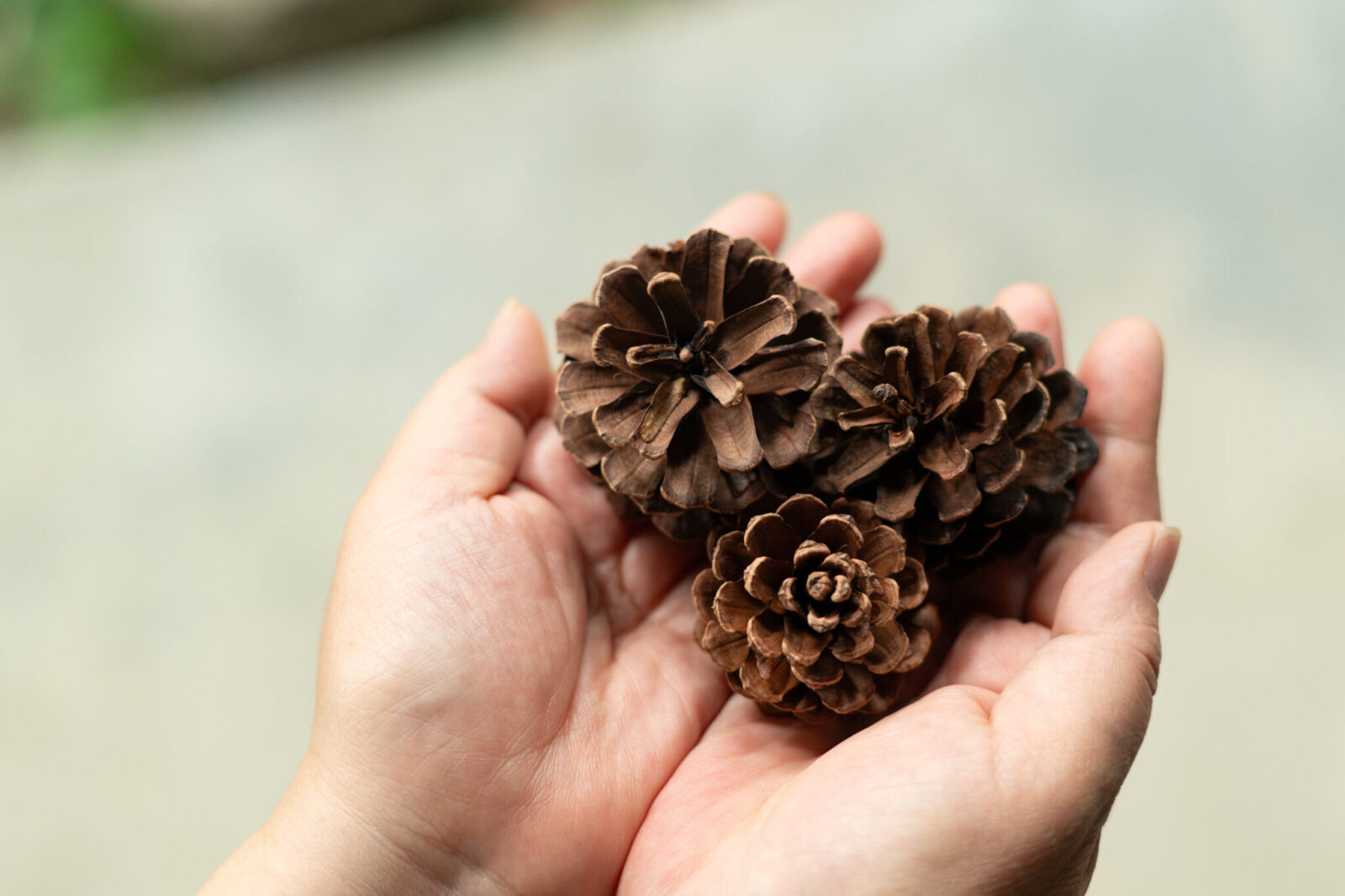
Just as vegetables grown at high altitudes develop a richer flavor, the wide temperature fluctuations in Nagano Prefecture also seem to influence the taste of its pine trees. The flavor of pine varies by region. In warmer areas more susceptible to insect damage, the trees naturally produce higher acidity to protect themselves from pests.
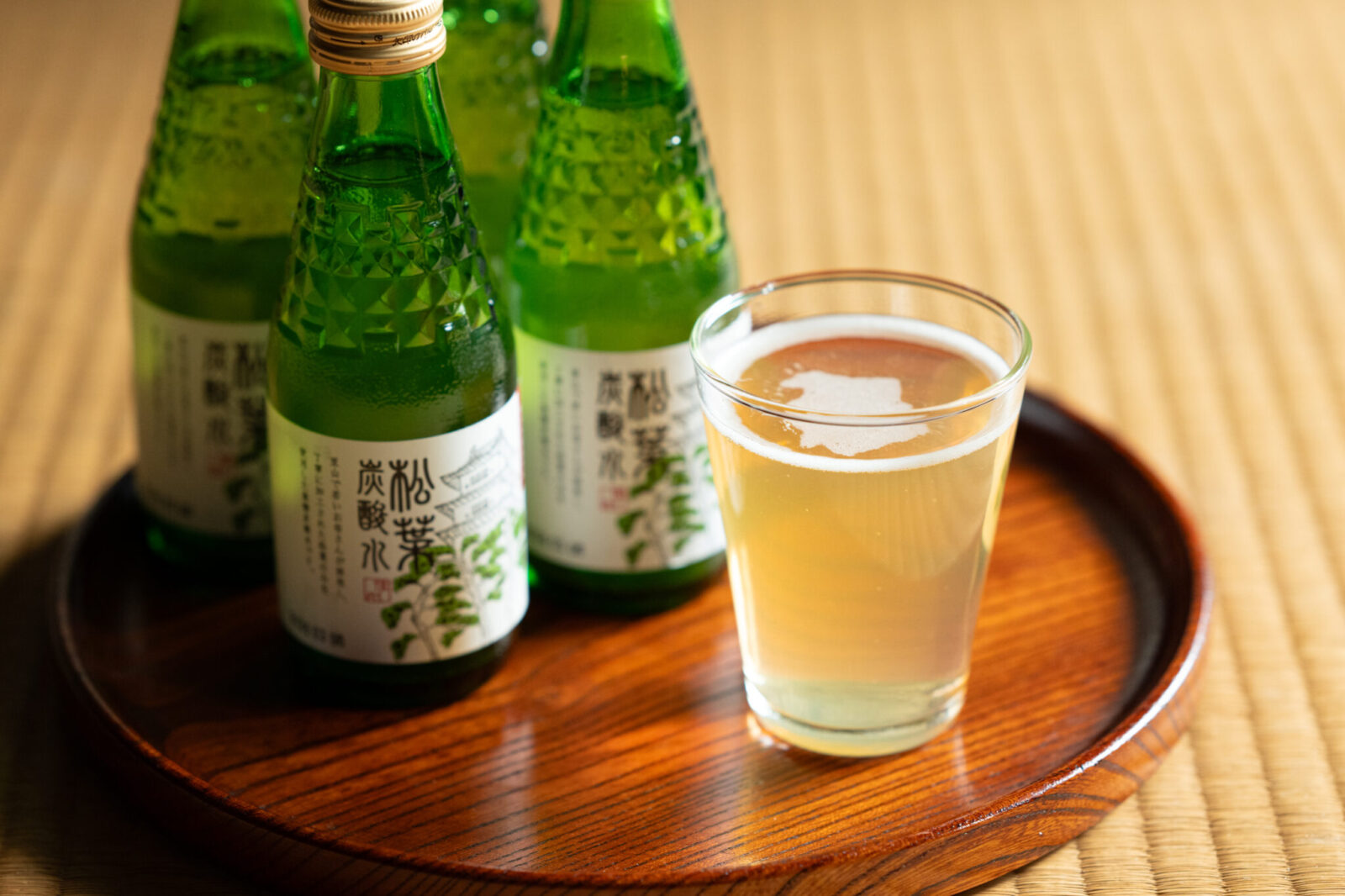
Sampling the various red pine beverages created by Takato Satoyama no Kaze, I was struck by how balanced they were. None had an overpowering taste, making them smooth and approachable even for those unfamiliar with pine-based drinks.
The first drink I tried was a fresh pine needle juice made by blending newly picked needles. Its deep green hue was striking, and its refreshing, subtly fruity flavor carried gentle notes reminiscent of apples and pears.
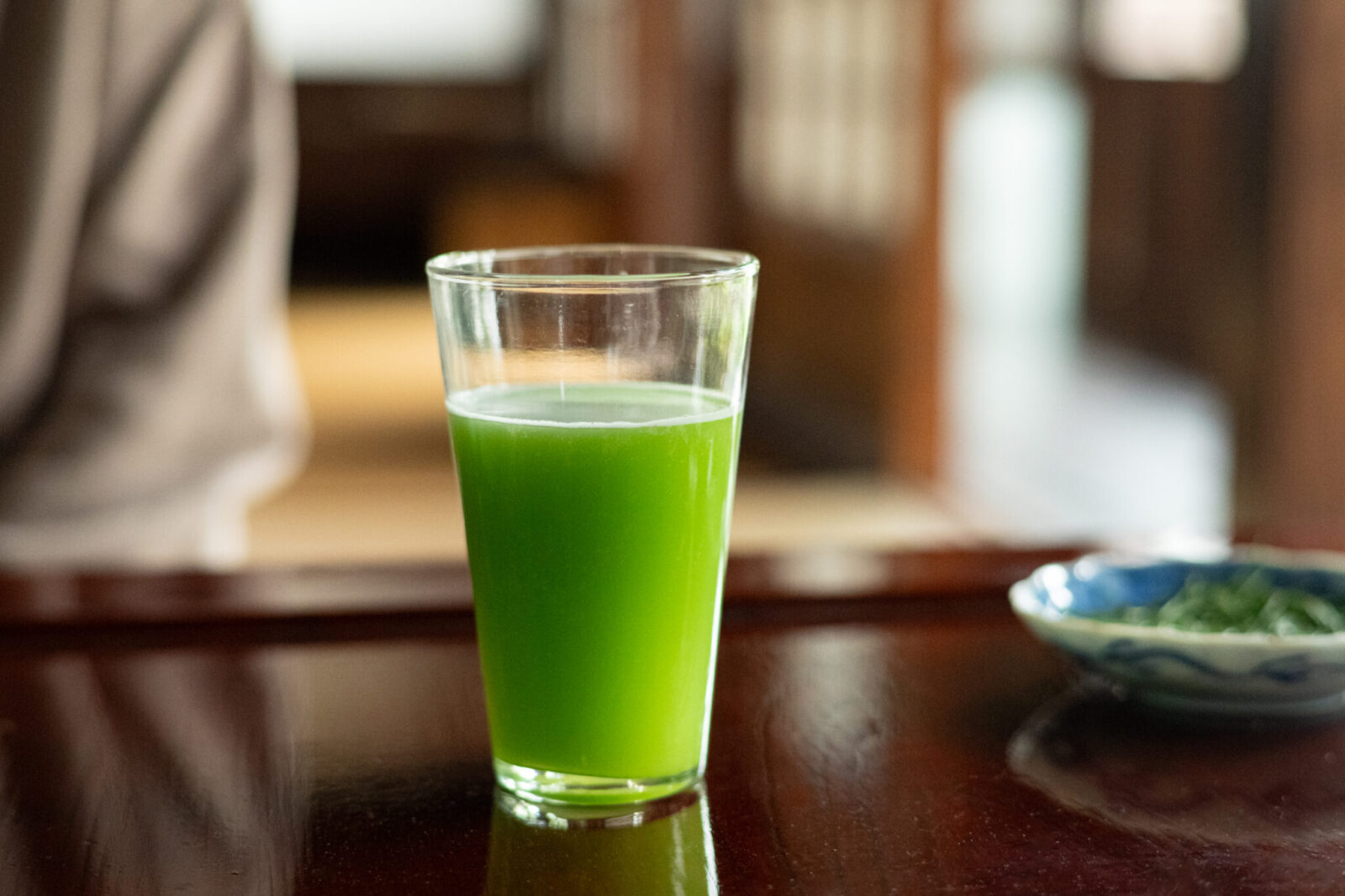
The pine needle sparkling water had a crisp, herbal flavor with a touch of green freshness and a faint, beer-like nuance. It felt light yet complex, and I could imagine it pairing beautifully with a hint of sweetness, like a lemon-honey drink, or even as a refreshing mixer for cocktails.
The red pine tea, made from roasted red pine needles blended with kuromoji and roasted green tea, offers a soothing aroma and a pleasantly mild flavor that makes it easy to drink. Both the pine needle sparkling water and the red pine tea are available through the Takato Satoyama no Kaze online shop.
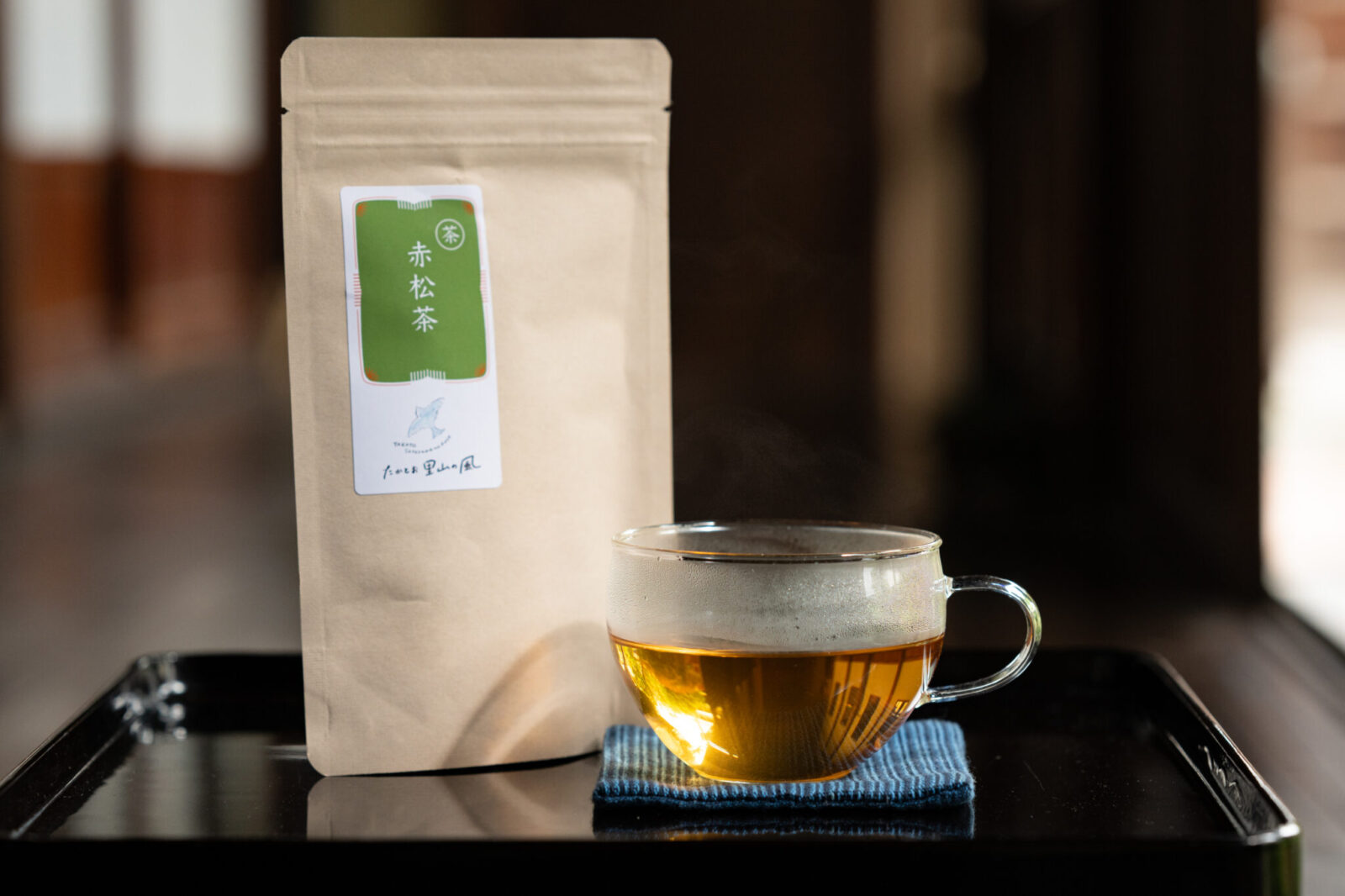
Suyama shares as she recalls the development of the tea, “We worked really hard with our team to bring out the true essence of the red pine tree.”
Using conventional high temperature dryers caused the aroma of the red pine tree to dissipate so they adopted a special low temperature drying process under high pressure. Furthermore, instead of soaking the wood in highly sterilizing hypochlorous acid, they used low-temperature sterilization to preserve the red pine’s flavor as much as possible. These specific requirements made it difficult for them to find a processing factory to work with in the beginning.
Pine has a long and deep relationship with traditional Japanese culture. As an evergreen that remains lush and green even in winter months, it symbolizes health and longevity. Revered as sacred and featured in New Year’s decorations, they are also considered to bring good luck.
The beauty of its branches also make them a valued tree in Japanese gardens and bonsai. Their motifs are often used in paintings and architecture, giving them a highly artistic value.
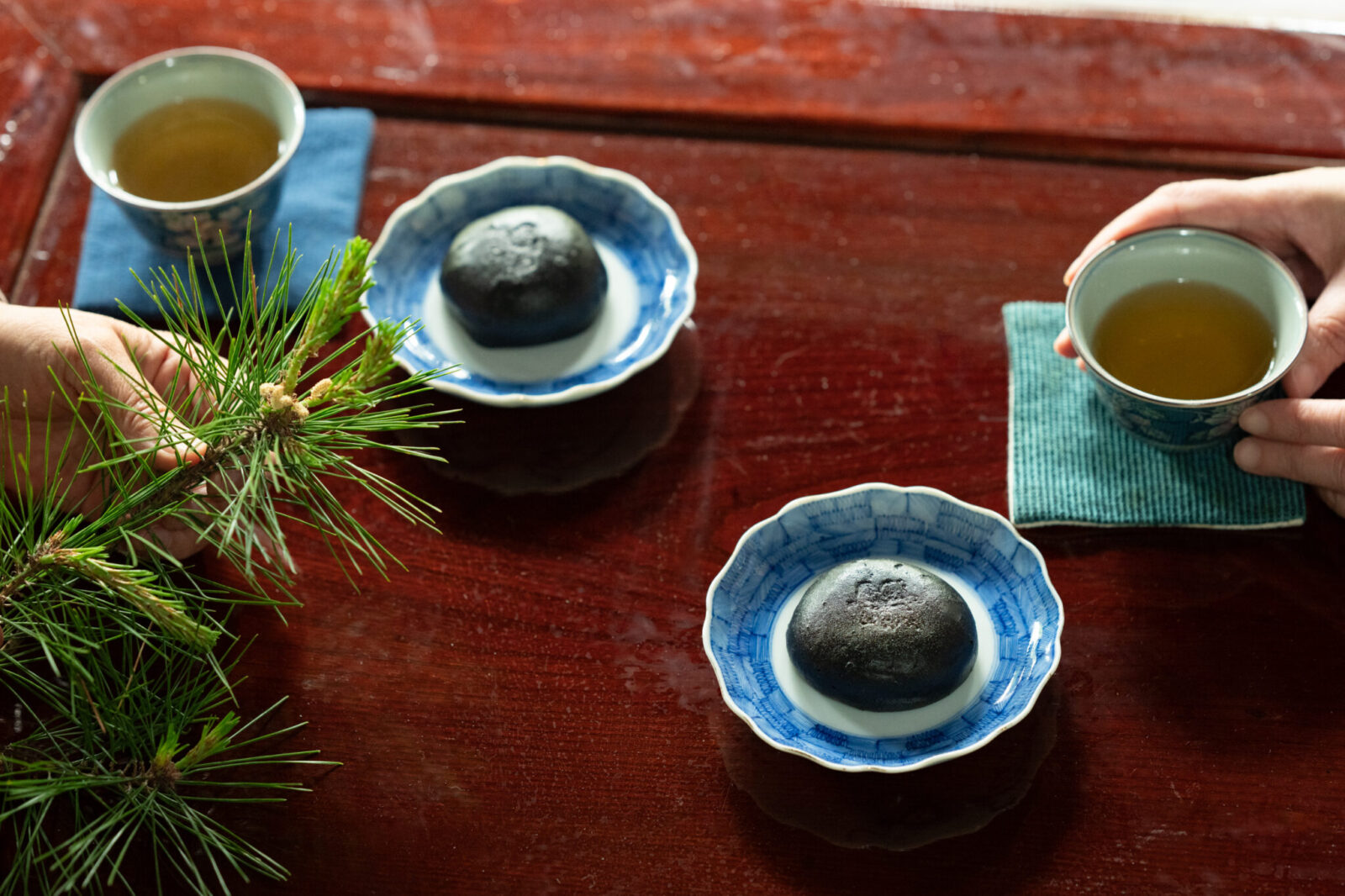
“Pine trees contain α-pinene, a refreshing aromatic compound commonly found in conifers. It’s known to help reduce stress, promote relaxation, and improve blood circulation. Since the Ina Valley is surrounded by red pine forests, I imagine that some people here live healthier lives without even realizing it, simply by breathing in the gentle scent of pine each day,”
Suyama says that Japan has always been supported by pine trees, making them a species we should cherish more.
After stepping down as an advisor for Takato Satoyama no Kaze, Suyama began working on prevention measures to combat red pine diseases in the Ina region.
“We’re experimenting with pesticide-free methods that focus on enriching the soil with beneficial fungi and microbes to strengthen the local ecosystem. By improving the soil’s health, we hope the pine trees themselves will grow stronger and more resilient against pests and disease. After a year of trials, we’re starting to see promising results. We plan to continue this work to help preserve the famous red pine forests of the Ina Valley.”
“Red pines are what we call ‘pioneer plants’. They’re the first to take root and grow quickly, even after disasters or environmental changes strip the land bare. Don’t they have a kind of Yamato spirit? Unlike hardwood trees, they don’t hoard nutrients but return them to the soil for the next generation. There’s something almost samurai-like about that. To me, the pine tree truly embodies the Japanese spirit.”
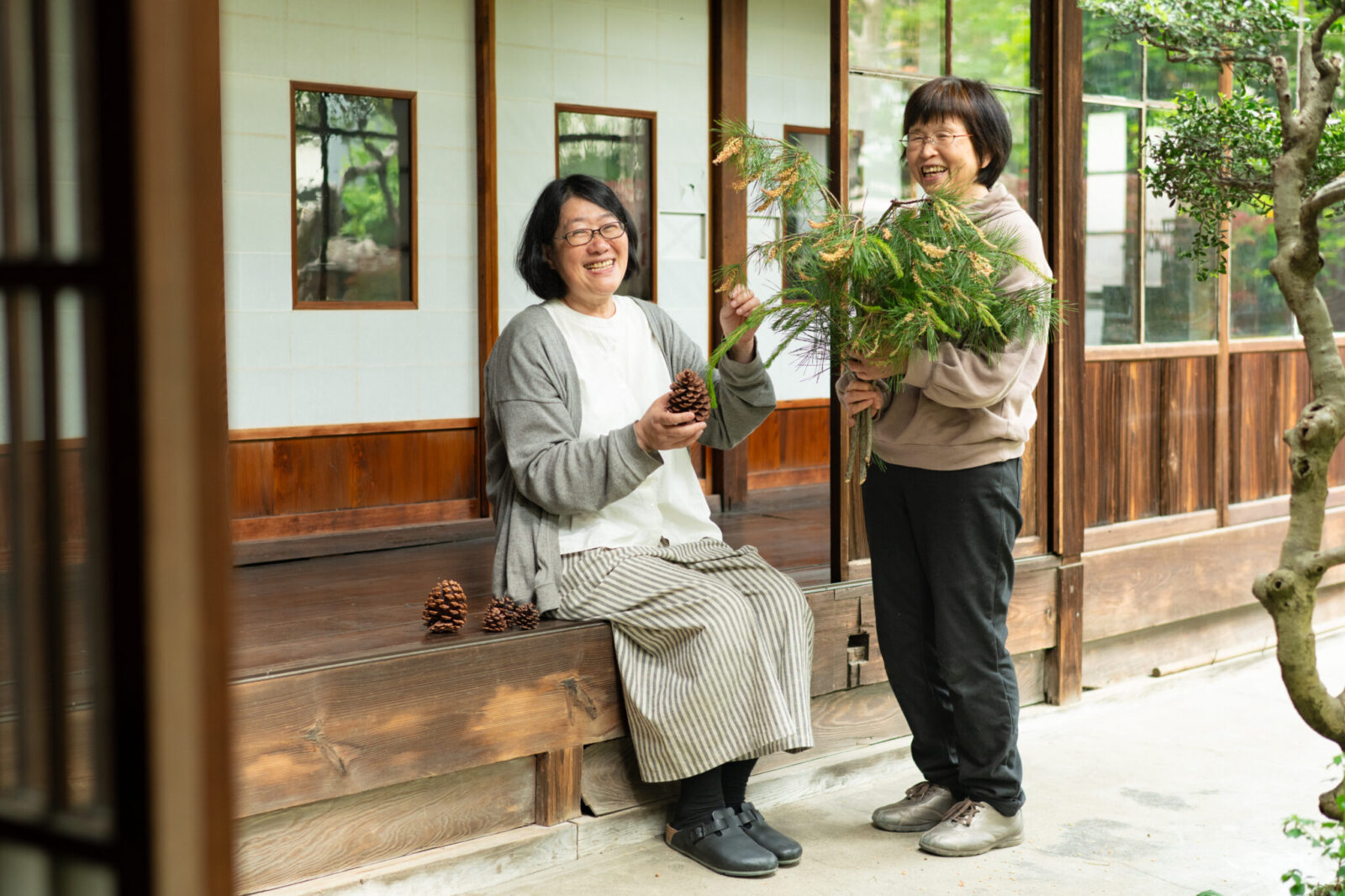
Surrounded by bundles of red pine branches releasing their refreshing aroma, Hiraga and Suyama’s passion for these trees seemed boundless. Their enthusiasm made us even more eager to immerse ourselves in the healing embrace of Ina’s red pine forests.
Ina City Midorina Committee
Wild Tree
Shoki Instagram
Takato Satoyama no Kaze, (Instagram)
Women’s Pine Association
Advisor to corporations, and local governments on promoting local tourism. Published work includes, “Aomori & Hakodate Travel Book” (Daimond), “San’in Travel: Craft and Food Tour” (Mynavi), “A Drunkard’s Travel Guide: Sake, Snacks, and Tableware Tour” (Mynavi). Her life work is to explore towns in her travels, drink at different shops and visit the workshops of different crafts. Interests include tea, the Jomon period, architecture, and fermented foods.
Editor. Born and raised in Kagoshima, the birthplace of Japanese tea. Worked for Impress, Inc. and Huffington Post Japan and has been involved in the launch and management of media after becoming independent. Does editing, writing, and content planning/production.