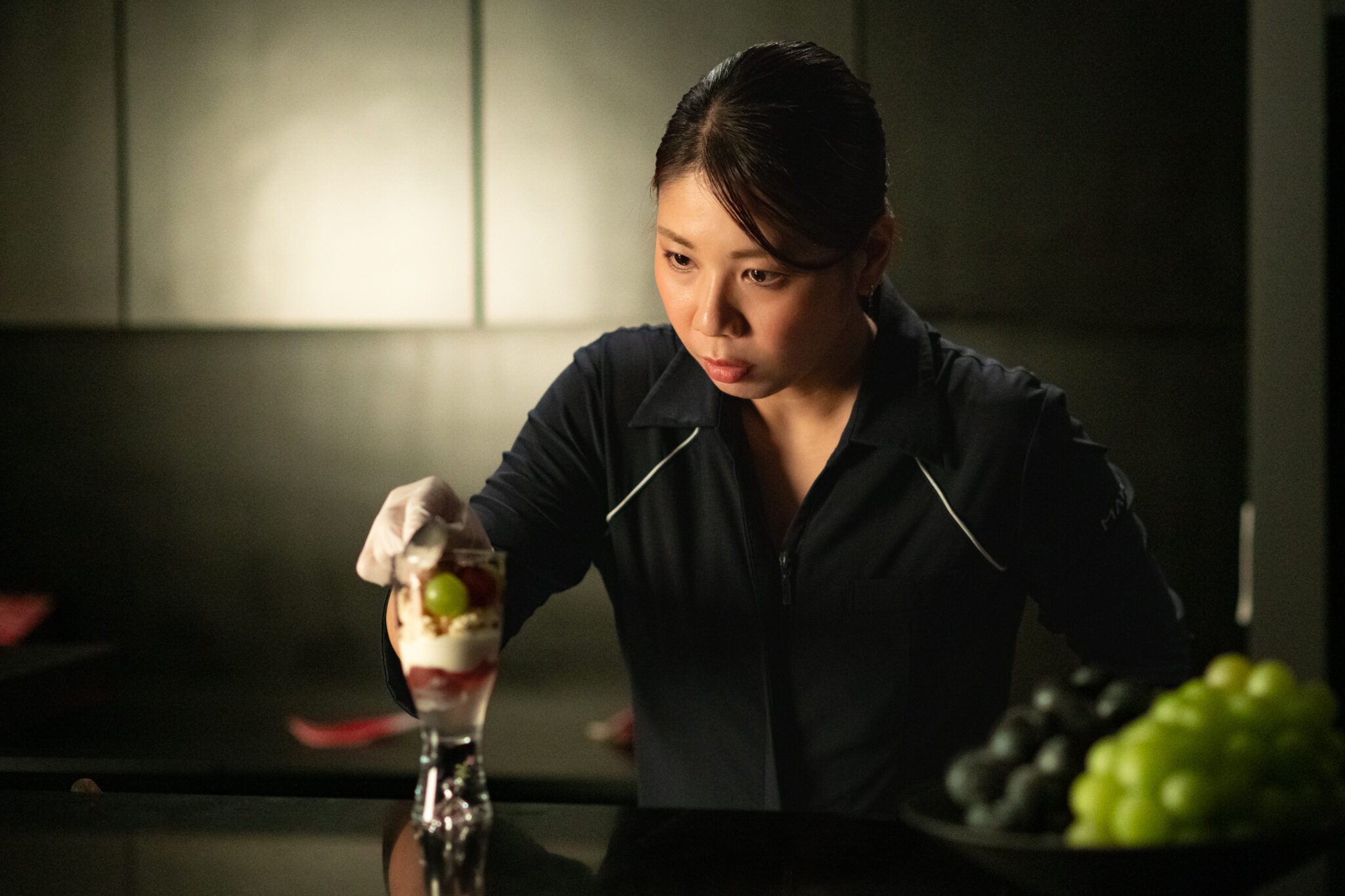
Pâtissière MAYO is a popular, reservations-only dessert bar in Roppongi, Tokyo, beloved by many food connoisseurs.
Owner and pastry chef Mayo Miyata prepares parfaits and cakes right in front of guests, offering a live, immersive experience and a moment of pure culinary indulgence that can only be enjoyed then and there.
Many guests order an average of two to three items during a single visit, often mixing parfaits, cakes, and baked treats. What is it about her creations that allows customers to enjoy so many desserts without feeling overwhelmed by sweetness?
Miyata says she feels like her creations “create a shared experience”. We will explore what gives her desserts their distinctive charm.
A bar to enjoy desserts, wine and tea as a “second stop”
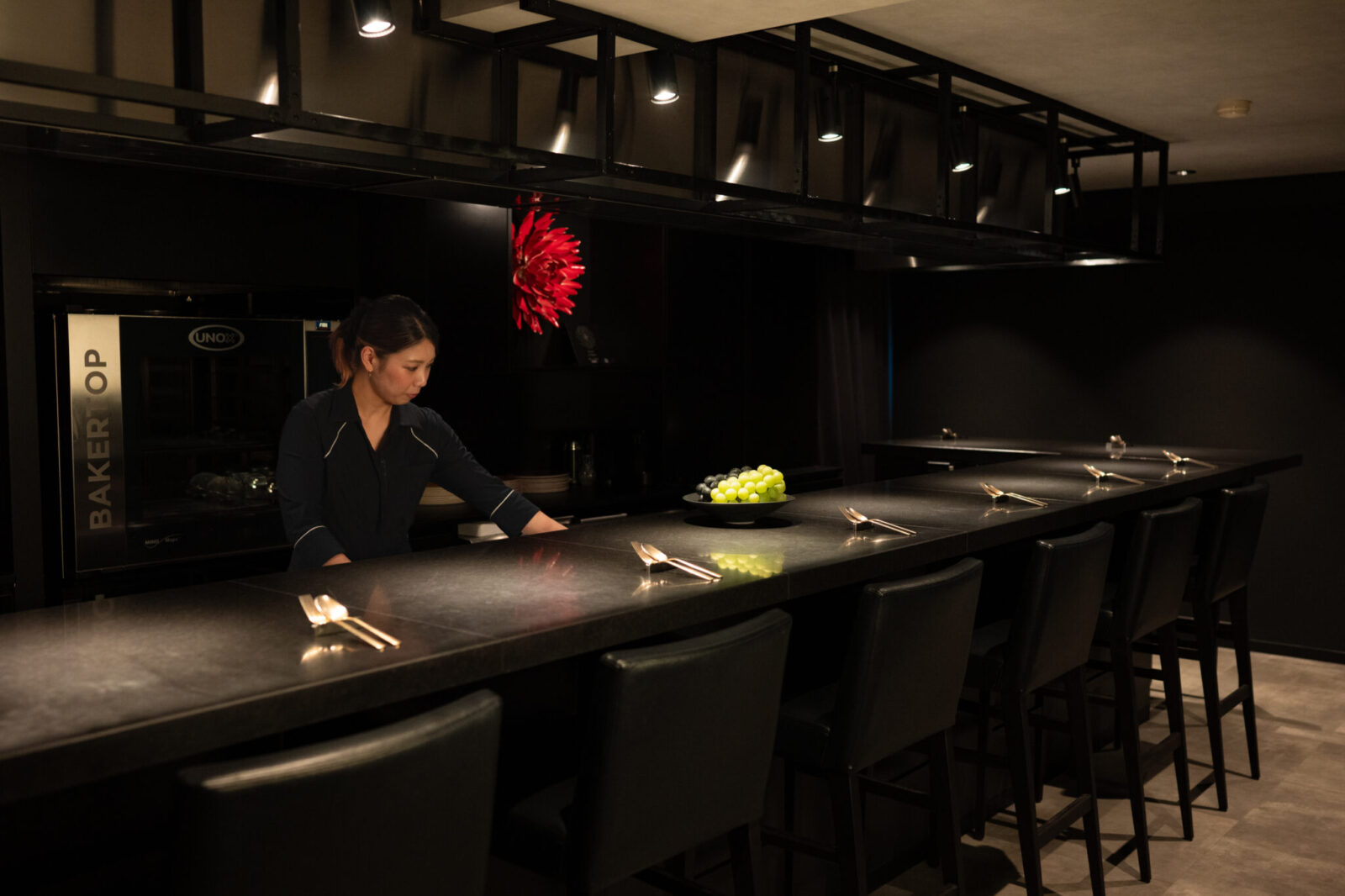
Pâtissière MAYO is an intimate, ten-seat dessert bar in Roppongi that opens only at night.
The space is wrapped in deep black tones, making the glossy, colorful fruit displayed along the counter stand out with a striking elegance.
Watching parfaits and shortcakes come together right before your eyes feels almost like witnessing an artistic installation.
Owner and pastry chef Miyata says that the idea of creating a bar dedicated to freshly made desserts was part of her vision from the very beginning.
After graduating from pastry school, Miyata spent three years honing her craft at Pâtissier Anténor. She then worked as a chef pâtissière at several renowned establishments, including the French restaurant Liberté à Table de Takeda and L’Art et la Manière.
In 2018, she assisted in opening the innovative restaurant Hasegawa Minoru (now Kaoru HIROO), where she prepared pastries and served guests directly from a counter-style table.
“I wore a black chef’s coat with a crisp collar while serving customers, but no one realized I was the pastry chef. I would set the tables, explain the dishes, and bring out the courses, and when dessert time came, I’d suddenly start assembling it right in front of them. It always surprised people,” she recalls with a laugh.
Although it’s more common now for restaurants to finish desserts at the table, very few specialty establishments offered such an experience at the time. Miyata sensed great potential in this counter-style preparation, noticing just how much guests enjoyed the experience.
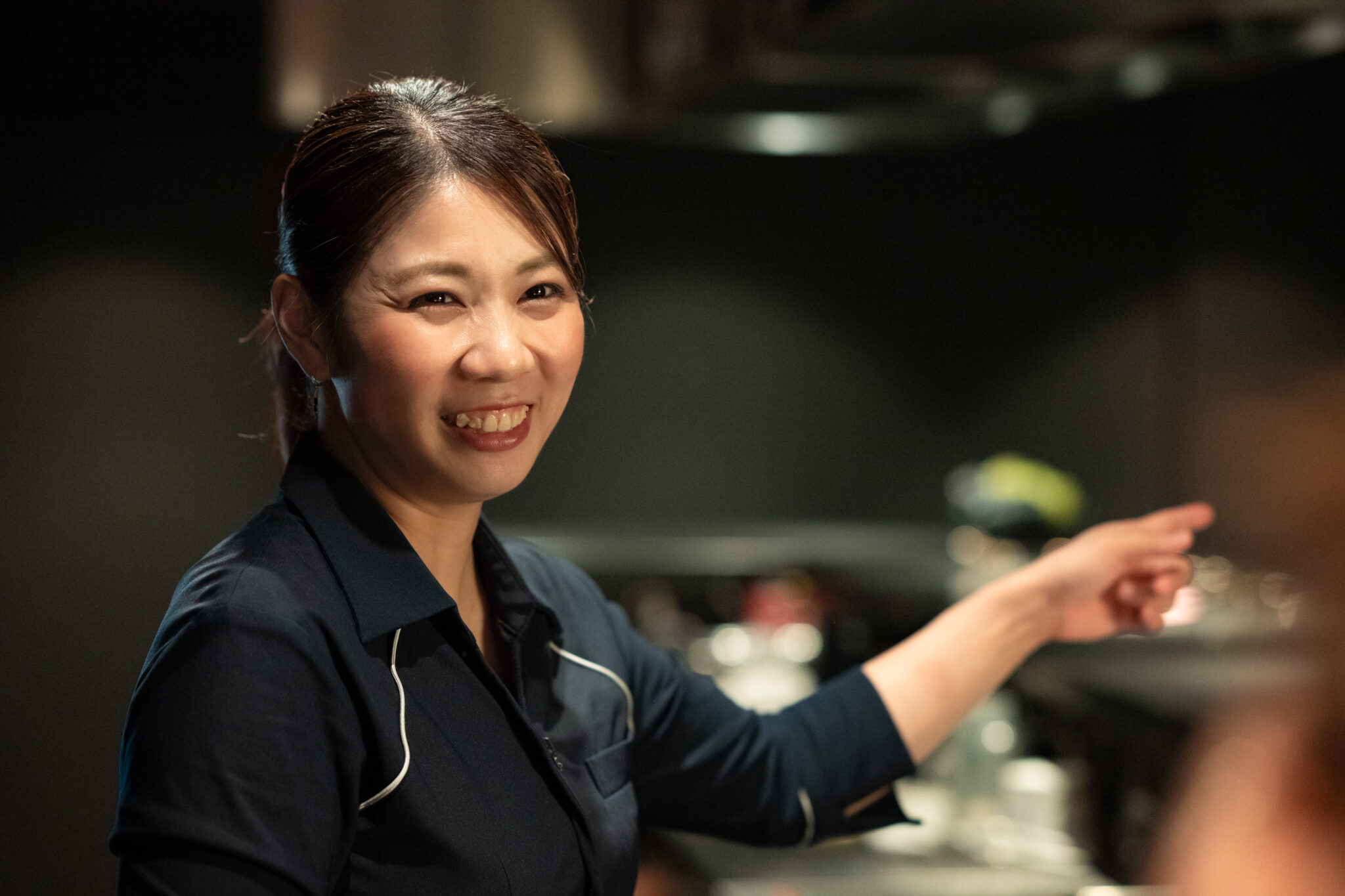
The following year, while waiting for the main restaurant, Lab., to open, Miyata decided to first launch a dessert bar that operated only at night.
“Our counter opened around eight p.m., and even without any promotion, twenty seats filled up every night. When I asked customers where they had been before coming, most said sushi or yakiniku restaurants, or places that typically don’t serve dessert.”
She soon realized there was strong demand for a “second stop restaurant,” a place people could visit after dinner to enjoy desserts paired with wine or tea. “I thought that focusing solely on desserts might actually work,” she explains. “That’s how the current style was born.”
Despite its immense popularity, where reservations are often booked up two months in advance, Miyata says, “I want our place to remain somewhere people can casually drop by as a second stop.” For returning guests, they offer seats after 9 p.m. whenever space is available.
Meeting producers around Japan to purchase fruit directly
We ordered the seasonal parfait of the day, the Grape Parfait.
From the bottom up, the parfait was composed of plum wine jelly, Black Beat grape compote, fresh cream, rum raisin parfait, homemade ricotta cheese, and fig jam. It was crowned with fresh Black Beat and Suiho grapes, then finished with a scoop of Black Beat grape sorbet.
For the final touch, a shiso granita infused with grape skins was added on top, adding a refreshing touch that tied all the flavors together beautifully.
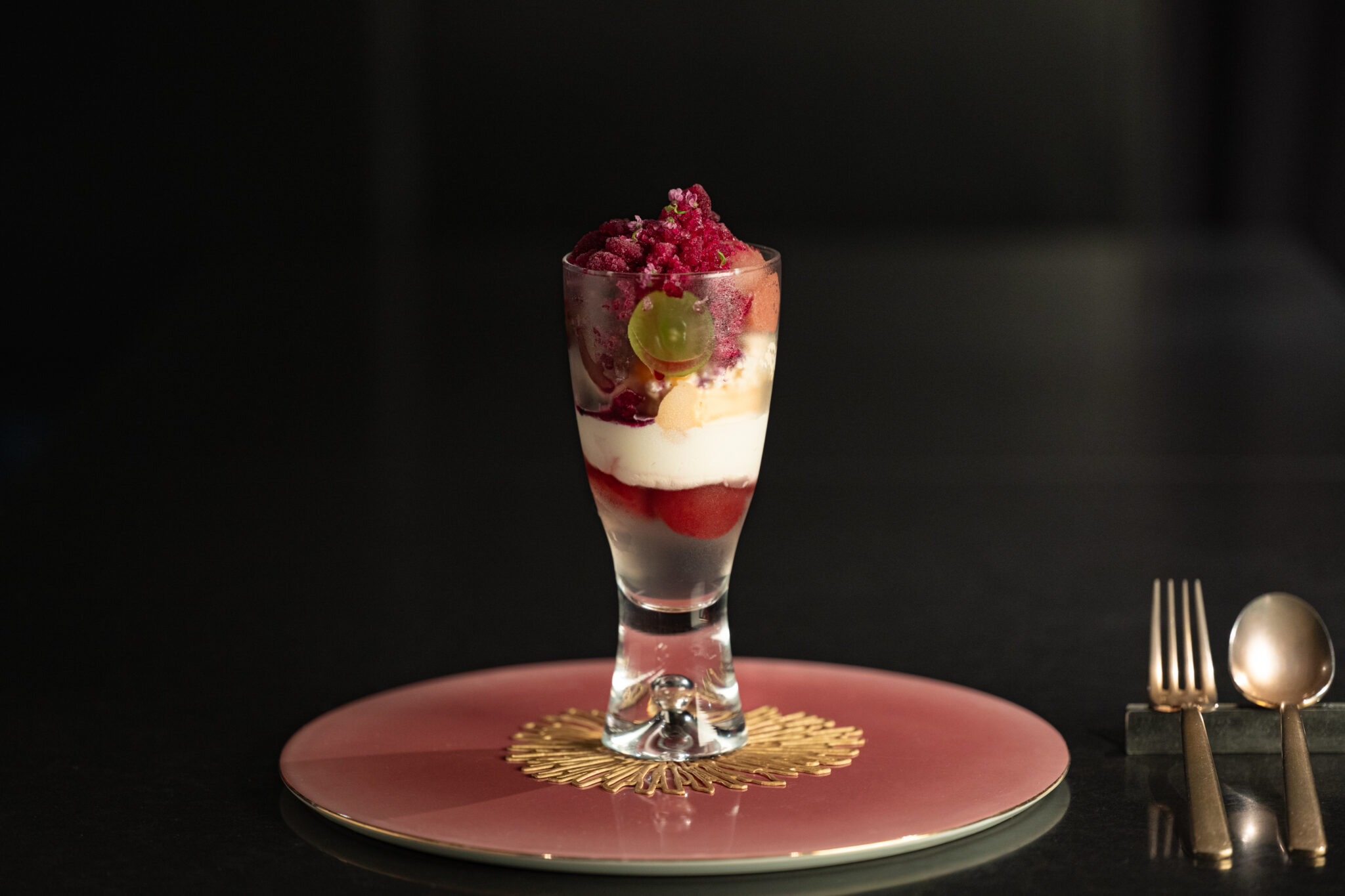
This delicately layered parfait embodies Miyata’s wish for guests to enjoy every last bite. It lets you fully appreciate the natural sweetness of seasonal fruit while finishing with a clean, refreshing aftertaste.
The plums used in the plum wine jelly come from a family farm in Kumamoto, the hometown of her husband, Chef Takashi Ikeda.
The homemade rum raisins are made from Black Beat and Nagano Purple grapes sourced last year, semi-dried, soaked in rum, and aged for a full year. They say that they are already preparing another batch for next year.
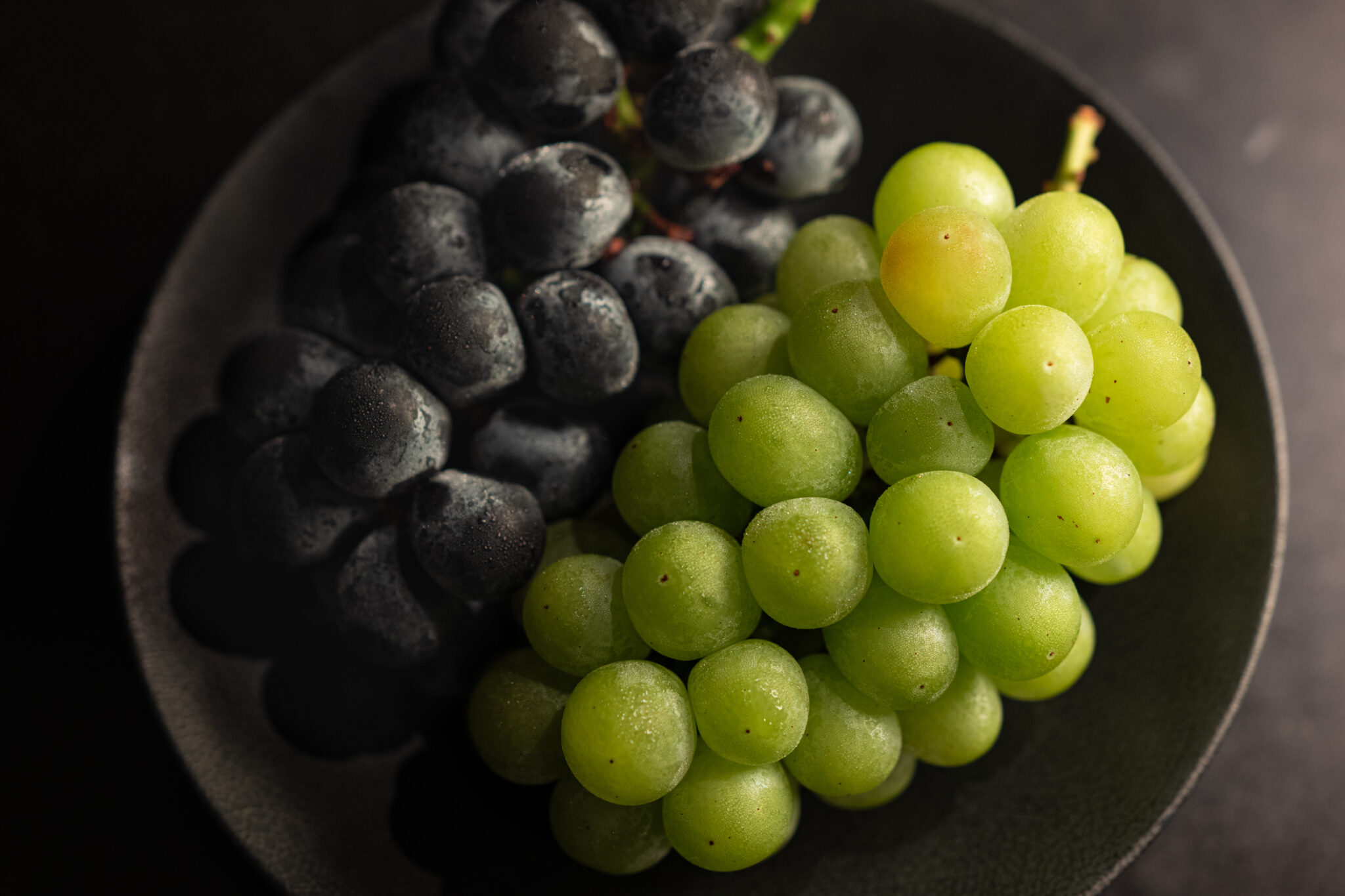
Miyata says she feels a strong responsibility to bring out the very best in the fruits she uses, because each one is so carefully grown by the farmers who cultivate them.
“I think it’s important to meet producers in person and understand the environment and methods behind their work. Rather than buying through markets or distributors, I prefer to visit the farms myself.”
She always takes a dessert she made as a gift to the farmers. “When I present them with a sweet crafted from their own fruit, they’re always delighted. It creates a genuine sense of collaboration.”
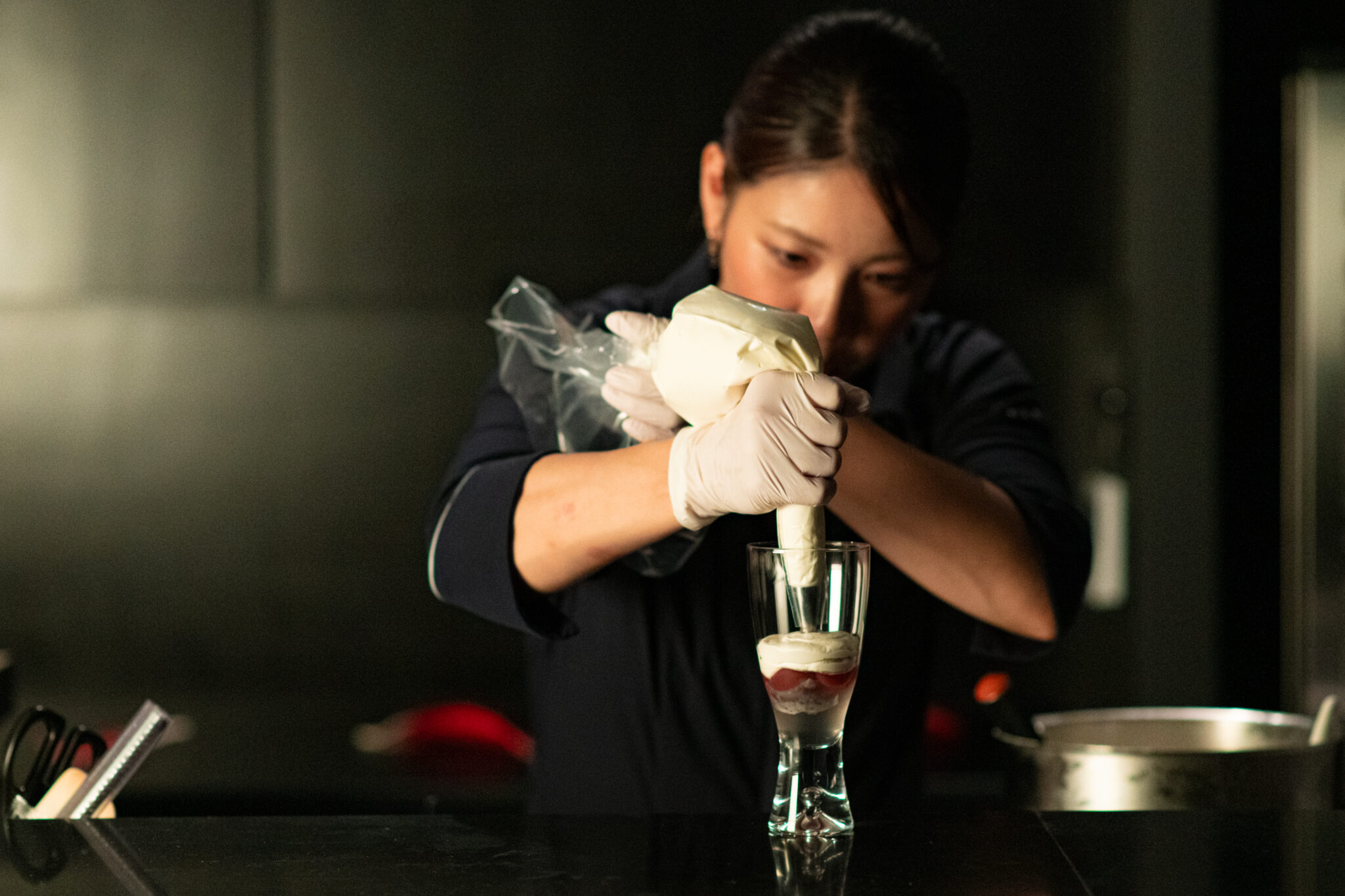
One element Miyata pays close attention to when creating parfaits is the balance of acidity.
“Parfaits are inherently sweet, so I always incorporate some form of acidity to bring out the natural sweetness of the ingredients,” she explains.
“For example, pairing sweet figs with crème brûlée can make the overall flavor feel quite heavy. But by adding acidity through rhubarb, the dessert instantly becomes more balanced and the fig’s sweetness is actually enhanced.”
Freshly Made Shortcake that changes the definition of dessert
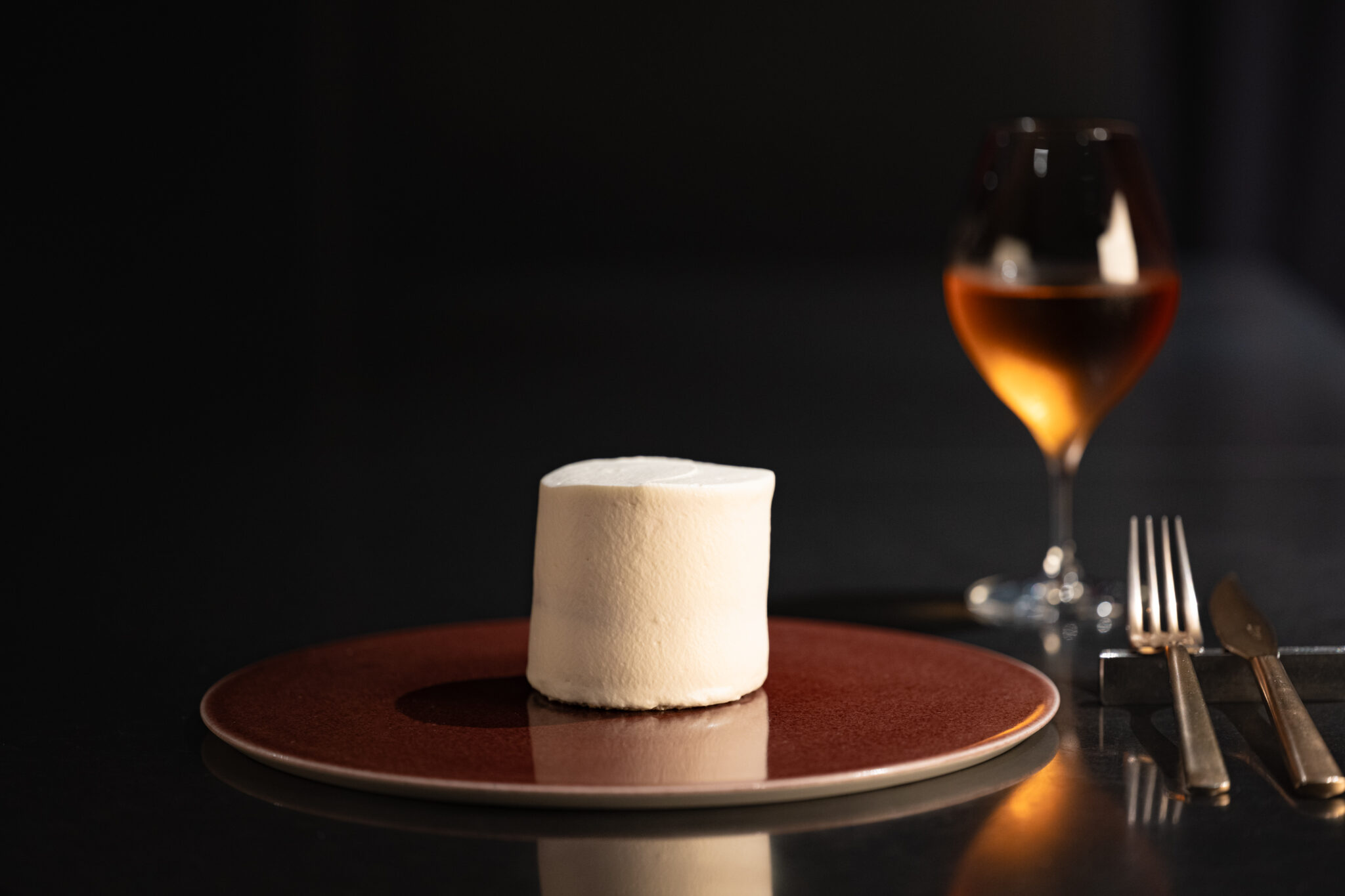
Along with parfaits, another signature item offered at Pâtissière MAYO is their Freshly Made Shortcake made with seasonal fruit. For Miyata, this is the dish that changed her definition of desserts.
“Before I opened this shop, a friend asked me to teach a baking class for kids, so we made shortcakes. After baking the sponge and whipping the fresh cream together, the kids all said they wanted to eat it right away, without chilling it in the fridge.”
“Reluctantly, I let them try it, even though the sponge was still warm and the cream hadn’t been chilled. The children were delighted, shouting, ‘This is so good!’”
“As a pâtissière, I thought, there’s no way, and tasted it myself. I was honestly shocked.”
“That’s when I realized this could be a new form of assiette de dessert—a style of serving desserts freshly prepared and plated.”
After that experience, Miyata decided to add freshly made shortcake to her menu, and it has remained one of the most popular items since the shop opened.
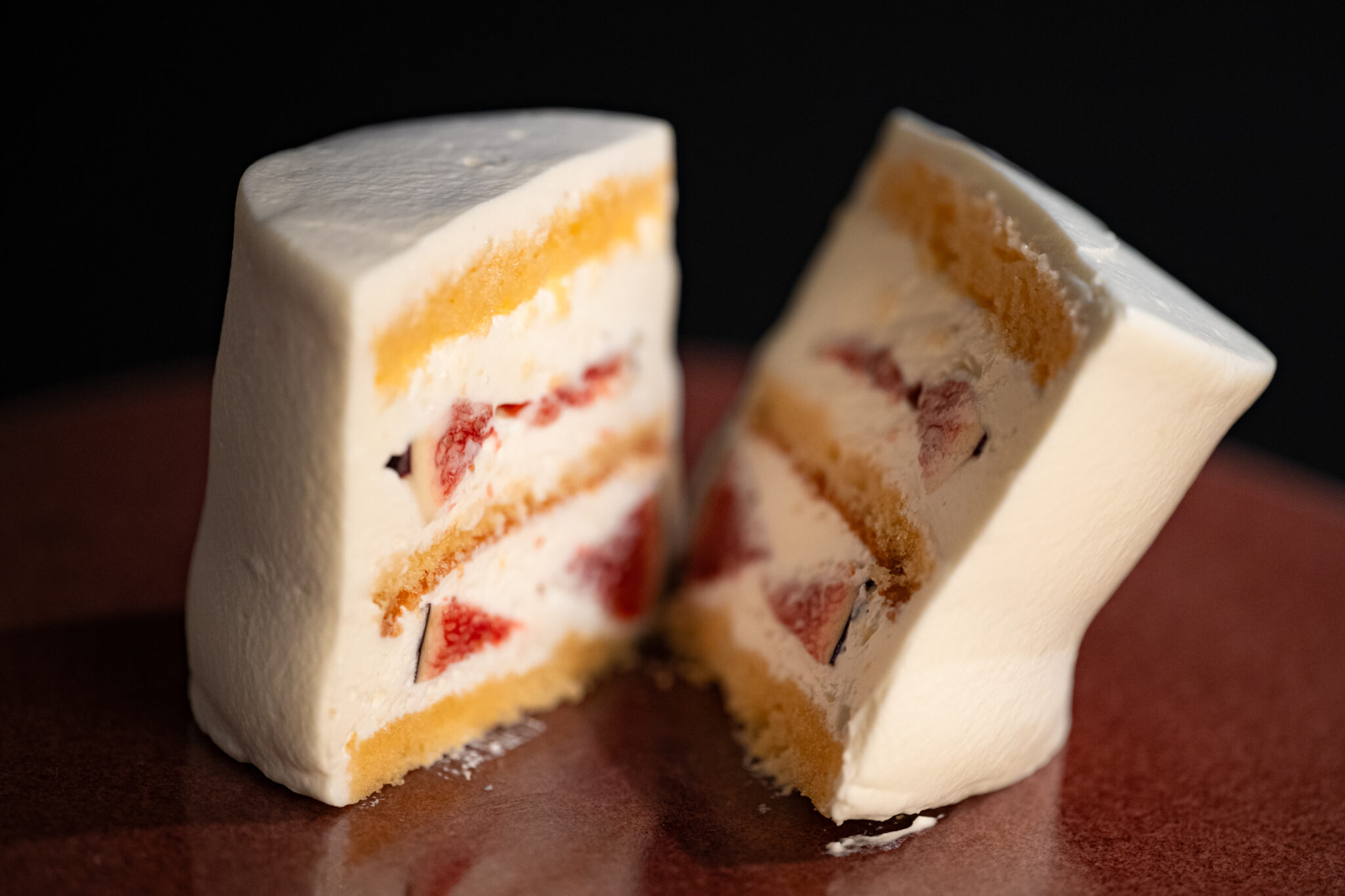
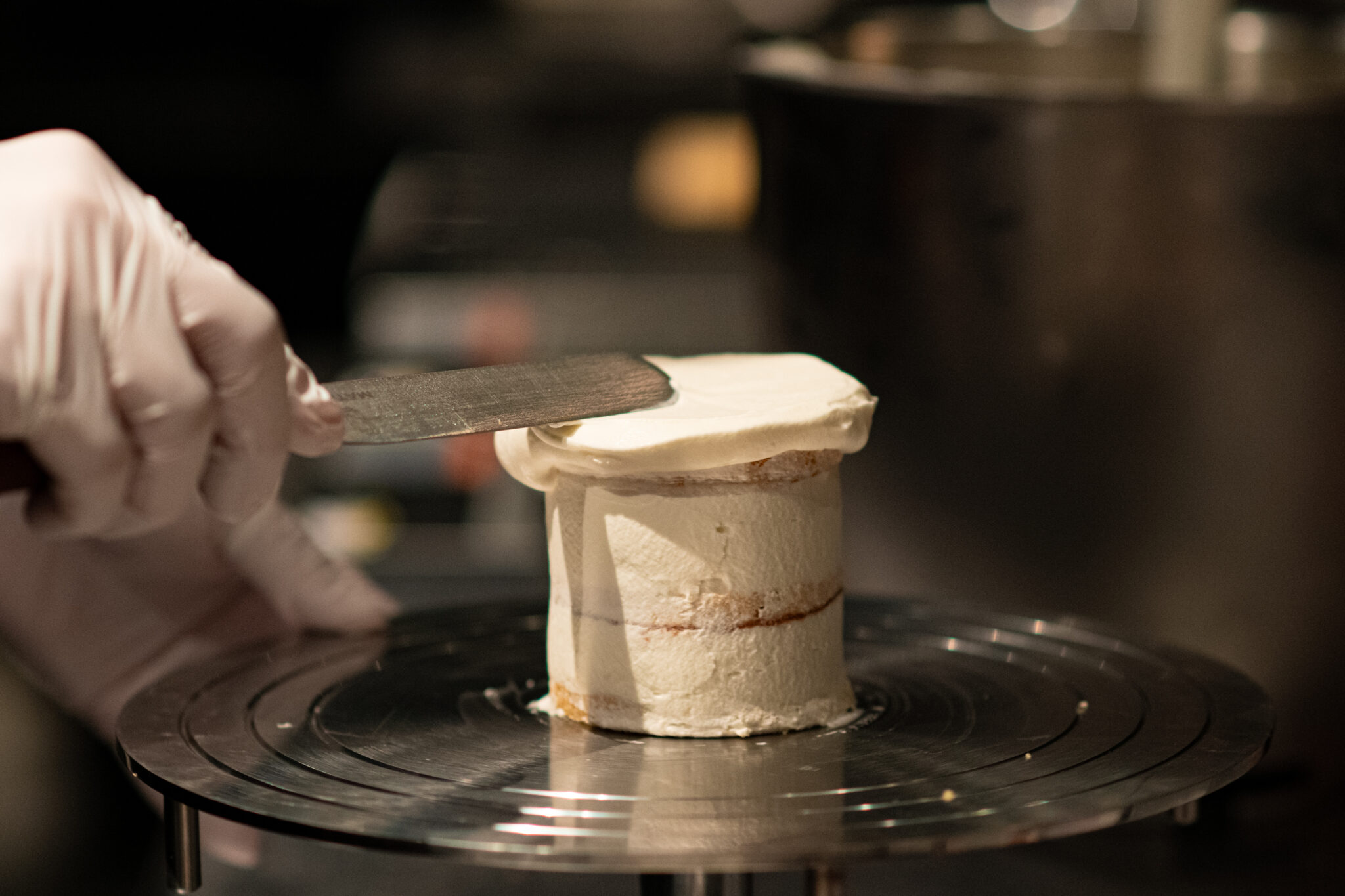
The sponge cake has a fine, delicate texture with a rich egg aroma and a soft, airy feel on the palate.
When you cut into it, you’ll notice slight gaps between the fruit and the whipped cream, proof that it was assembled moments before serving. It’s a fleeting kind of deliciousness, a flavor and texture that can only be experienced in that very moment.
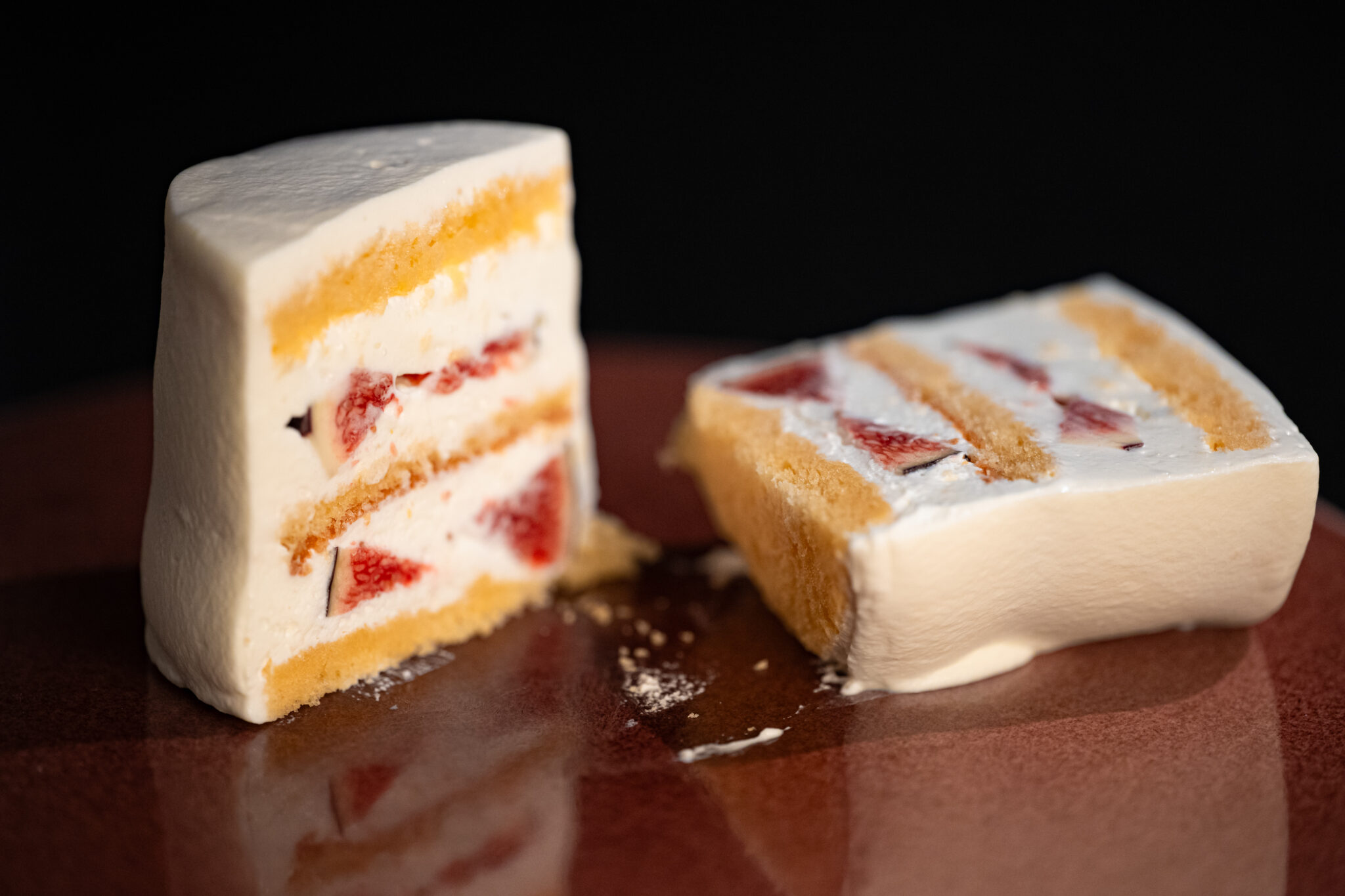
Because the cake is so soft and airy, it collapses the moment you cut into it, but that fragility is part of its charm.
Miyata uses only six ingredients in the sponge cake she bakes each day. While adding more ingredients could help stabilize the structure, she insists, “Shortcakes are better when they’re simple, so I don’t compromise.” If she notices even the slightest inconsistency in the sponge, she starts over and bakes a fresh one.
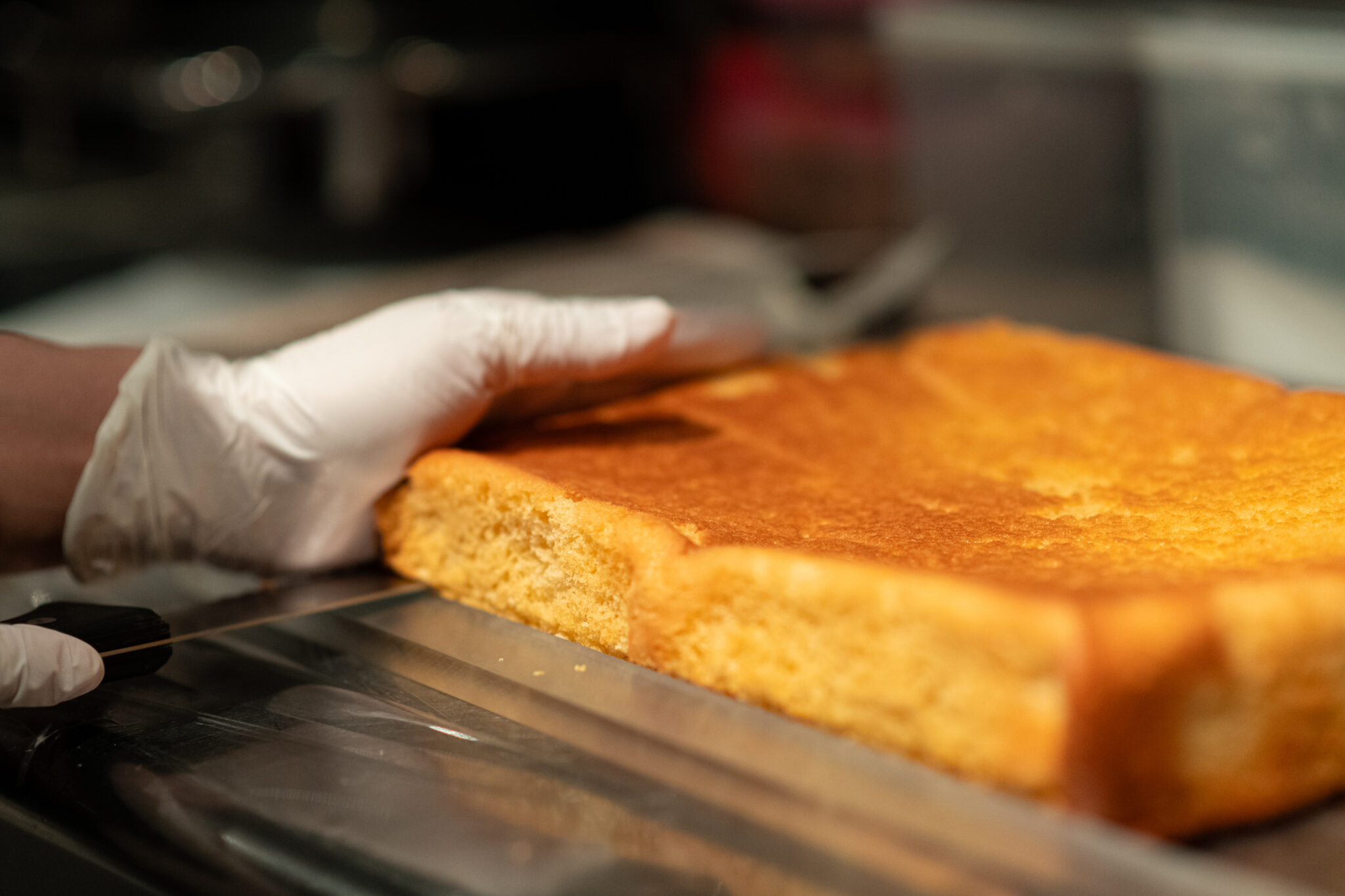
Depending on the season, the shortcake is made with fruits such as mango, strawberries, or figs. If Miyata feels that the balance of sweetness, acidity, and texture is even slightly off, she simply doesn’t offer it on the menu that day.
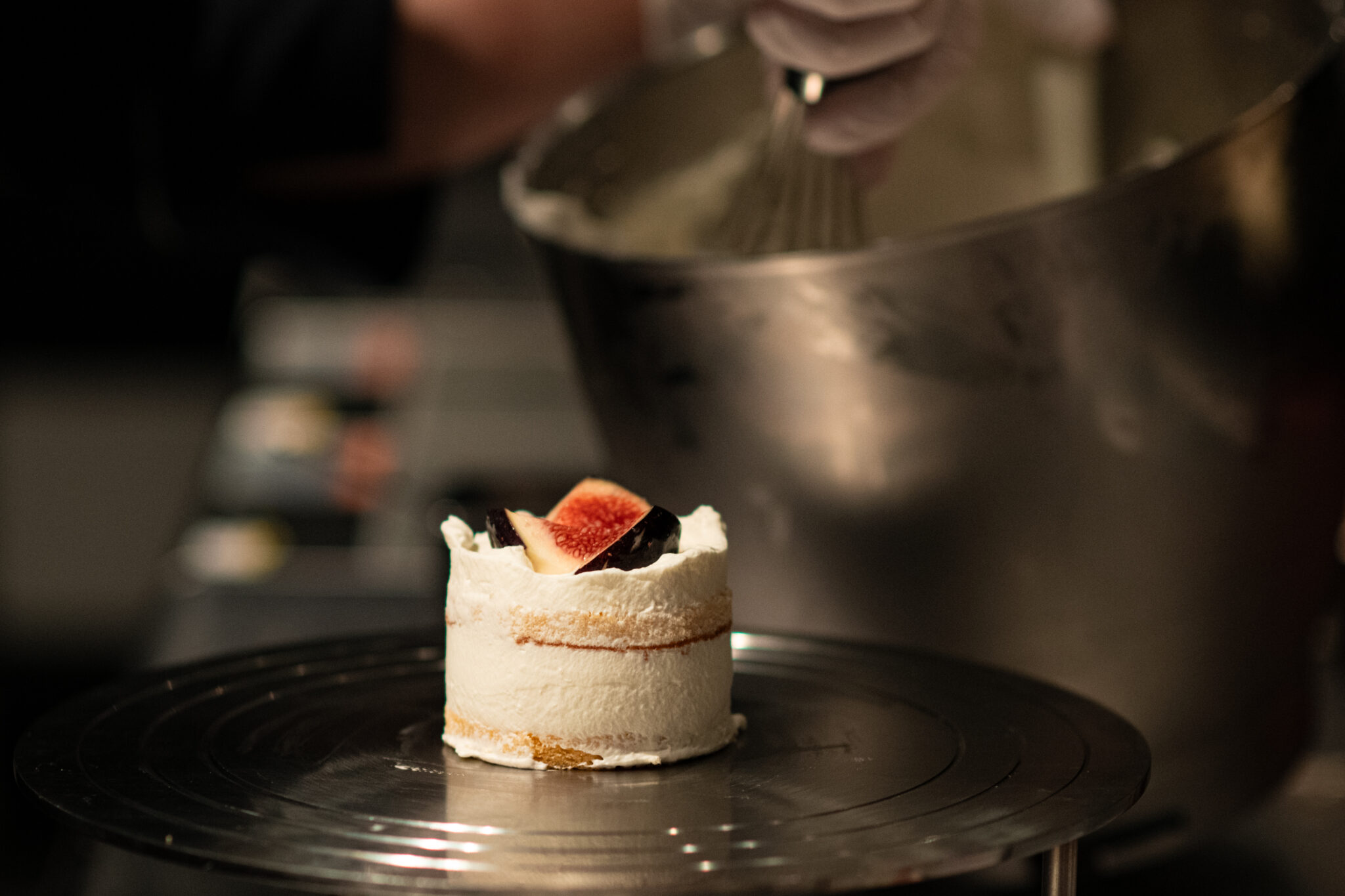
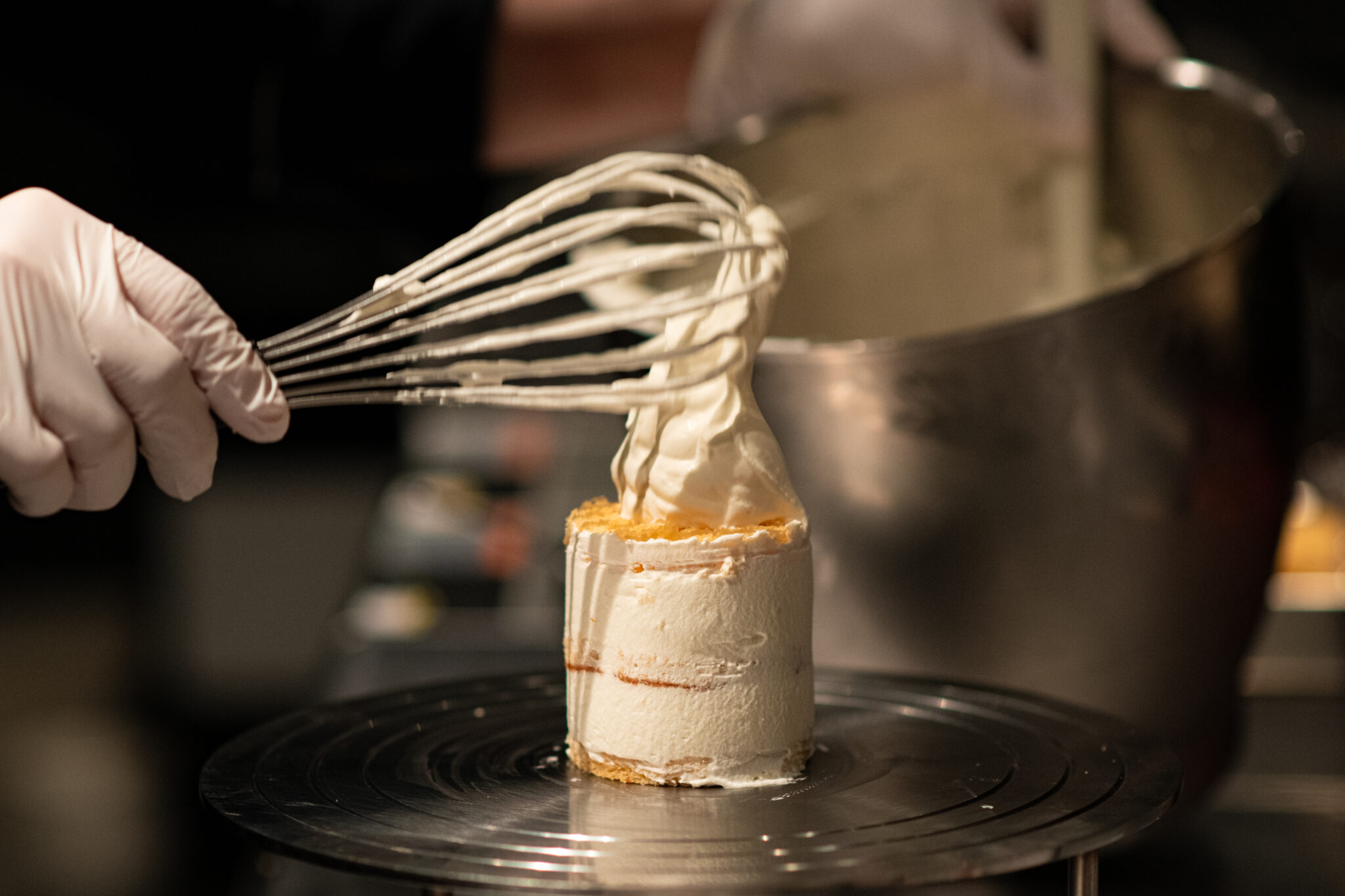
Overly whipped fresh cream can cause the fat to separate, altering its flavor and making it greasy in texture, so Miyata makes sure to whip the cream herself everyday. She also fine tunes the cream’s consistency to match the type of fruit, temperature and weather conditions of the day.
Dozens of notebooks for recipes collected since the age of twenty
Miyata explains that her ability to design parfaits has been deeply shaped by her restaurant experience, not only as a pâtissière, but also as a server who described dishes to guests, communicated with bartenders, and even learned how cocktails are made. The way she layers flavors and combines fruits comes from this unique blend of professional experiences and her own intuitive sensibilities.
“When I come up with new recipes, I often pull out my old notebooks for reference and inspiration,” she says. She showed us a stack of dozens of notebooks, filled since her early twenties and still updated to this day.

“These notebooks are not just for recipes. I also record various ideas and ratios for combinations of ingredients in both writing and in drawings. I remember most things visually and in pictures, so when I want to remember a certain ratio, such as the ratio of ricotta cheese for a certain recipe, I remember where I sketched it in one of these notebooks.”
“If I make the recipe according to my notes exactly, it won’t reflect the current style of Pâtissière MAYO, but over time these notebooks have become a personal treasure for me.”
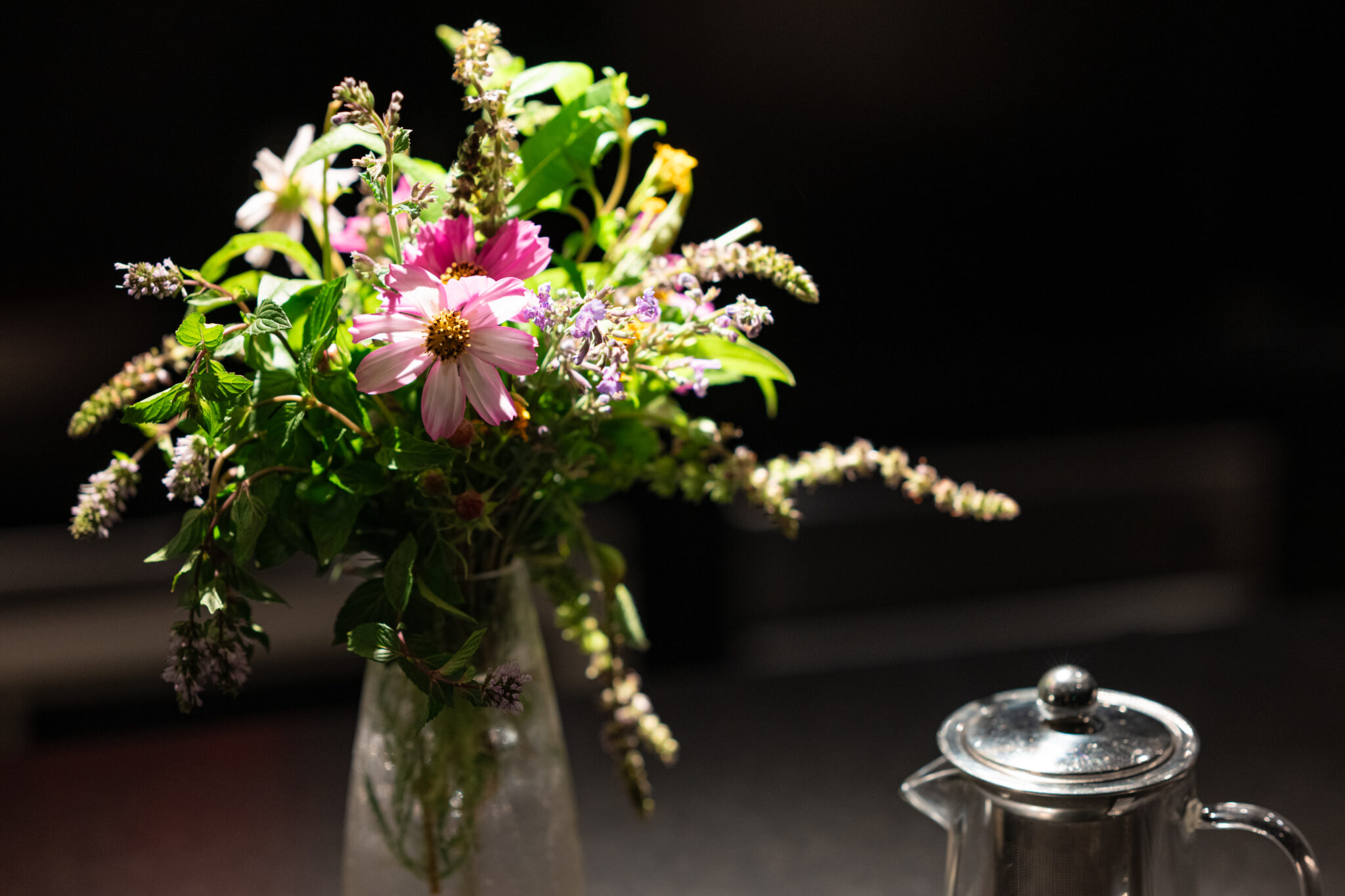
A masterpiece in the shape of a parfait
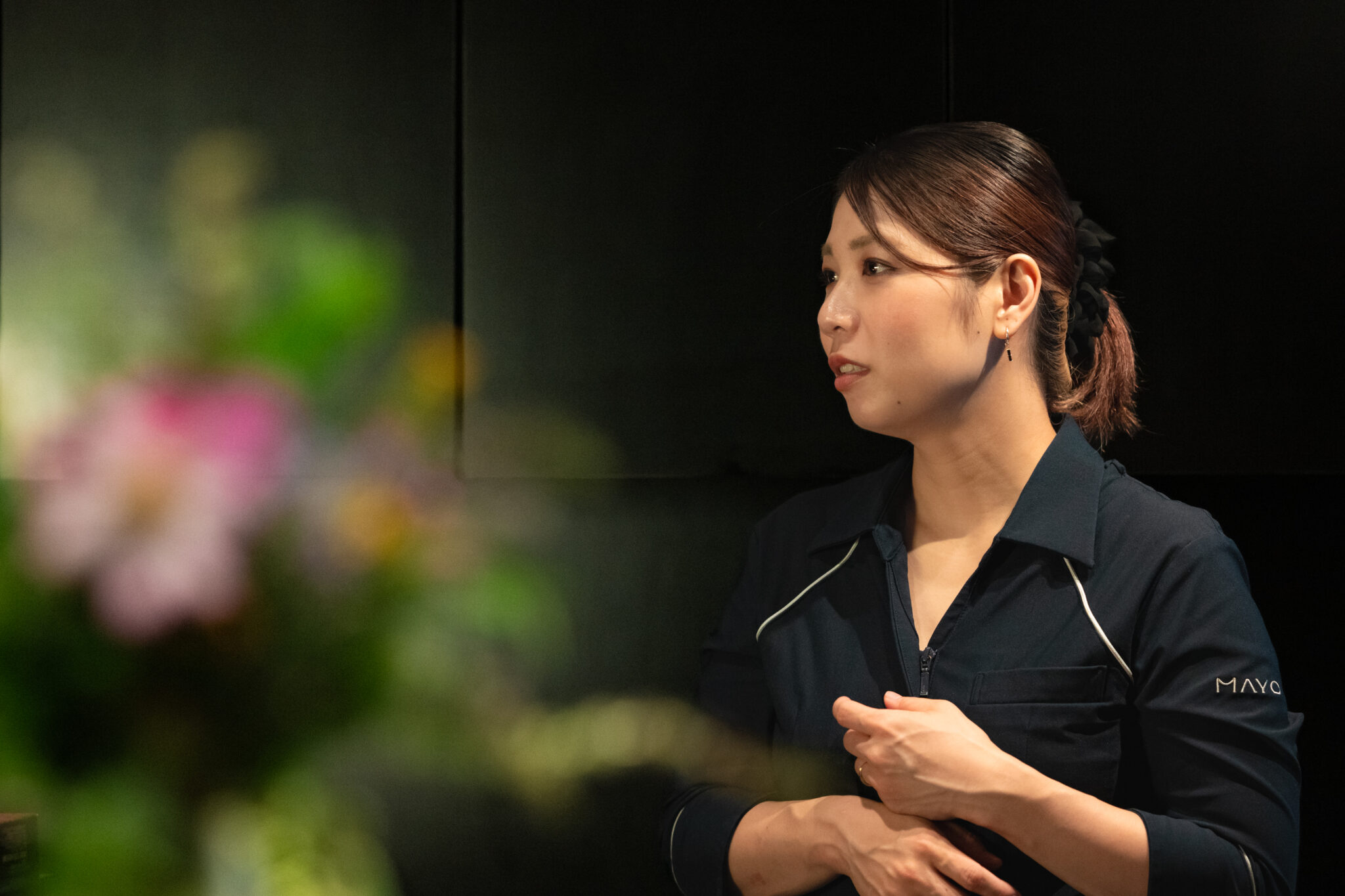
Miyata says, “Actually, I didn’t grow up wanting to be a pâtissière.”
“My original dream was to become a hairdresser. I attended a school that offered a wide range of specialized courses, and after taking several career assessment tests, the results suggested that becoming a pâtissière suited me best. It wasn’t so much that I loved sweets, but more because it seemed to be a career choice that suited me best.”
“I grew up in Kobe, a city with a rich culture of baked sweets. On weekends, my family would visit cake shops together to pick out treats to enjoy at home. With all the different cake shops around town, baked goods and cakes were always a very familiar part of life for me.”
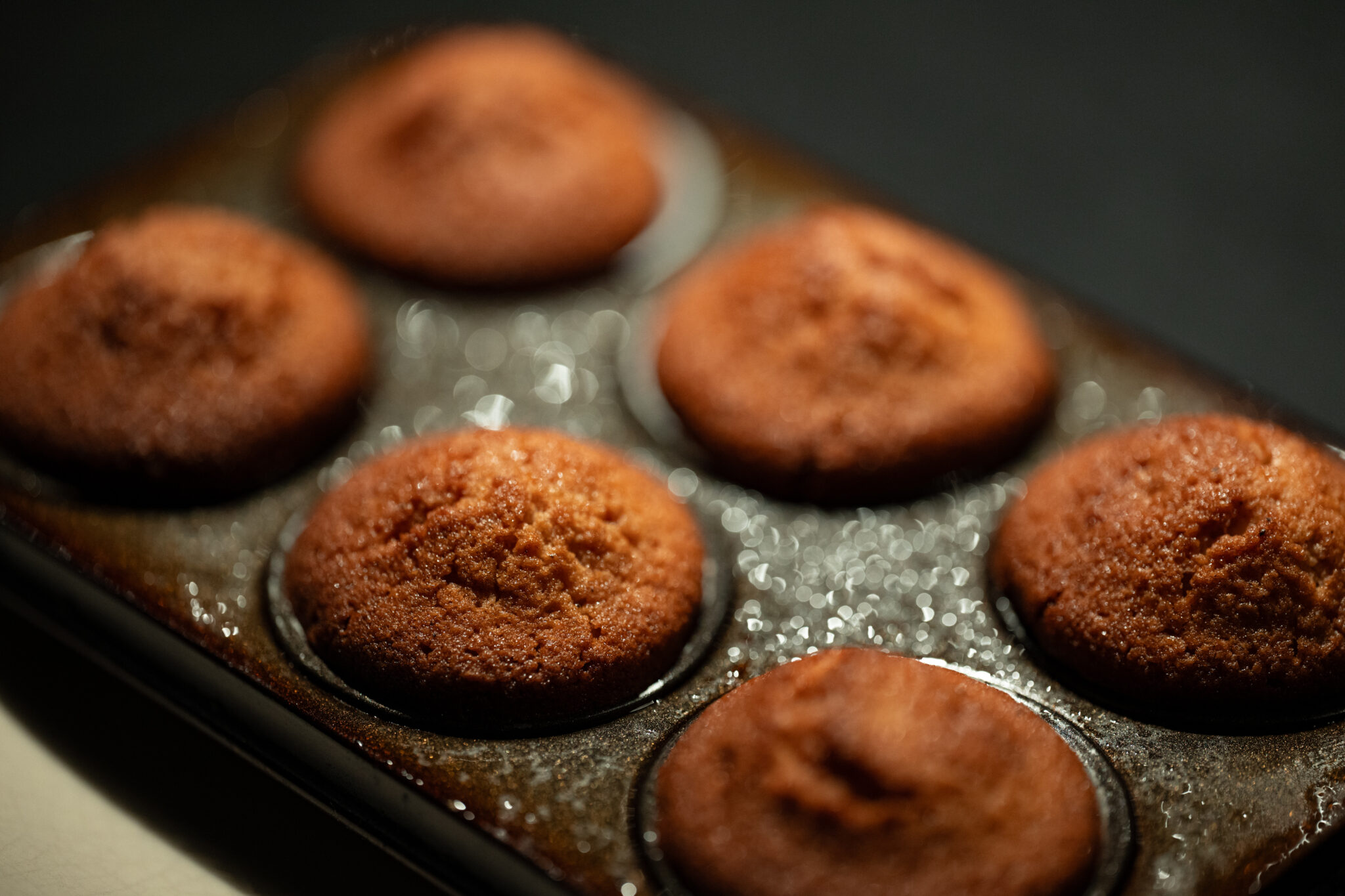
“Ever since elementary school, I’ve always excelled in electives like music, art, and calligraphy, rather than in academic subjects. I think creating parfaits and desserts is a natural extension of that part of me.”
“Creating a parfait involves combining flavors to create a three-dimensional piece, just like using clay to create a sculpture. For me, making sweets is my ultimate form of self-expression.”
After years of honing her skills and refining her palate, Miyata now creates innovative and masterful parfaits.
“I’m currently working on fig and white miso ice cream. When I first considered what ingredient would pair with figs, the image that came to mind was almost like an equation: ‘fig + white miso = perfect.’ When I explain this process to people, some say I’m a little weird,” she laughs.
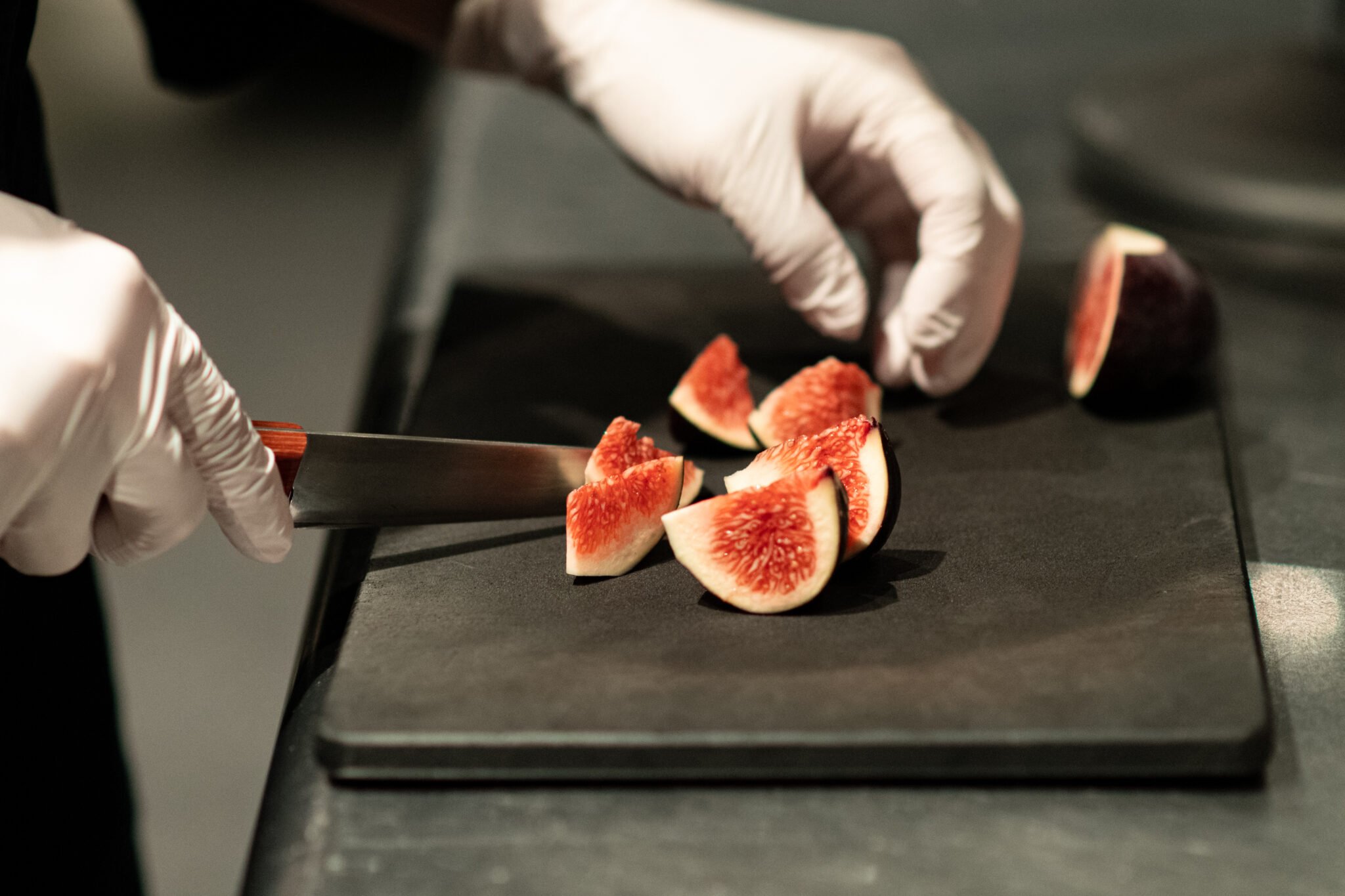
“I see my parfaits and cakes as my own creations so when customers enjoy them, it feels like I am sharing something very special with them.”
The sweets that Miyata creates also carry a unique shikohin charm.
“Shikohin, or luxury items, are not necessities in life and the same is true for the sweets I make, yet I feel they bring joy, enrich life, and nurture our emotions.”
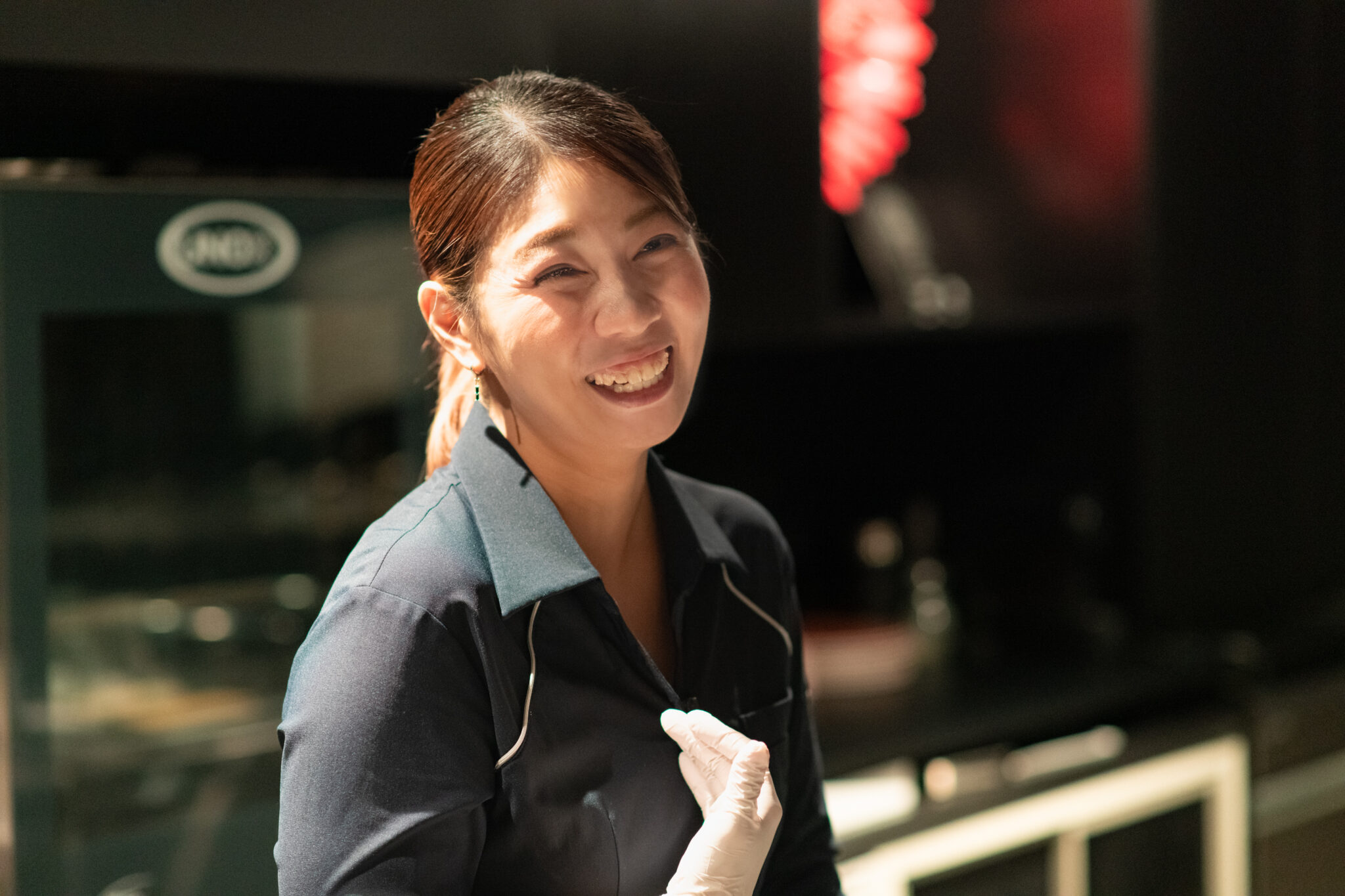
“Many regulars visit after a long day at work or when something is troubling them. I’m glad that the sweets I create can help them feel uplifted and refreshed.”
Translation: Sophia Swanson
After taking a food sensory test during university and discovering a keen sensitivity to “umami”, she traveled for food in and out of Japan for 25 years. While working at a publishing company, she was in charge of the gourmet food section of a fashion magazine. Later, she worked for an informational magazine before becoming independent in 2013. Now she writes articles and has a series on food for online and printed mazagines.
Editor. Born and raised in Kagoshima, the birthplace of Japanese tea. Worked for Impress, Inc. and Huffington Post Japan and has been involved in the launch and management of media after becoming independent. Does editing, writing, and content planning/production.