Beautiful flowers and fresh, nutritious fruits and vegetables bring color, flavor, and vitality to our daily lives. In recent years, many of us have become more conscious not only of the produce we consume but also of the farmers who grow it.
But where do those farmers get the seeds and seedlings that make cultivation possible?
DIG THE TEA has previously featured a variety of botanical products and the people who produce them. As we continue exploring the future of shikohin (foods and beverages enjoyed for pleasure rather than necessity) we are visiting farms and production sites that are embracing cutting-edge technology and research.
In this first installment, we turn our attention to the producers of seeds and seedlings, the very foundation of flower and vegetable cultivation. Among them is MIYOSHI & CO., LTD., a company renowned for developing numerous award-winning flower varieties and one that commands a significant share of the global market.
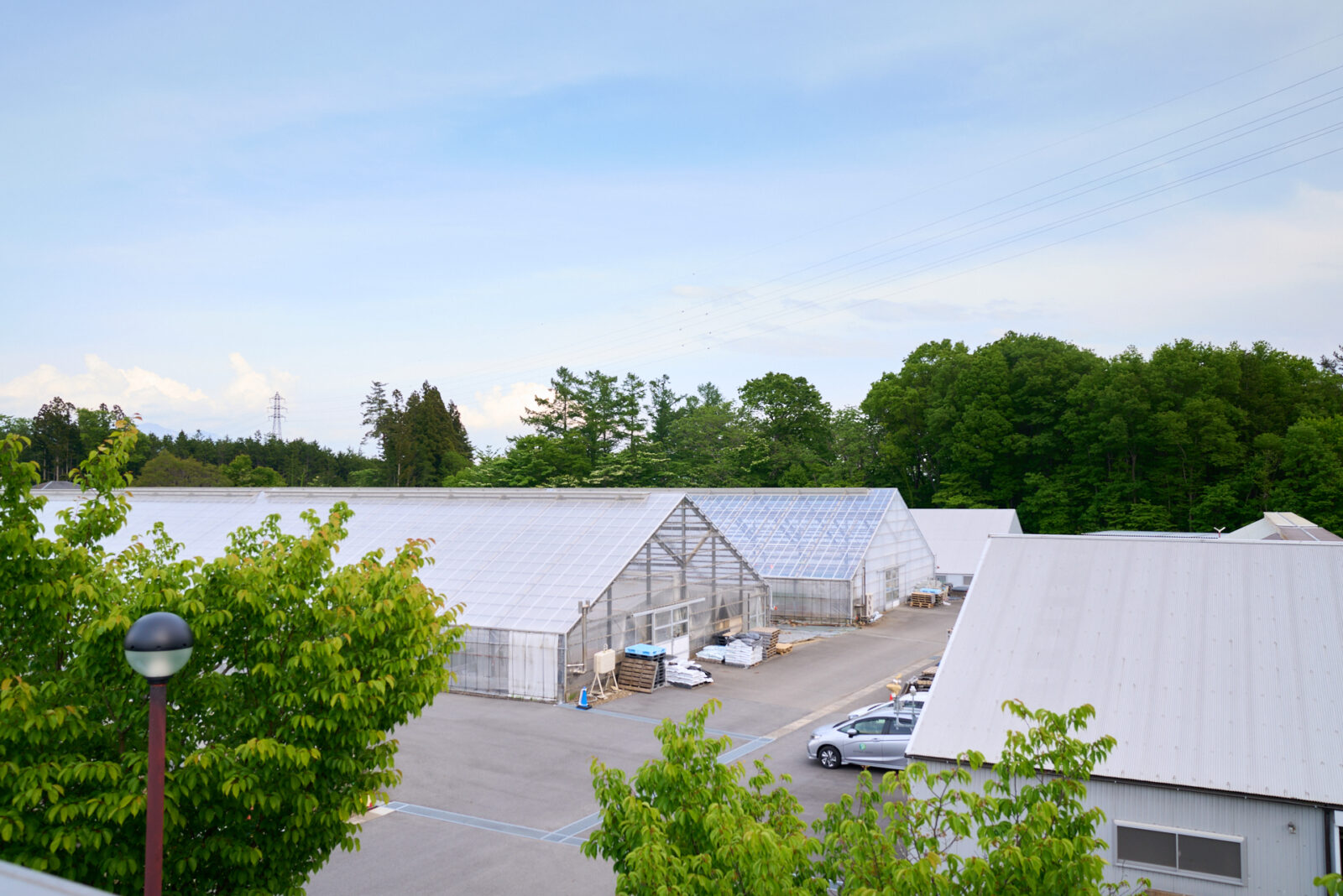
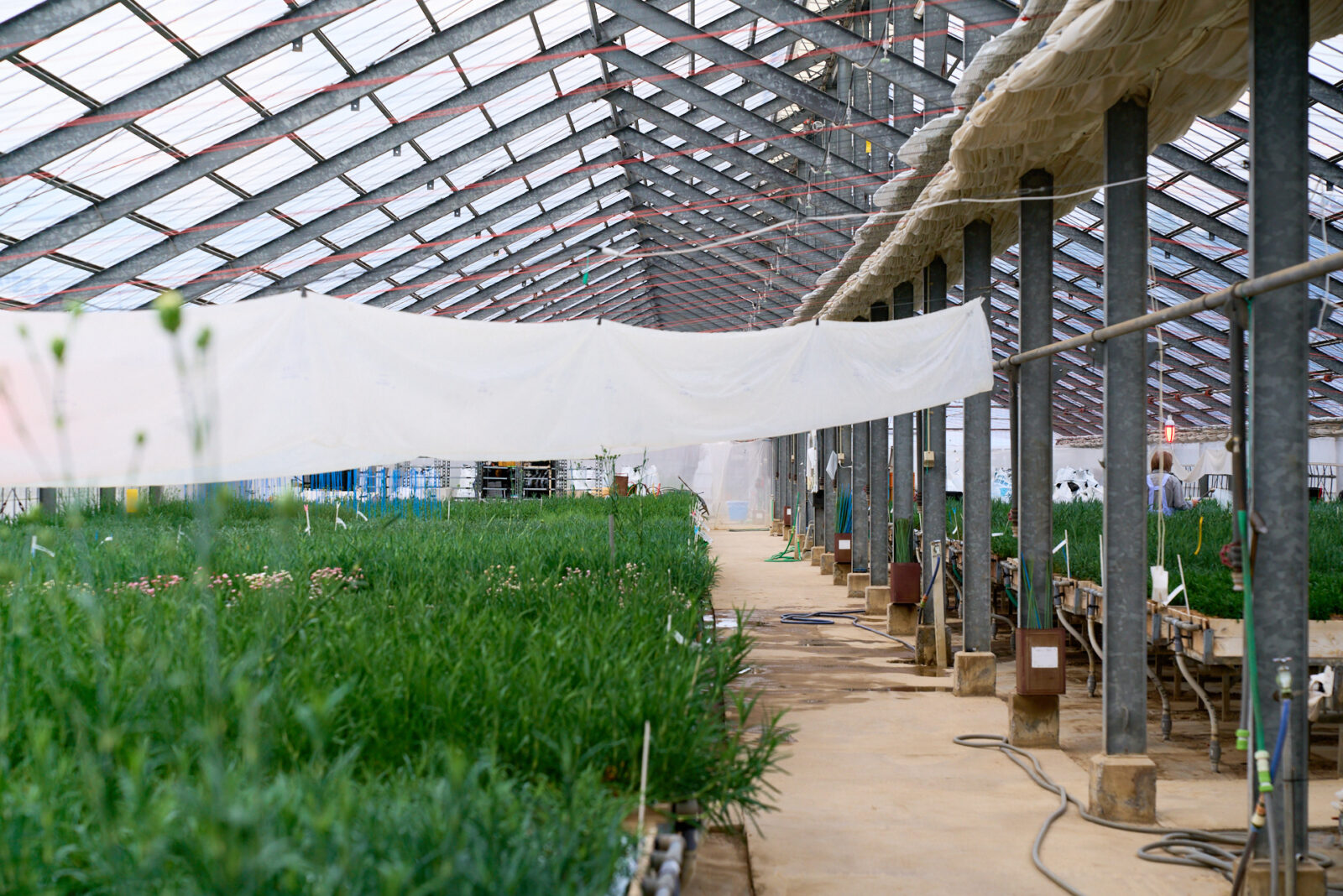
Miyoshi’s seedling farm is located in Kobuchizawa, Yamanashi Prefecture, an area celebrated for its clean mountain air. Surrounded by high peaks that block humid air from the Pacific, the region enjoys long hours of sunshine during the summer and clear skies for around 80 percent of the winter, creating ideal conditions for raising healthy seedlings.
Producing high-quality seedlings is a time-intensive process. In addition to seedlings, Miyoshi researches the most suitable cultivation methods for different regions, develops plant varieties that can withstand the challenges of a changing climate, and is even working to revive ancient varieties of sakaki, the sacred evergreen plant used in Shinto rituals.
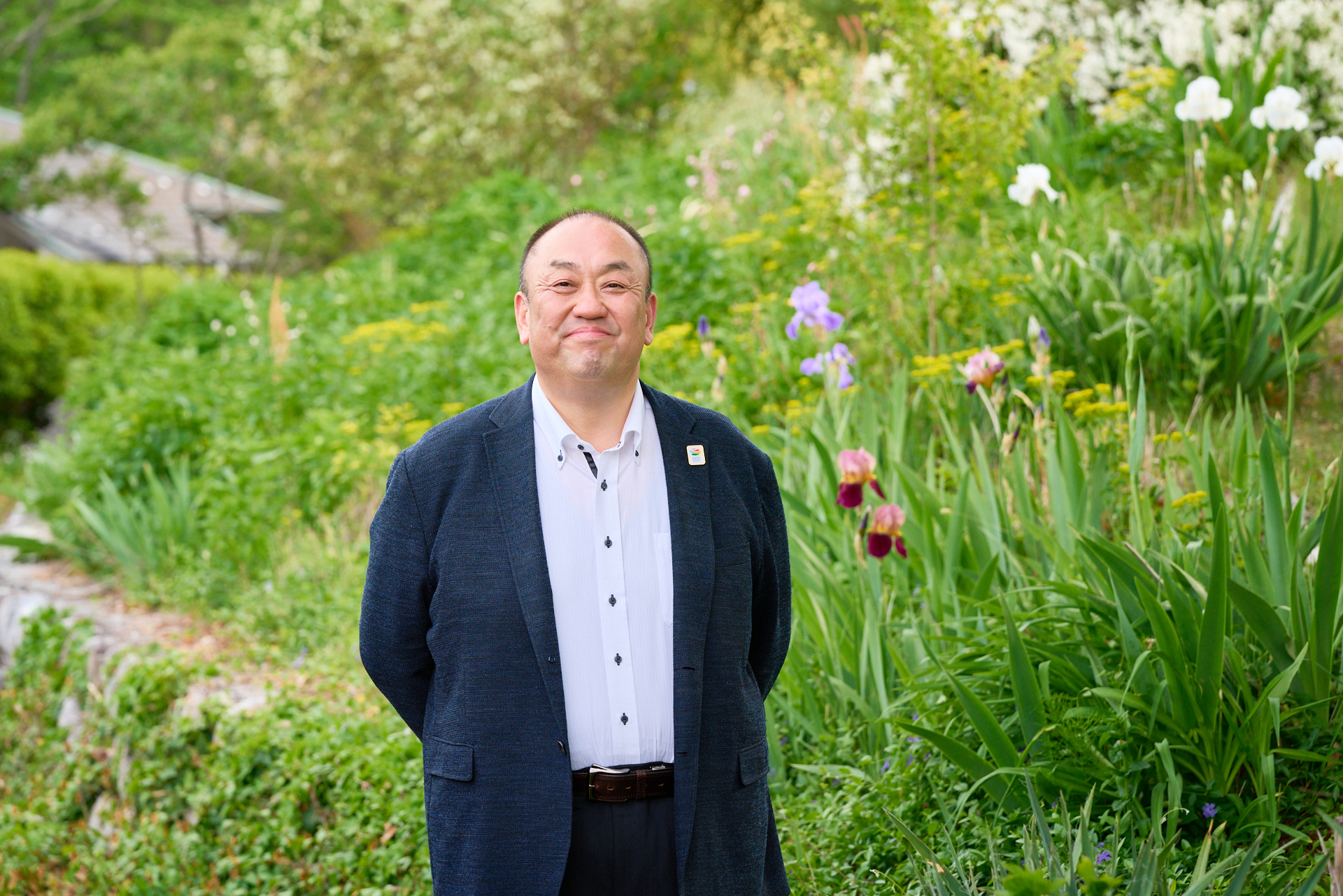
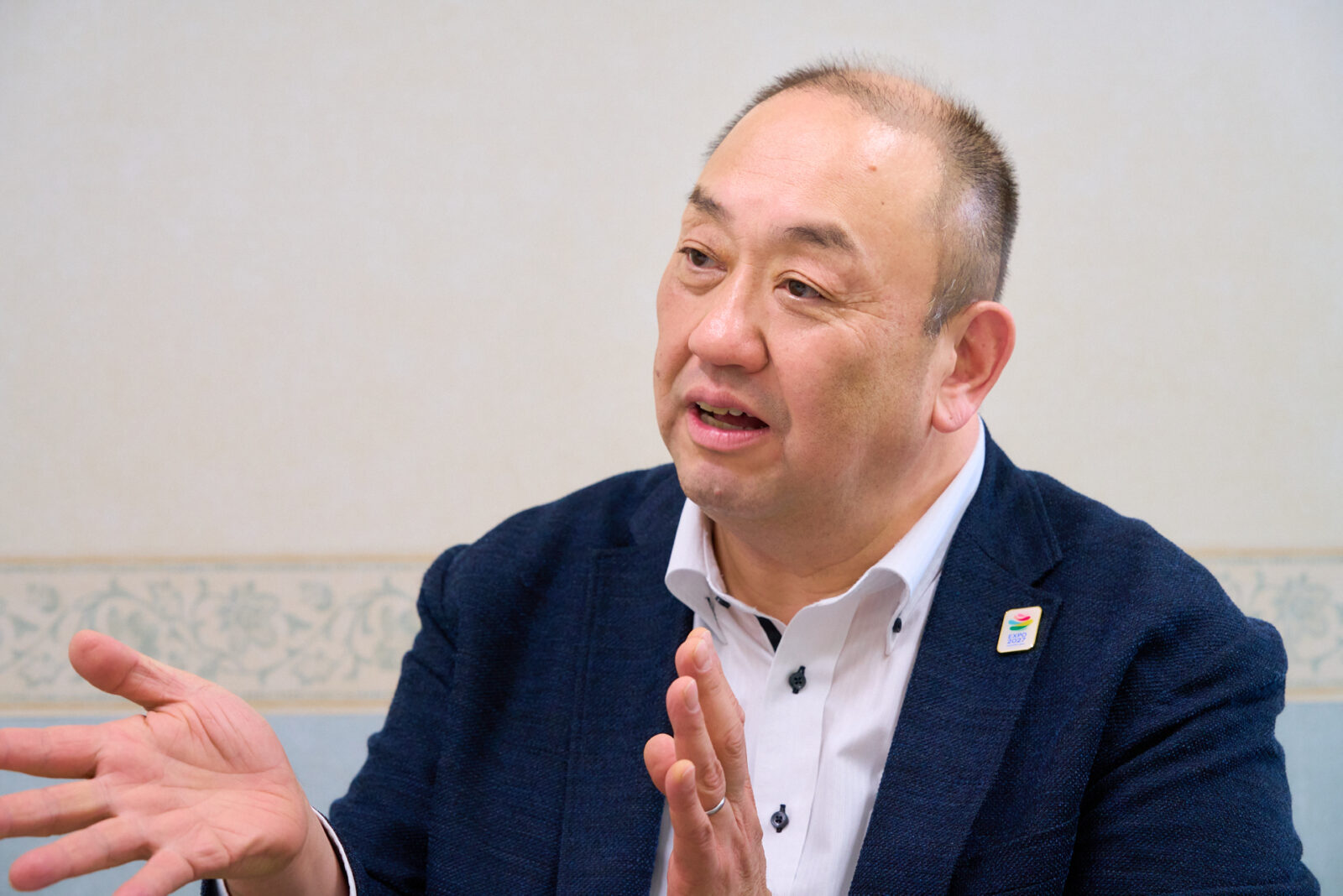
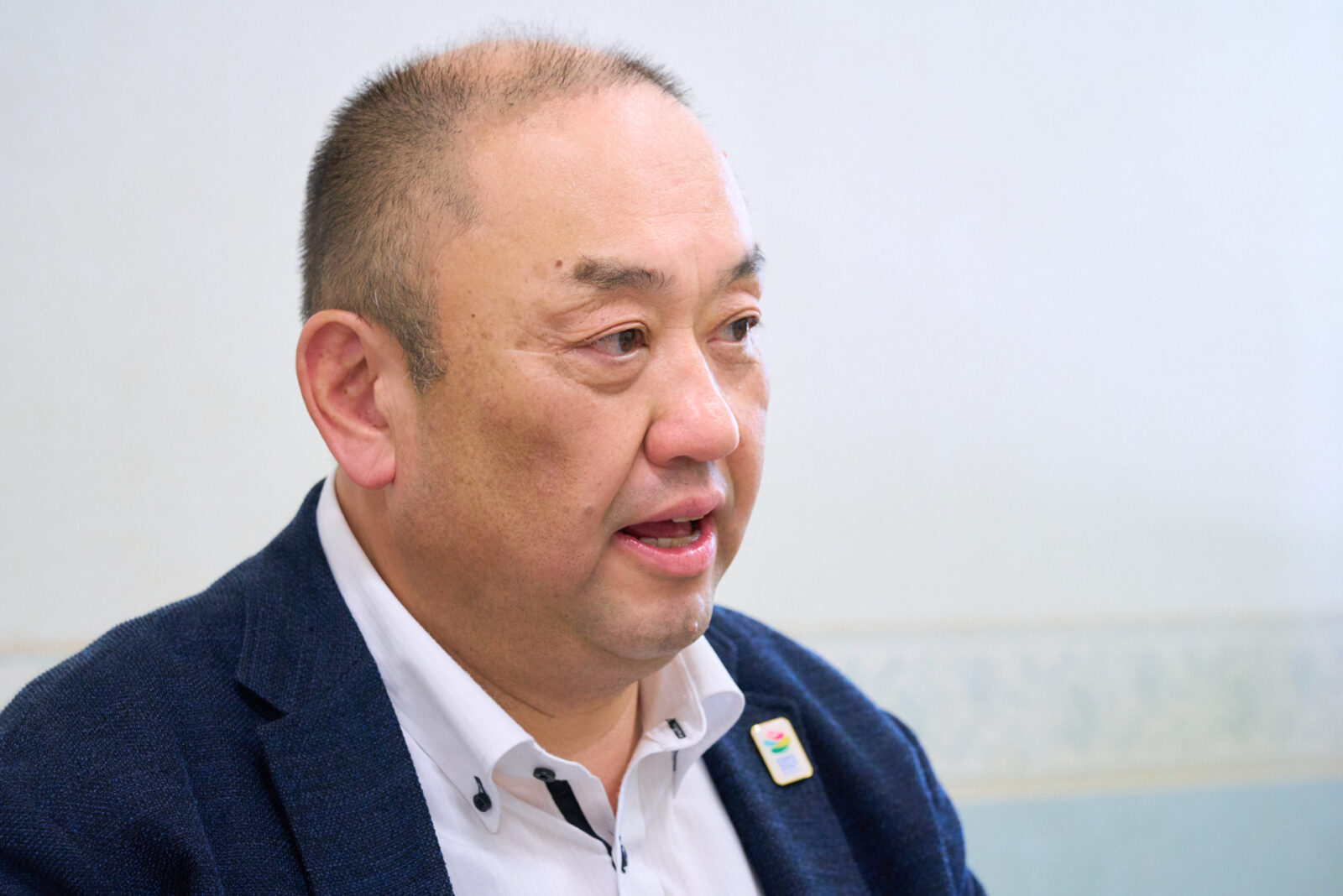
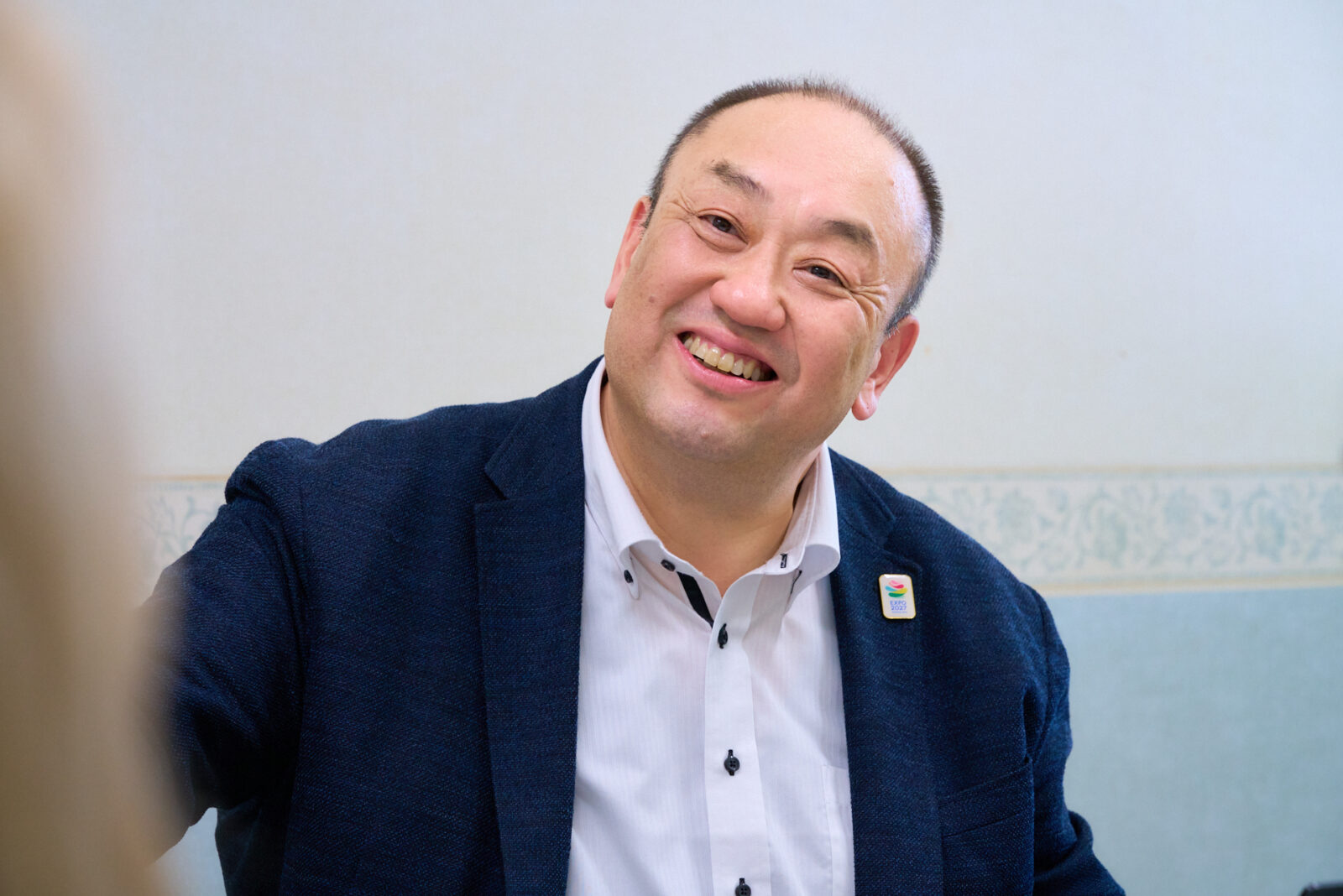
To learn more about these behind-the-scenes efforts, we spoke with Hiroyuki Yoshida, who has spent many years in Miyoshi’s seed and seedling business and now leads the company’s domestic and international sales. He shared how Miyoshi is combining advanced technology with a deep understanding of plants’ natural rhythms to meet the challenges of a changing world.
Japan’s globally acclaimed ornamental flowers
―― Miyoshi is a seed and seedling company with a significant share in the global market. Can you tell us more about the seed and seedling industry?
Seed and seedling companies like ours supply the seeds and young plants that farmers use to grow their crops.
Consumers today are probably more aware of the farmers who grow the vegetables and flowers they see in supermarkets than they were in the past. However, I don’t think many people stop to consider who developed those plant varieties in the first place.
If you see a car, you can immediately identify the manufacturer from the emblem on the front. Flowers and vegetables, on the other hand, don’t carry the name of the company that bred them. As a result, seed and seedling producers like us often remain invisible to consumers.
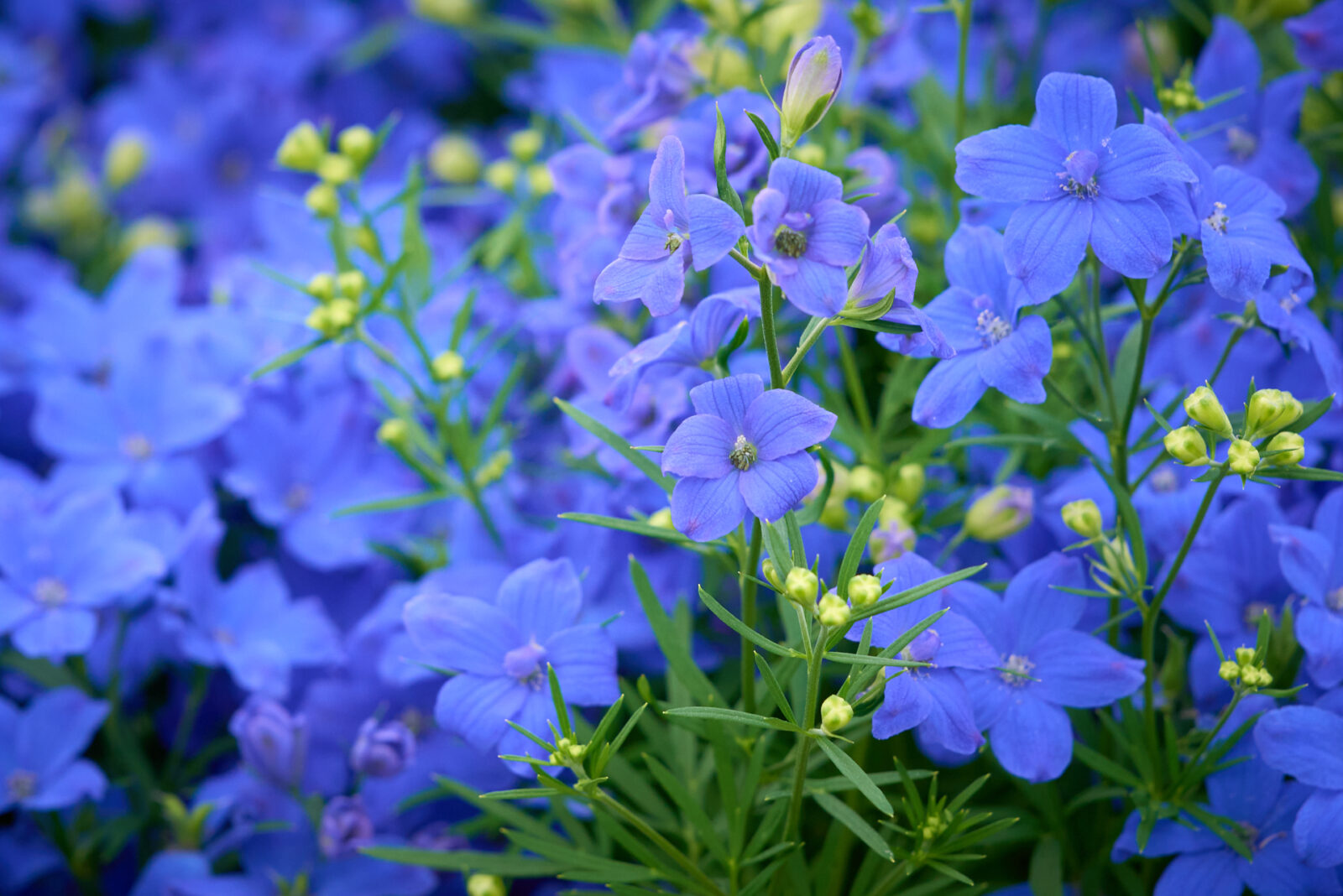
That said, Japanese-bred flower varieties are highly regarded around the world, and many have become industry standards. For example, around 80% of the lisianthus and sunflower varieties traded in the global cut-flower market were developed in Japan. Miyoshi’s varieties of baby’s breath (Gypsophila), statice, and delphinium are also widely grown and highly valued internationally.
Our industry may not attract the same attention as Japan’s automobile industry, but Japanese flower breeding has established a large share in the global market.
―― I always assumed that farmers saved seeds from their harvest to plant the following season. Do most farmers buy seeds and seedlings instead?
Farmers growing heirloom varieties or locally adapted open-pollinated varieties often save their own seeds. However, for most commercially bred varieties available on the market, they mostly purchase from seed and seedlings companies. One reason is that seeds collected on the farm do not always produce plants of consistent quality.
Some plants are particularly difficult to propagate from seed. Others exhibit genetic variation, meaning the next generation will not necessarily inherit the same characteristics as the parent plant. Seeds and planting material can also become infected with viruses or other pathogens.
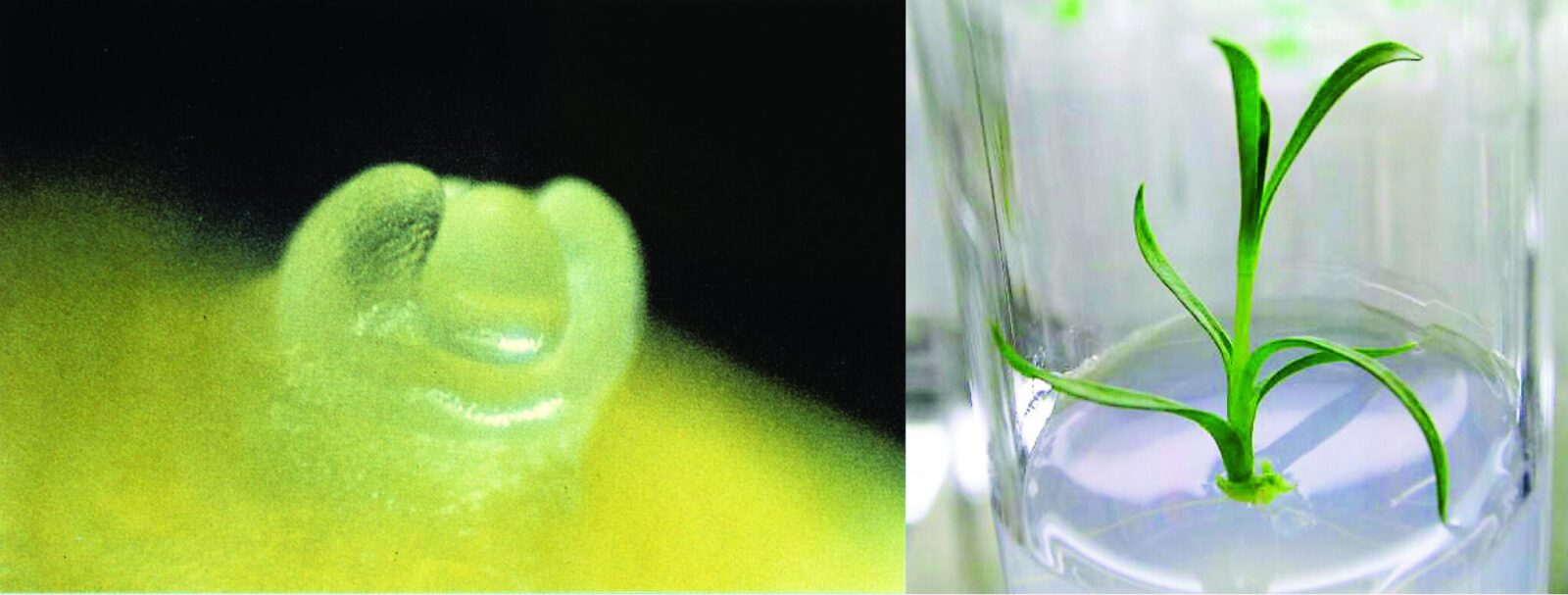
To overcome these challenges, one approach is to use cloning technology to produce seedlings through sterile tissue culture. This technique, known as tissue culture (mericlone), produces healthy planting material that is genetically identical to the parent plant and free from fungal and viral contamination. Like the breeding and development of F1 hybrid varieties, it is an important technology that supports farmers by ensuring a stable supply of high-quality seeds and seedlings.
Mericlone, a production method that mass produces virus and fungus free cloned seedlings
―― — As one of the leading seed and seedling companies, Miyoshi is particularly well known for its mericlone technology. Could you explain how it works?
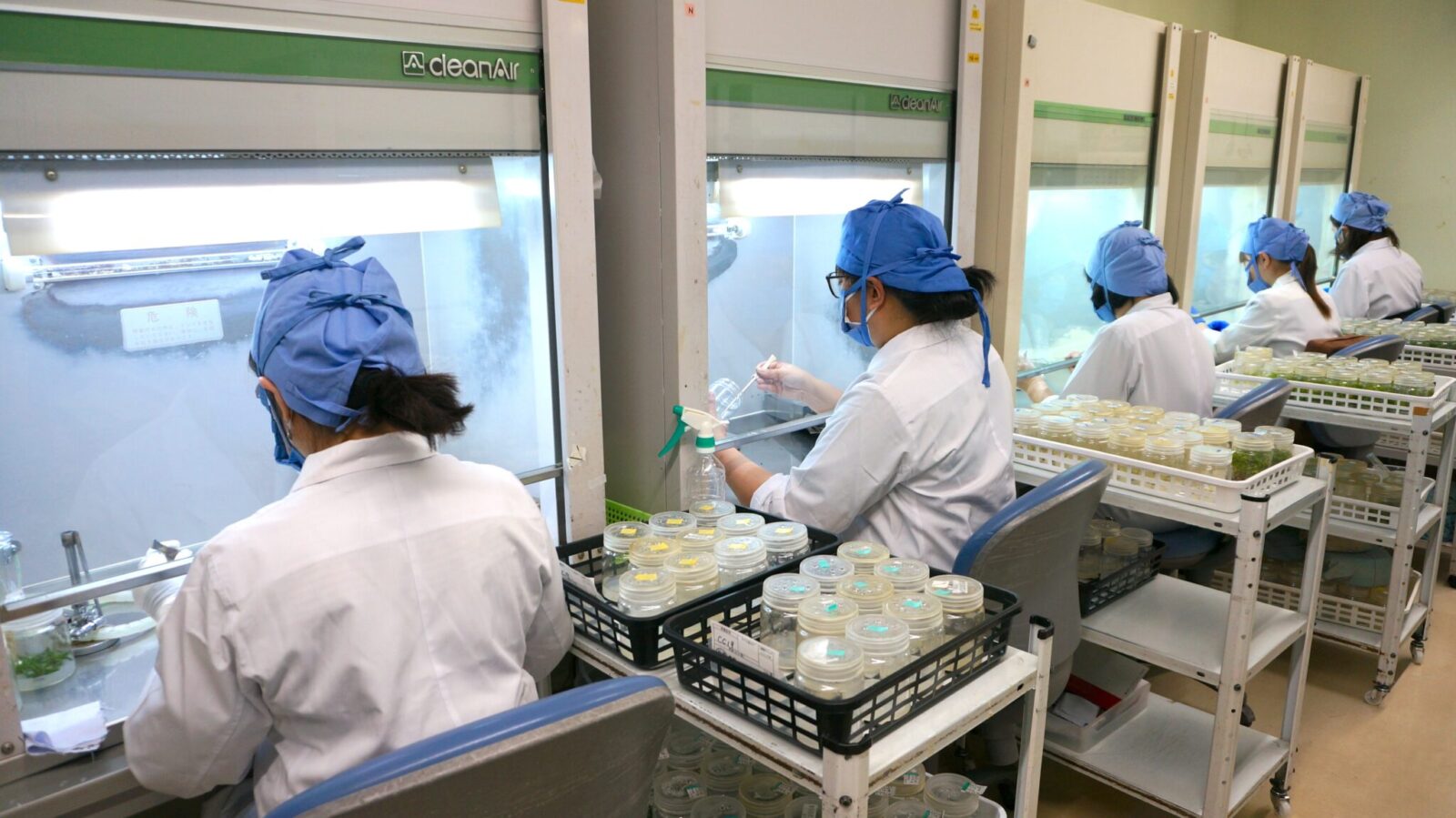
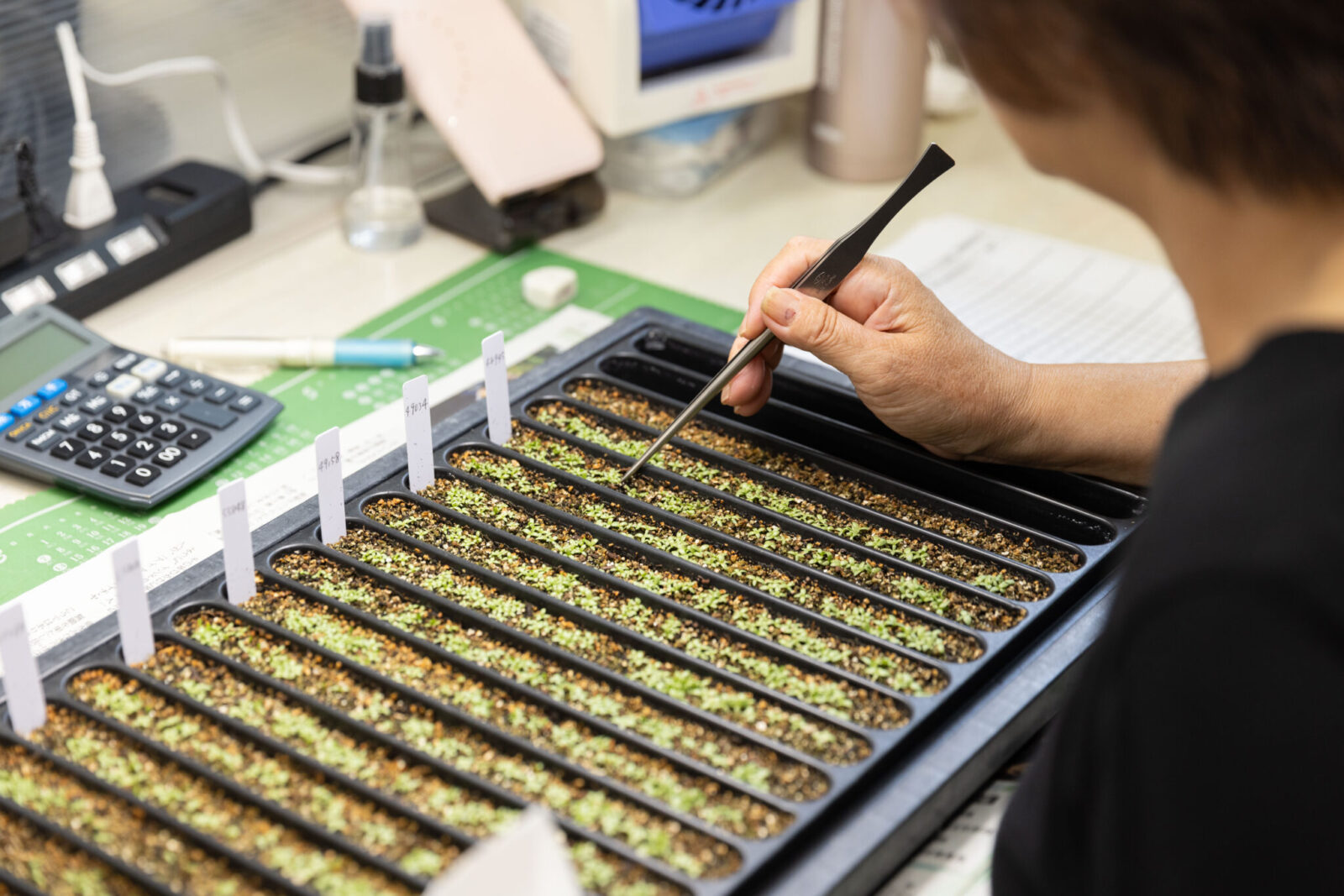
Mericlone is a propagation technique in which only about 0.2 millimeters of the plant’s meristem, or the growing tip where cell division is most active, is carefully removed and cultured under sterile conditions in a flask. Because the meristem contains little to no virus, this method makes it possible to mass-produce healthy clones that are genetically identical to the parent plant and free from viral and fungal contamination. The process, however, is far from simple. The tiny piece of tissue must be excised by hand inside a sterile clean bench, and with exceptional precision by hand.
―― How do you ensure that the plants are free from contamination?
Even with the latest technology, it is virtually impossible to guarantee that every single seedling is completely free of viruses. However, we continuously refine our techniques to reduce the risk as close to zero as possible, enabling us to provide farmers with a stable supply of healthy planting material.
We now not only work with flowers, but also use mericlone cultivation for edible plants such as strawberries, sweet potato, wasabi and blueberries.
Research on tissue culture cultivation began after the war, when the founder began growing flowers in a time of food shortages
―― Why did Miyoshi first enter the seeds and seedlings business?
Our founder, Yukio Miyoshi, established Miyoshi Shokai, the predecessor of our company, in 1949.
It was just after the Second World War, when Japan’s highest priority was producing enough food to feed its people. Vegetables and staple crops were essential for survival, while flowers were regarded as a luxury shikohin.
Despite those circumstances, our founder had a deep passion for flowers and chose to build his business around flower seeds and seedlings.
Japan has a long tradition of appreciating flowers, from springtime cherry blossom viewing to offering chrysanthemums during the Obon and equinoctial holidays. Believing that flowers were an important part of everyday life and culture, he wanted to establish a stable supply and make them more accessible to everyone. That vision became the foundation of Miyoshi.
To achieve a stable supply of flowers, our founder turned his attention to a cutting-edge technology of the time known as mericlone propagation. The technique was still confined to university laboratories and had not yet been commercialized at the time.
Regardless, he built a research facility beside his own home and devoted himself to developing the technology with extraordinary passion and perseverance.
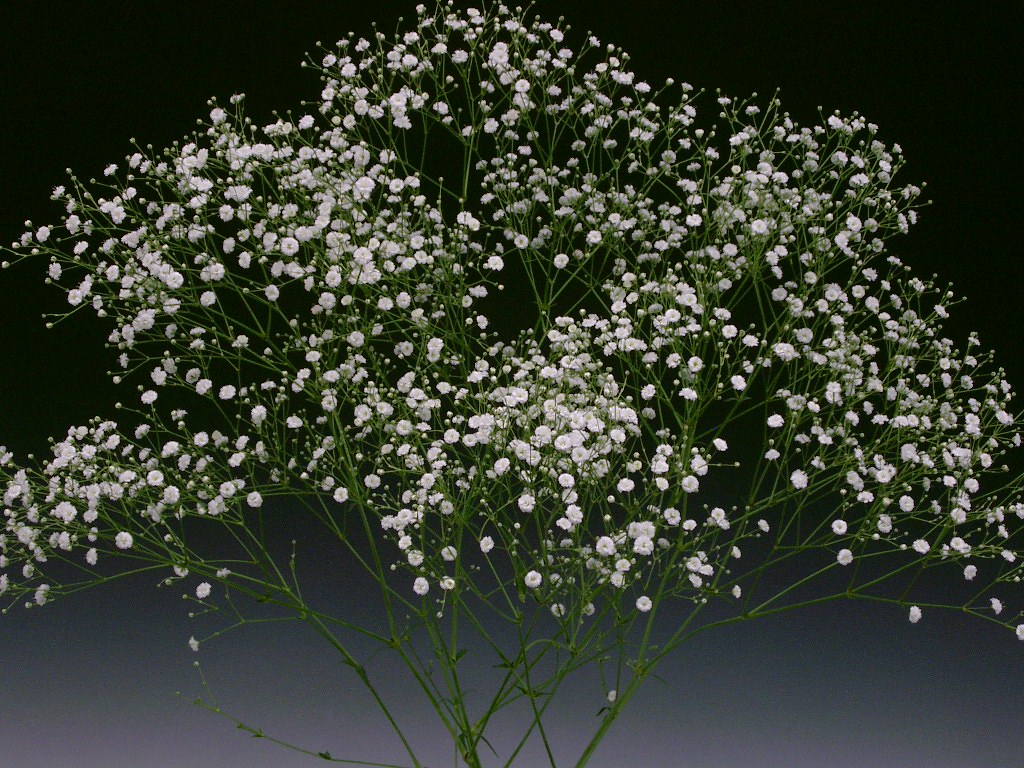
Working closely with university researchers, he began producing mericlone-propagated carnations in 1969. Then, in 1975, he became the first person in Japan to successfully establish mericlone propagation for baby’s breath (Gypsophila), a species that had long been considered impossible to propagate using the technique. This breakthrough made the large-scale production and stable supply of baby’s breath possible.
Today, baby’s breath is an indispensable part of flower bouquets around the world. Behind its widespread popularity, however, lies our founder’s unwavering determination and years of relentless experimentation.
The difficulty of “breeding” and developing new varieties
―― I see how many years of dedication was behind the success of the mericlone propagation. Another important role of seed and seedling companies is developing new varieties. I imagine it must be incredibly rewarding to create a new plant that has never existed before.
You’re right. Plant breeding, or the development of new varieties, is often considered the crown jewel of our industry and is what draws many people into the field. At the same time, it is also one of the most challenging and demanding areas of our work.
Even after hundreds or thousands of crossbreeding trials, only a handful of new varieties are ever released commercially. It’s much like breeding thoroughbred racehorses. No matter how outstanding the pedigree of the parent lines may be, there’s never any guarantee that the next champion will be born.
―― How long does it take to develop a new variety before it reaches the market?
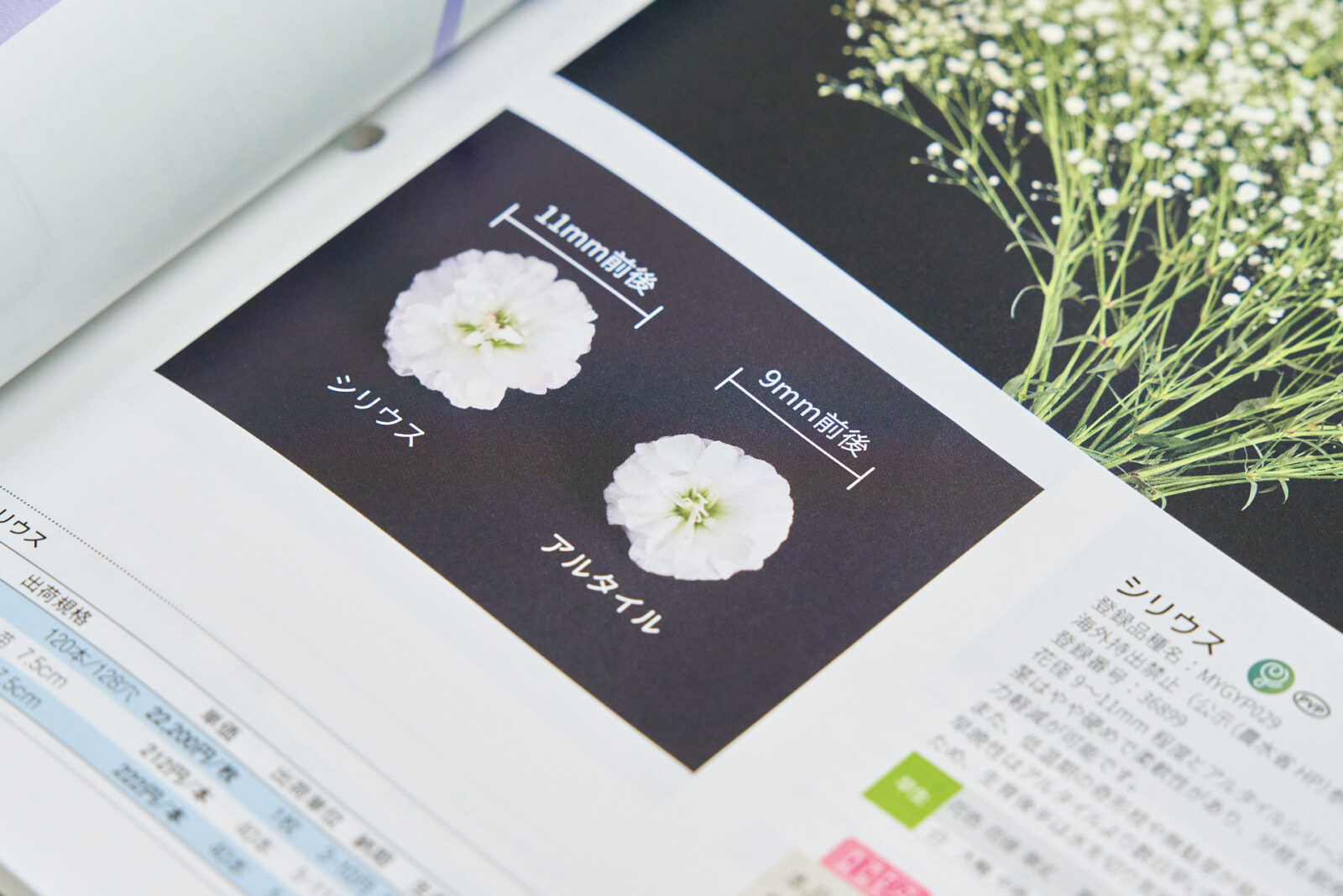
Developing a single new variety typically takes five to seven years, although some breeds can require as long as ten years. A successful variety must first satisfy consumer expectations. Whether it’s a flower or a fruit, it needs to have desirable qualities such as beauty, fragrance, vase life or shelf life, flavor, and size. But meeting those expectations alone isn’t enough to make a variety commercially viable.
Other factors such as ease of cultivation for growers, disease resistance, and even the ability to withstand shipping are also extremely important. In countries that produce cut flowers such as Kenya and Colombia, flowers are transported by air. This means packaging and transportability must also be considered during the breeding process. The flowers need stems that are strong yet flexible enough to remain upright without bending or breaking when packed tightly into boxes, while still blooming beautifully once they reach their destination.
―― Besides flavor, size and beauty, the breeds must withstand cultivation and transport.
Each variety is evaluated against dozens of different criteria, and we have to constantly keep up with the needs of growers, consumers, and markets around the world when developing and selecting new varieties.
Since we invest a tremendous amount of time and money into development, commercialization is difficult unless a variety receives high ratings across various evaluation criteria. It is therefore crucial for breeders to scrutinize the resulting varieties calmly and objectively.
I also believe another important factor in breeding is having the courage to let some varieties go. Even after developing a successful variety, a breeder must never become satisfied with what has already been achieved. Continuously striving for something better, making new crosses day after day, and replacing even one’s own successful varieties with superior new ones is what I believe is the true hallmark of a breeder.
Only those which have survived a seemingly endless process of trial and error will come out as a new variety that can successfully obtain a big share of the world market.
A new strawberry variety that started a new innovation Designing plants from seeds rather than runners
―― Could you tell us about a variety that overcame all of these challenges and went on to become a success?
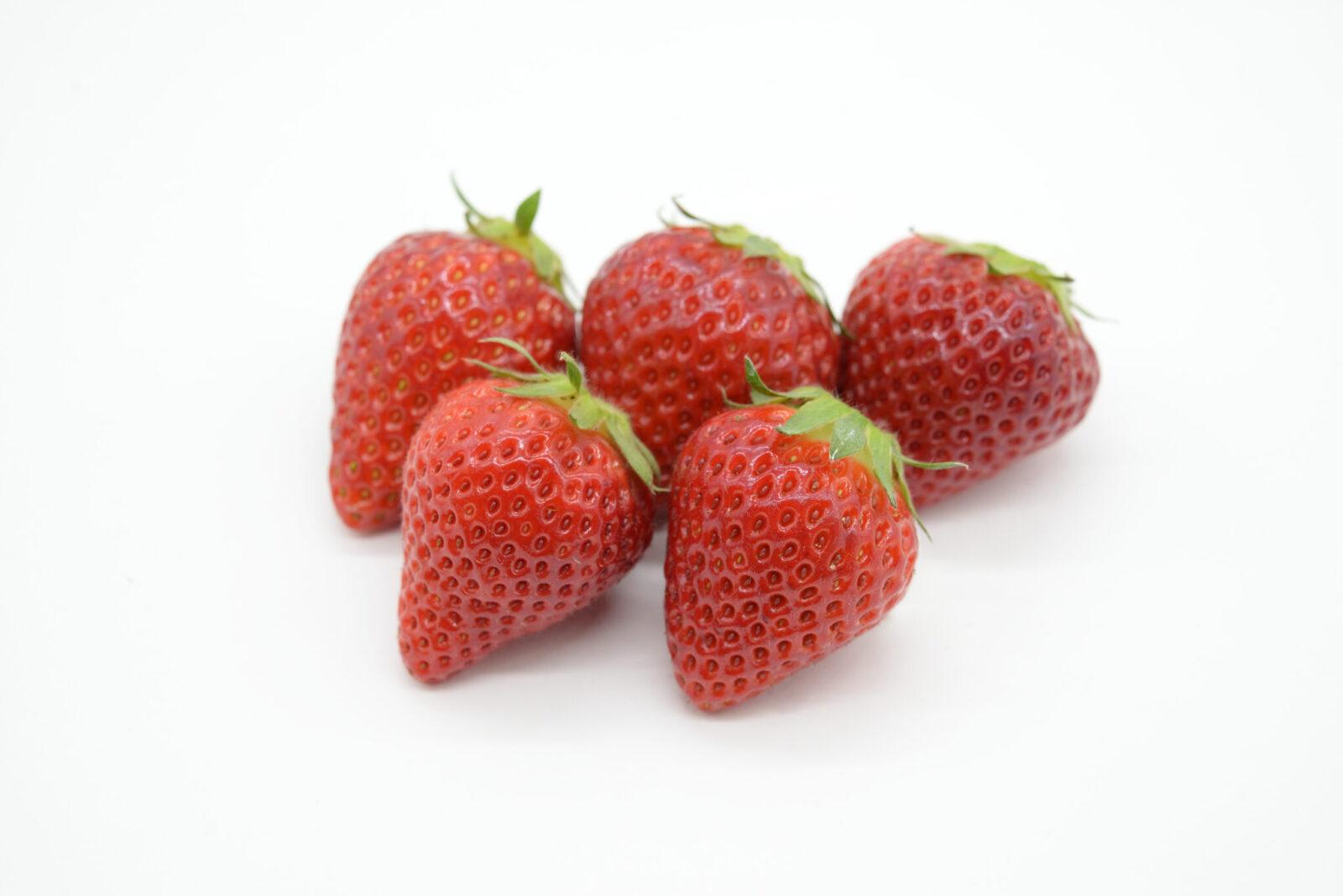
One example is Berry Pop, a strawberry variety we introduced in 2021.
Japanese strawberries have earned an outstanding reputation around the world. Many people say that once you’ve tasted one, you never forget it. With Berry Pop, we set out from the very beginning to develop a variety that would appeal not only to the domestic market but also to consumers overseas.
For export, transportability is especially important. Firmer fruit is less likely to bruise during long-distance shipping, allowing it to reach consumers in excellent condition. We also aimed to produce strawberries with a rich, vibrant red color, a luxurious appearance, high sugar content, and a well-balanced sweetness and acidity.
Conventional strawberry cultivation relies on runners, or the long stems that produce new daughter plants. However, this method has become increasingly vulnerable to climate change. High temperatures can reduce runner production, while the lengthy nursery period increases the risk of disease.
One of the biggest challenges strawberry growers face is anthracnose, a fungal disease. Preventing it requires significant labor and costly chemical treatments, yet if it is not properly controlled, the resulting losses can be devastating.
This is why we came up with the idea of starting cultivation of strawberries from seed instead.
Compared with runner propagation, seed propagation greatly reduces the risk of disease. Seeds are also far smaller and lighter than seedlings, making them much easier to transport and export. In addition, the shorter production cycle from sowing to harvest reduces the need for pesticide applications, making it both economically and environmentally advantageous.
Designing plants that can survive climate change and the future environmental conditions
―― — It’s clear that plant breeding involves balancing a wide range of considerations. Are the needs of consumers and growers always the top priority?
The needs of consumers and growers are certainly important, but they cannot be our only focus. As seed and seedling companies, we have to look beyond today’s needs and anticipate the challenges of tomorrow.
The greatest challenge facing our industry today is climate change. Rising temperatures, prolonged droughts, and other increasingly extreme weather conditions are having a profound impact on crop production around the world.
In Japan, for example, summer temperatures often remain high well into the night. When plants are exposed to several consecutive nights of high temperatures, they become stressed much like people do. Without the cooler nighttime temperatures they need to recover, their health and productivity begin to decline. That’s why one of the most urgent priorities in plant breeding today is developing varieties that are more resilient to heat, disease, and other environmental stresses.
―― Plant breeding takes many years, yet the challenges posed by climate change are becoming increasingly urgent.
We are already seeing the effects around the world. In Europe, for example, vineyards are being damaged by extreme heat, heavy rainfall, and even hailstorms, all of which are affecting wine production.
Crops that have been cultivated in the same regions for generations are becoming increasingly difficult to grow there. In the case of wine, these changes threaten not only agricultural production but also food cultures and regional traditions that have developed over centuries. That’s why seed and seedling companies must always be looking ahead. We have to anticipate how the climate will change years from now and develop plant varieties that can thrive in the environments of the future.
Every farm around the world is an experiment
Seed companies are the ally of farmers and work beside them
―― You work closely with farmers in Japan and around the world in order to produce varieties that are easier to grow?
Our founder often said, “A seed company must be an ally to farmers.” Our highest priority is to provide seeds and seedlings that help growers succeed.
The success of farmers eventually comes back to us and helps our business. We have always strived for this ideal relationship.
At the same time, no matter how good a seed or seedling may be, it is ultimately the grower who brings out its full potential. The way a crop is cultivated has a tremendous impact on its flavor, yield, appearance, and overall quality.
That’s why we don’t see our role as simply selling seeds and seedlings. We believe in working alongside the growers who choose our varieties.
Our field representatives visit farms regularly, using all of their senses to assess growing conditions, from the color of the leaves and the condition of the soil. They advise growers on irrigation, fertilizer application, timing, and other aspects of cultivation, working together to determine the best way to produce a healthy, high-quality crop.
―― How do you implement that assistance for your clients overseas?
The varieties we develop in Japan are sold as seeds and seedlings or produced under license through partner companies located around the world. Simply handing over a manual to local staff is not enough to ensure success. We must go to the site ourselves to make the final selection based on the local environments.
For example, let’s say there are two varieties A and B, that are being considered for overseas expansion. No matter how many tests we conduct at our domestic testing facilities, the final selection and deciding which one to adopt, must always be carried out on-site.
Sometimes A works well in Kenya, but B produces the best flowers in Ecuador.
Even different countries that are on the equator are vastly different in environments for plants depending on weather and water quality. Because we are working with living plants, there is no such thing as weekends or borders when we put sincere effort into our work.
There is a moment I will never forget in my experience of traveling around the world. It happened when I was in Ecuador to give technical guidance. I encountered a hummingbird hovering over the green house and feeding on nectar. It was a plant that we had developed and sent out to the global market.
Seeing our company’s flower sustaining the life of a hummingbird in such a harsh environment on the other side of the globe, at an altitude of nearly 3,000 meters, filled me with deep emotion and a profound sense of fulfillment, reaffirming that this is exactly why I love this work.
The pride of a seedling maker to preserve tradition through tissue culture technology
―― Miyoshi has been refining its technology and talent since its founding days. How do you hope to apply those strengths in the future?
This may be a little outside our core business, but one project we’re particularly passionate about is our collaboration with producer Kanji Okuyama on Hachijō Island to revive the domestic cultivation of sakaki.
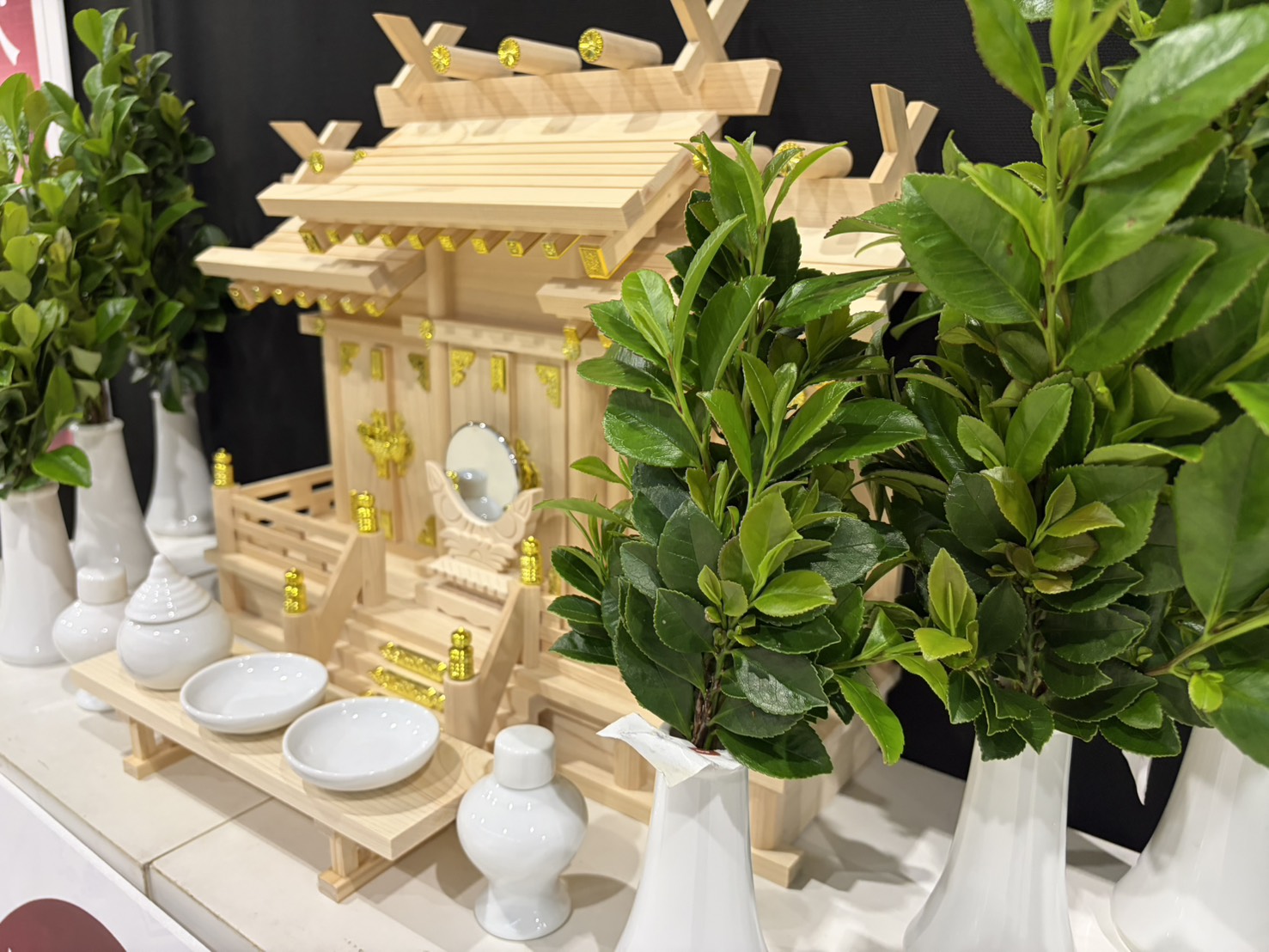
Sakaki is the sacred evergreen traditionally offered at household shrines and used in Shinto rituals. It is considered a yorishiro, an object through which the deities are believed to descend. Despite its deep cultural significance, however, nearly 90 percent of the sakaki currently distributed in Japan is imported from China.
―― 90%? I had always assumed that sakaki was grown in Japan.
This is something that many people are unaware of. As with the example of wine grapes we discussed earlier, if imports of sakaki were ever disrupted, one of Japan’s long-standing cultural traditions could be at risk.
That’s why we are applying Miyoshi’s mericlone technology to help establish a stable domestic supply of seedlings. Working with Mr. Okuyama, we are propagating two exceptional Hachijō Hisakaki selections, Kamisawa and Rei, which he identified on Hachijō Island.
Both varieties are distinguished by their deep green foliage, elegant branching, and remarkable longevity. While they are ideally suited for use in Shinto rituals, we also believe they have the potential to bring a sense of beauty and refinement to contemporary everyday life.
Miyoshi’s technologies contribute to the preservation of traditional cultures in this way.
―― It’s inspiring to see how the expertise Miyoshi has cultivated as a seed and seedling company is now helping to preserve tradition while connecting it to the future.
Our company name, Miyoshi, may not be mentioned in the public often. Still, our breeding and tissue culture technologies support farmers around the world, enrich and mark the special occasions in people’s everyday lives, and help preserve Japan’s traditional culture. We take pride in this significant role we play.
Translation: Sophia Swanson
Editor. Born and raised in Kagoshima, the birthplace of Japanese tea. Worked for Impress, Inc. and Huffington Post Japan and has been involved in the launch and management of media after becoming independent. Does editing, writing, and content planning/production.