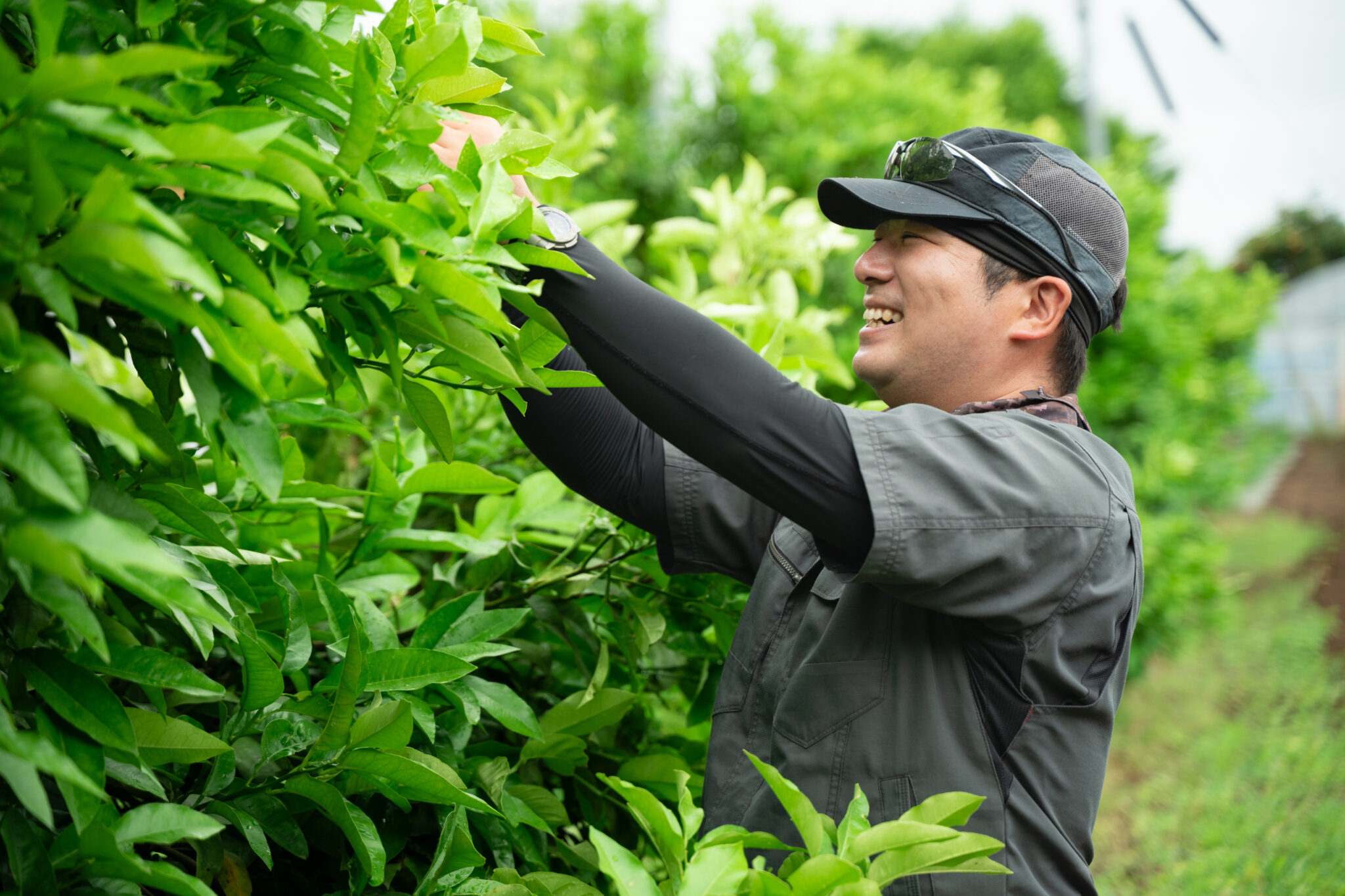
Bergamot is best known for its distinctive citrus aroma, which lends a refreshing fragrance to black tea and alcoholic beverages and is widely used in perfumery. Its unique and captivating scent has made it a favorite among fragrance lovers around the world.
Yet, while many people may recognize the name bergamot, few have actually seen the fruit itself. Sensitive to cold temperatures, bergamot is relatively difficult to grow in Japan, and only a limited number of regions cultivate it.
We visited Keiju Fuchigami, a farmer in Unzen City, Nagasaki Prefecture, who is taking on the challenge of growing bergamot by breathing new life into severely overgrown, abandoned farmland.
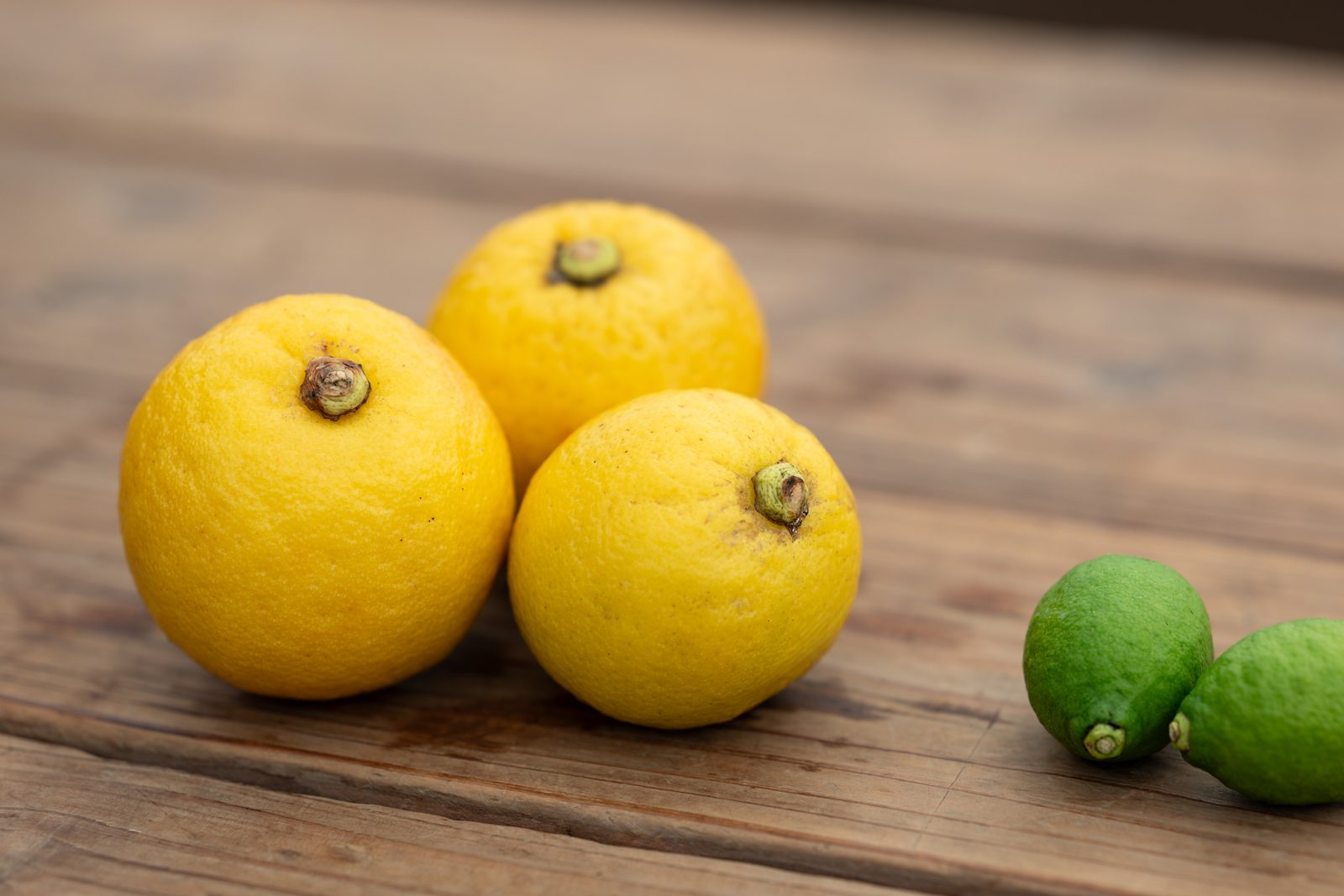
“We welcome visitors to our farm who work as bartenders, hotel professionals, and sometimes even chefs at Michelin-starred restaurants. I always learn so much from conversations with professionals.”
Despite the many challenges he has faced, Fuchigami approaches his work with a sense of enjoyment, taking each obstacle in stride. We spoke with him about his journey growing bergamot, Unzen’s rich food culture, and his vision for the future.
Transforming abandoned and overgrown land into a farm
Unzen City, in Nagasaki Prefecture, is blessed with abundant natural beauty, including a tranquil coastline along the Ariake Sea. Agriculture is a key part of the local economy, and the region is particularly well known for its strawberry production.
Our first stop with Fuchigami was surprisingly a hazelnut farm. Although hazelnuts are commonly associated with Turkey and Italy, evidence suggests that wild varieties were consumed in Japan as far back as the Jomon period, with records indicating that they were cultivated during the Edo period. Perhaps hazelnuts were once a more familiar part of the Japanese diet than we might imagine.
Today, hazelnuts are being cultivated in parts of Shinshu, Nagano Prefecture, and Hokkaido. However, the vast majority of hazelnuts consumed in Japan are still imported.
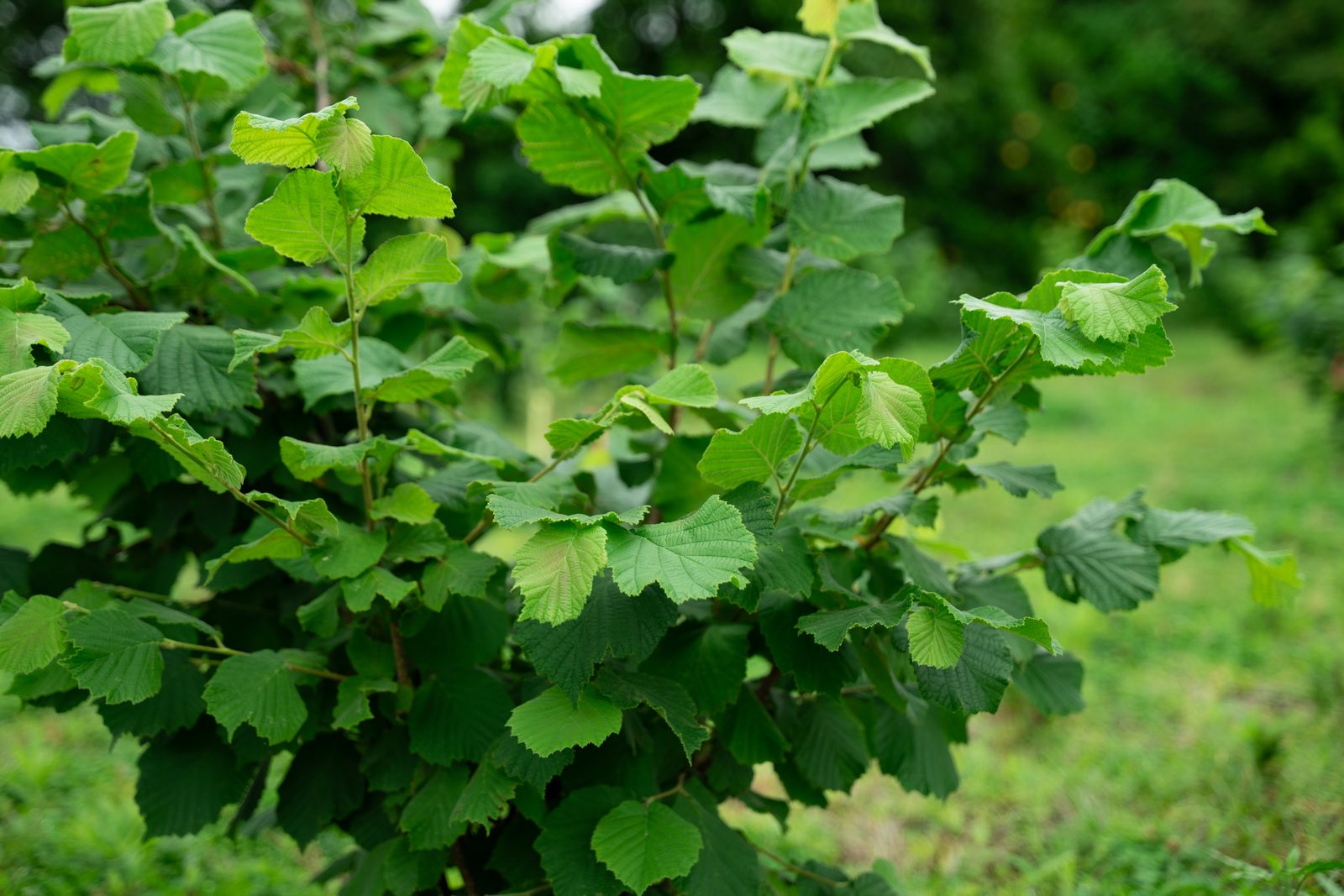
The hazelnut trees Fuchigami is growing are still young saplings, but he has planted three different varieties with the aim of producing hazelnuts domestically.
When he first encountered this land, it was so overgrown that it resembled a jungle, making it impossible to tell what had once been cultivated there. Fuchigami set to work cutting back the dense vegetation, removing overgrown trees and grass, and carefully reclaiming the land for agricultural use.
Abandoned farmland is a growing national concern in Japan. Left unmanaged, it can negatively affect neighboring agricultural land and increase the risk of natural disasters. By restoring this neglected plot and bringing it back into cultivation, Fuchigami has not only created space for new crops but also improved visibility across the area, helping make the surrounding community safer and more secure. On a clear day, the farm offers views of Mount Unzen-Fugendake. Unfortunately, the mountain remained hidden behind the clouds during our visit.
Just as we were wrapping up, Fuchigami mischievously shared one more detail about the land’s history.
“Oh, I forgot to mention something important. If you ever feel someone tugging at your sleeve when there’s no one around, be careful! This area was once a battlefield and is known as Sodehiki-zaka, or “Sleeve-Pulling Slope.”
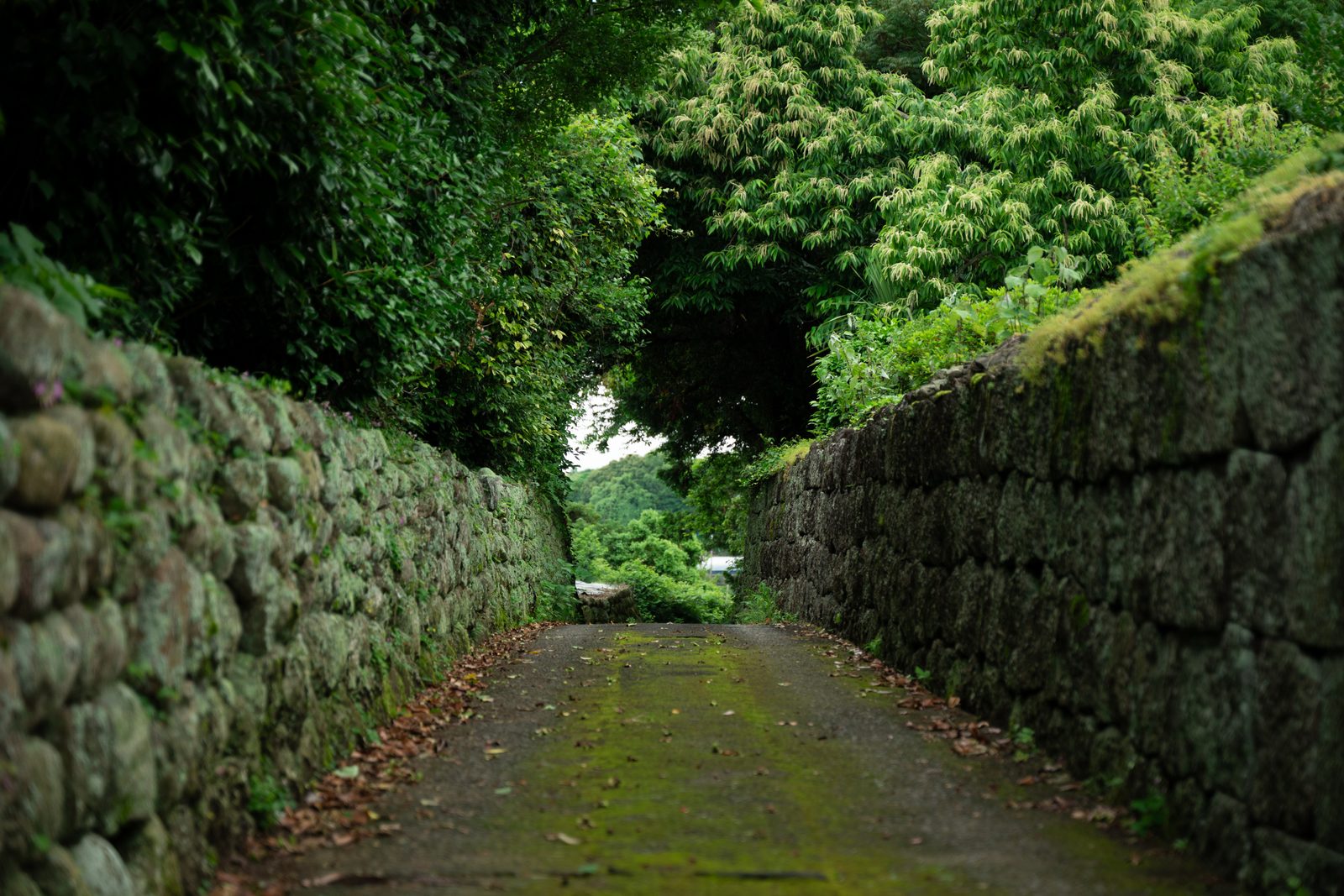
Fuchigami also smiled as he explained, “This area is safe because we don’t have wild boars or stray dogs here. But in the fields closer to the mountains, there are wild dogs, so it can be dangerous for people who aren’t familiar with the area.”
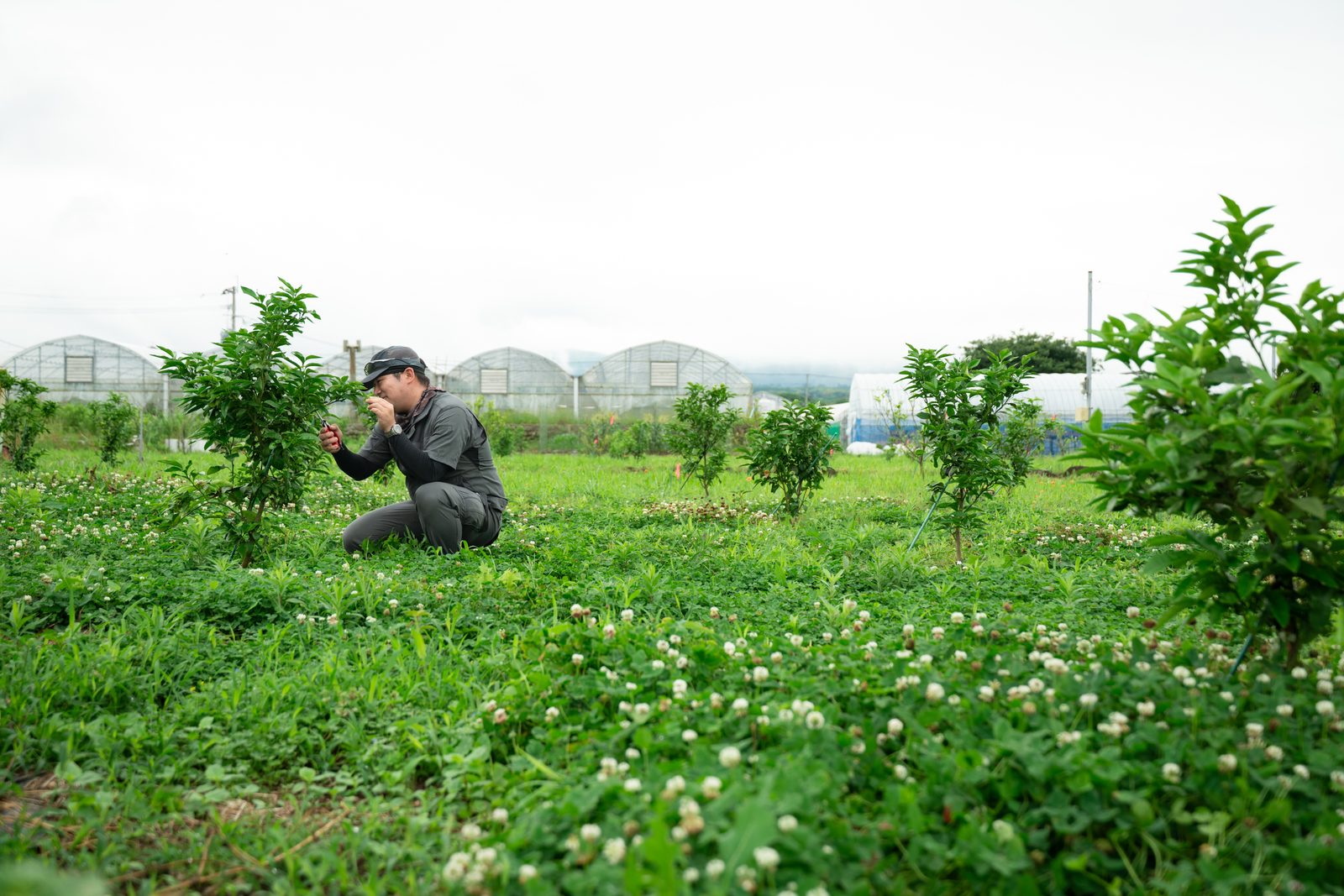
The mountain farmland that Fuchigami and his older brother, Keiju, reclaimed in 2021 is home to different wild animals. Given the potential risks, he is reluctant to take visitors there. Instead, he showed us a more accessible and safer field near his home, where he grows bergamot, limes, melons, kabosu and other crops.
Bergamot belongs to the citrus family, Rutaceae. The trees typically produce small white flowers in April and May, with the fruit beginning to ripen for harvest in November.
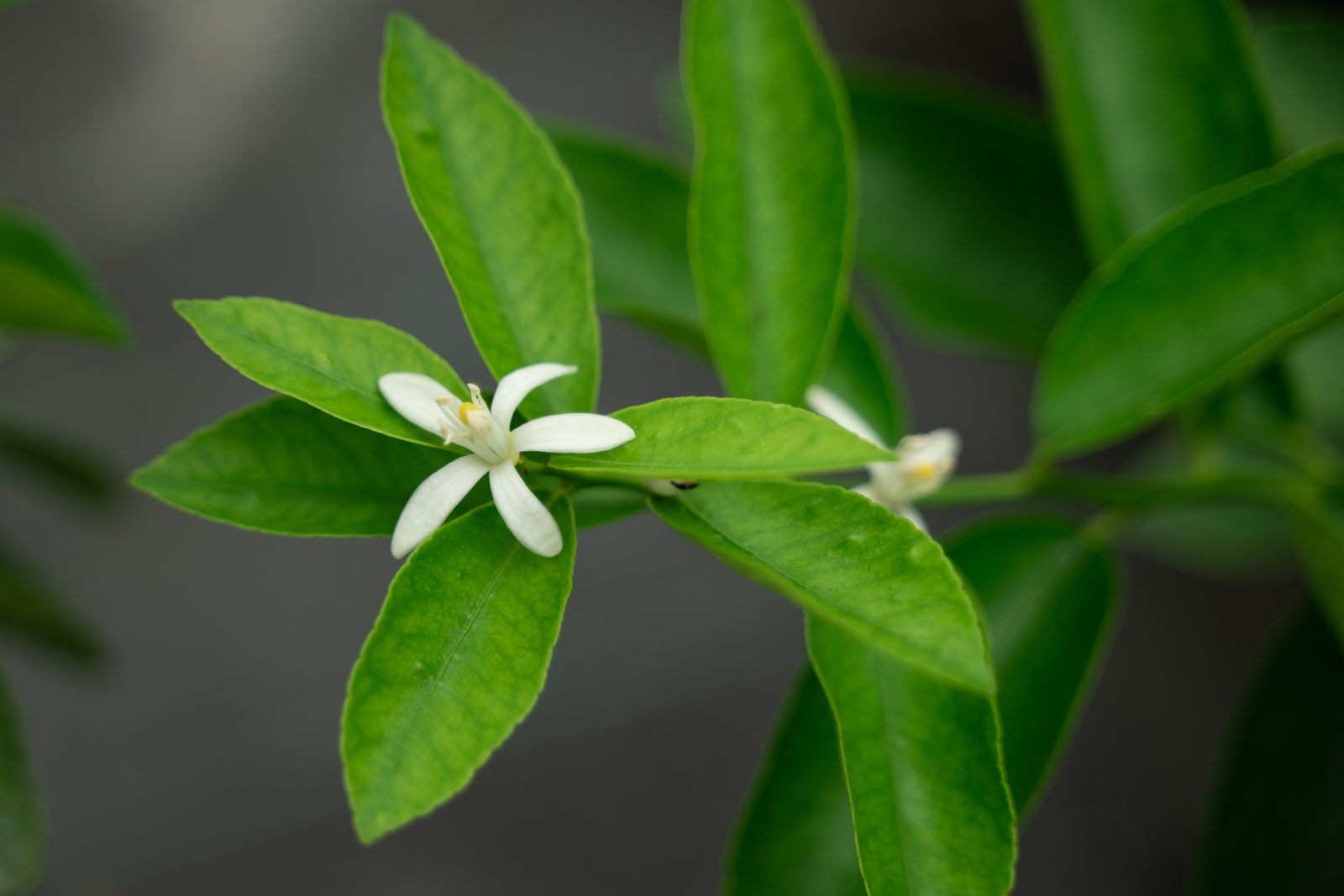
During our visit in early summer, the bergamot flowers were nearing the end of their blooming season, and tiny fruits were beginning to emerge. The young green fruits gave off a crisp, fresh citrus scent. As they mature and gradually turn yellow, their aroma develops into a softer, sweeter fragrance. This evolving scent offers a different sensory experience depending on the stage of growth and harvest season. Bergamot remains a relatively rare crop in Japan and is considered challenging to cultivate, but it seems to thrive in Unzen’s favorable climate.
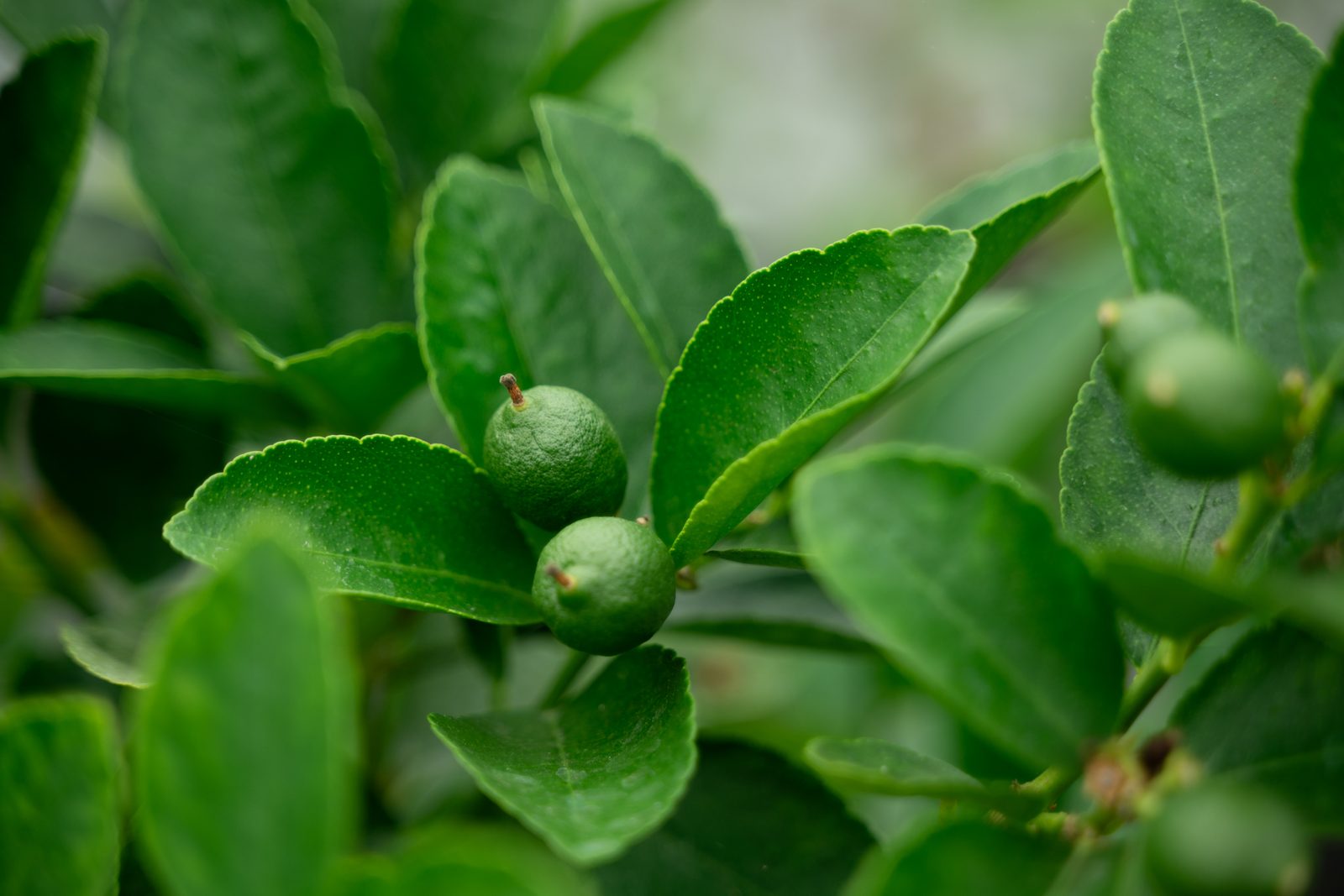
Unzen is said to have a climate similar to that of Calabria, Italy, another region known for bergamot cultivation. Its relatively mild conditions make it well suited to this cold-sensitive citrus.
Although we visited outside the harvest season, the trees were lush and thriving. When we plucked a leaf, its vivid fragrance filled the air. Fresh, vibrant, and rich, the scent was truly one of a kind. It has an irresistible quality that lingers in your memory long after that first encounter.
The Bergamot scent that energizes people
Fuchigami comes from a family that has long practiced farming alongside other work. About ten years ago, he happened upon a bergamot sapling that caught his eye and, on a whim, planted it in his garden.
He later moved outside Nagasaki Prefecture to work for an agriculture-related company. When the company closed during the COVID-19 pandemic, he returned to his hometown.
“I’d completely forgotten about the bergamot tree. But when I came back, I noticed how wonderfully fragrant the fruit was. I remembered planting it and rediscovered just how special its scent was. That’s when I decided to try growing bergamot seriously.”
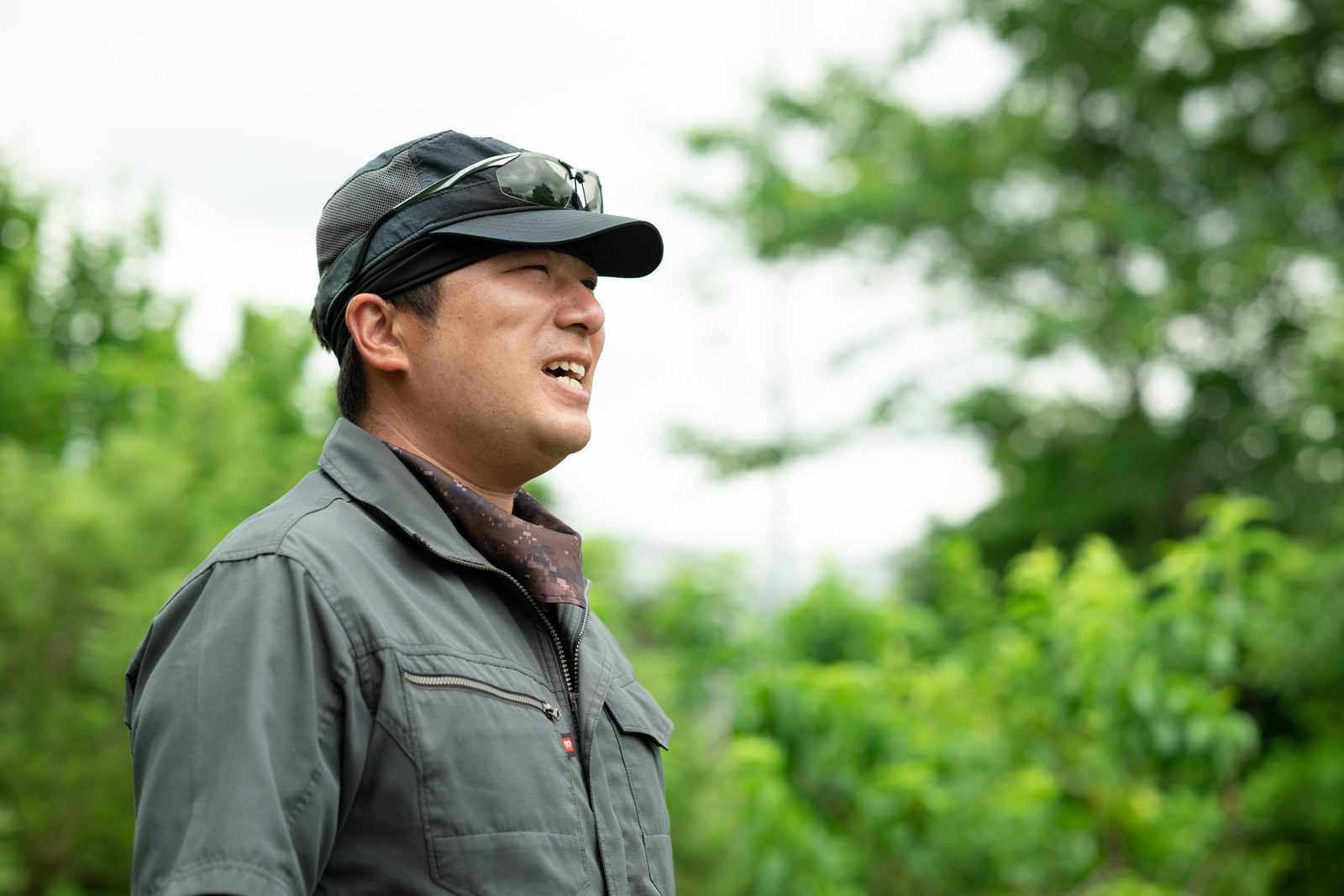
When Fuchigami learned that a friend he had met at vocational training school was growing citrus fruits in Isahaya City, Nagasaki Prefecture, he visited the farm to learn the trade and develop his own cultivation skills.
Around this time, an unexpected encounter became a turning point in his journey, convincing him to pursue bergamot cultivation more seriously.
“My harvest wasn’t large enough to make a living on, so I was working part-time. One day, I heard that the daughter of a colleague was struggling with depression. On a whim, I gave her a bergamot fruit and said, ‘Please, take it if you’d like.’ I had a feeling its fragrance might help her relax a little.”
The very next day, he received a phone call from his colleague.
“My daughter was absolutely delighted,” he was told.
The colleague had taken the bergamot home, and as soon as the young woman walked through the front door, its wonderful fragrance caught her attention. She was so taken with the scent that she happily kept bringing it to her nose. A few days later, she even made a special trip to Fuchigami’s home to thank him in person.
“Seeing how grateful she was made me realize that perhaps this fruit could bring some joy to people going through difficult times. I decided that if bergamot could help someone feel even a little better, I wanted to grow it and share its fragrance with more people.”
Contributing to Unzen, the City of Fine Cuisine, Through Fragrance
Unzen is celebrated for its exceptional food culture and received the inaugural “Gourmet City Award” in 2024. Located on the Shimabara Peninsula, surrounded by the Ariake Sea and Tachibana Bay, the region benefits from an abundant supply of fresh seafood, including a diverse variety of fish and shellfish.
The mineral-rich volcanic soils of Mount Unzen also provide ideal conditions for growing vegetables that are vibrant and full of flavor. In 2025, Unzen City declared itself an “Organic Village,” reflecting its commitment to sustainable agriculture. With many dedicated farmers embracing natural and organic growing methods, Unzen’s produce has earned high praise from top chefs.
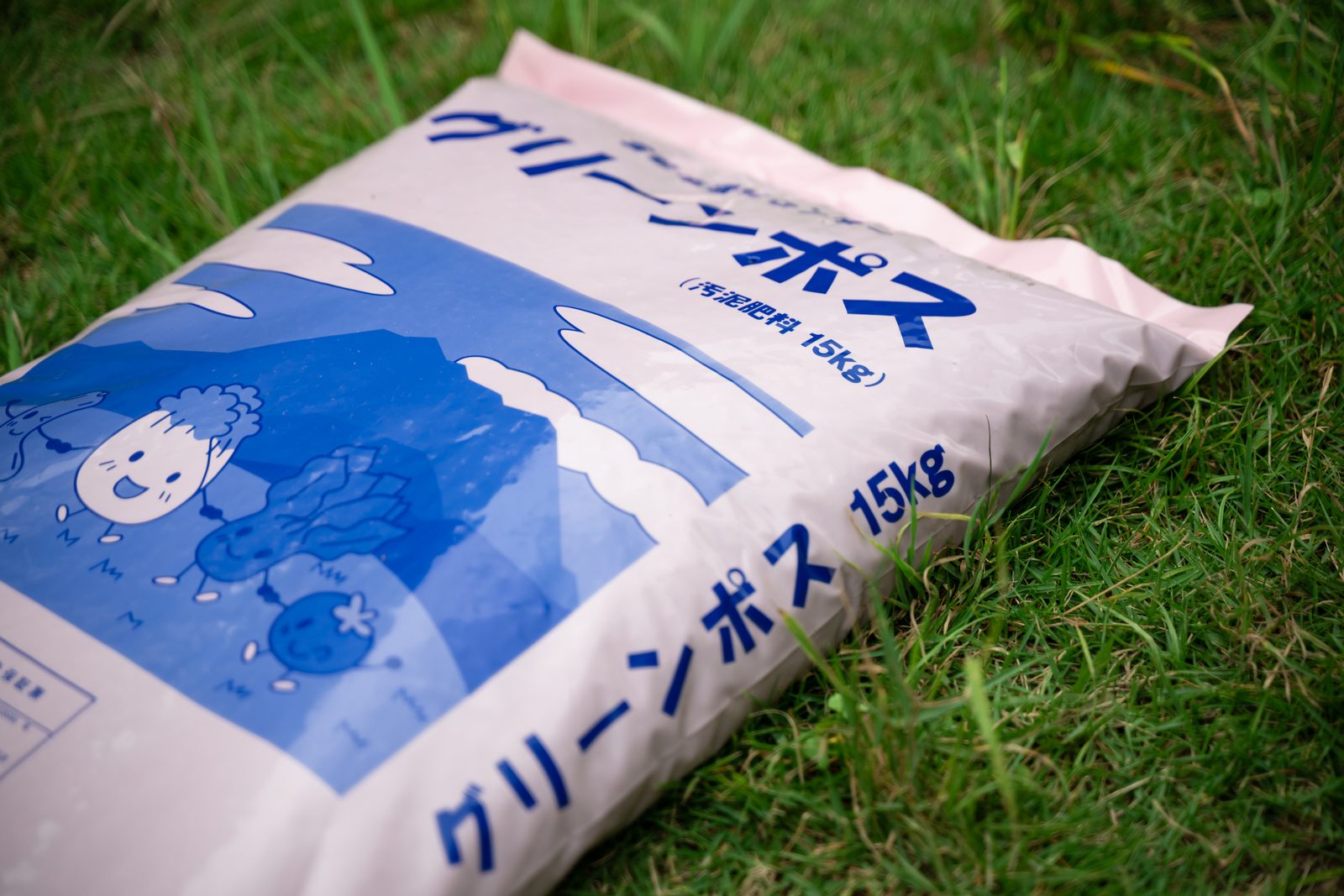
Unzen City produces recycled fermented fertilizer using human waste sludge as a raw material, creating a sustainable cycle between people and the land. “This fertilizer carries the contributions of the people of Shimabara City,” Fuchigami says with a laugh.
Unzen’s culinary culture is equally distinctive, with local dishes that make use of natural hot spring steam. The region’s gastronomy extends far beyond fine dining restaurants. Its true appeal lies in food experiences shaped by the local history, climate, and natural environment, allowing diners to savor the richness of the land itself.
“I want to contribute to Unzen’s reputation as a city of fine dining through fragrance,” Fuchigami says.
His fields, where he cultivates unusual crops such as bergamot and hazelnuts, attract food and beverage professionals from both the local area and beyond.
“Bartenders, hotel staff from Unzen, and sometimes even chefs from Michelin-starred restaurants come to visit. Talking with people who work in these fields always leads to new discoveries, and I learn so much.”
Through these exchanges, Fuchigami has discovered new ways to use bergamot. He once assumed that the peel was the most important part of the fruit when it came to aroma, while the juice itself had little to offer in terms of flavor. However, he found that drizzling the juice of fully ripened bergamot over seafood creates a distinctive flavor unlike lemon, revealing new culinary possibilities.
Ideas continue to emerge from his conversations with chefs and other food professionals. These include incorporating bergamot juice and zest into breadcrumbs for fried oysters and creating a bergamot-based seasoning inspired by yuzu kosho, the traditional Japanese condiment made with citrus, chili peppers, and salt.
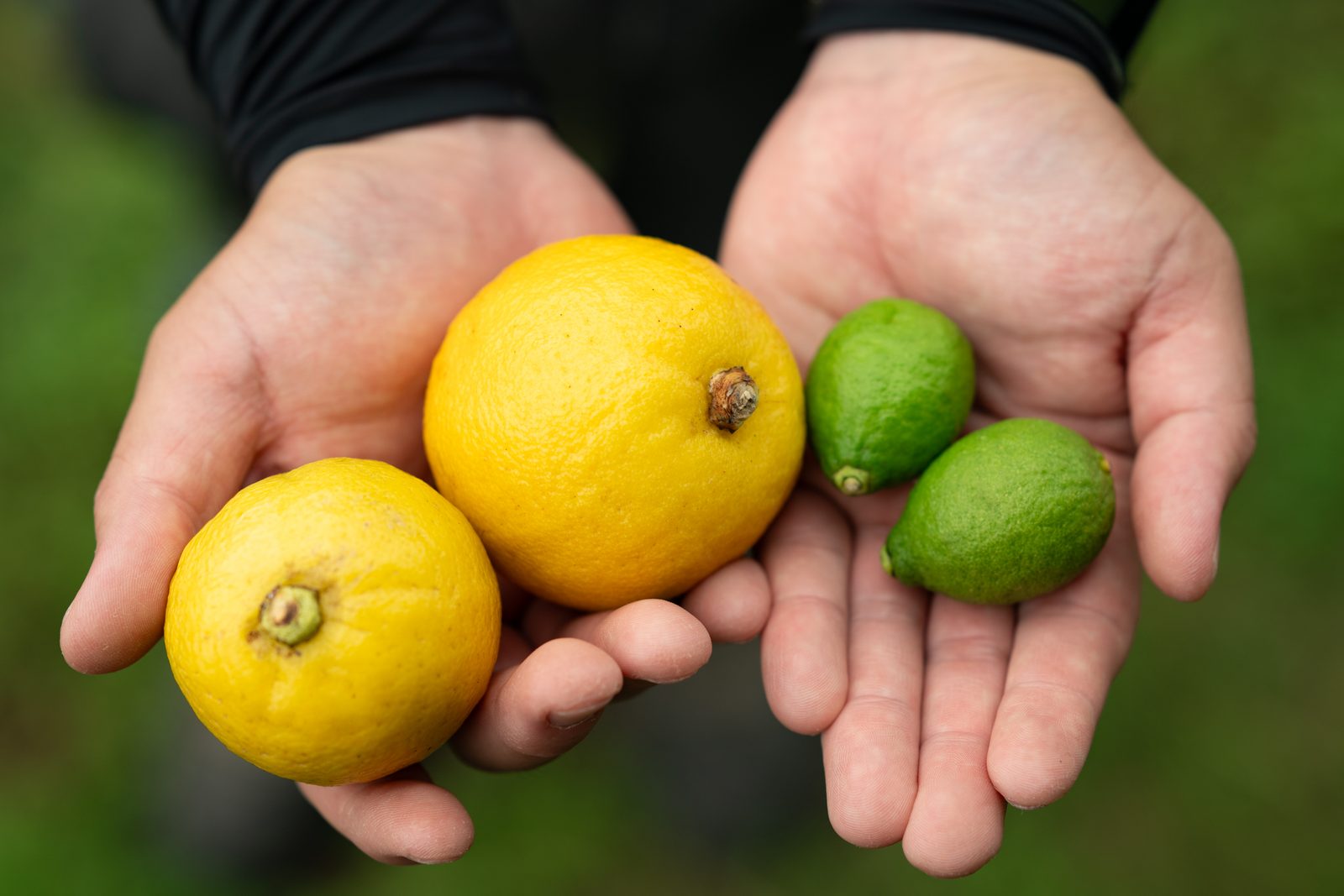
“A Japanese cuisine chef visited the farm, and we discovered that bergamot pairs beautifully with fugu,” Fuchigami says. As he continues to explore unconventional approaches to agriculture, Fuchigami is attracting a network of chefs who are affectionately known as “eccentrics” for their passion and curiosity.
He is also steadily expanding his range of bergamot-based products. In collaboration with the owner of a specialty Japanese tea shop who grows tea in Unzen, he developed a distinctive bergamot-infused tea. Made with domestically grown bergamot peel rather than artificial flavorings, it is a rare product that brings together the region’s agricultural traditions and the fruit’s captivating natural aroma.
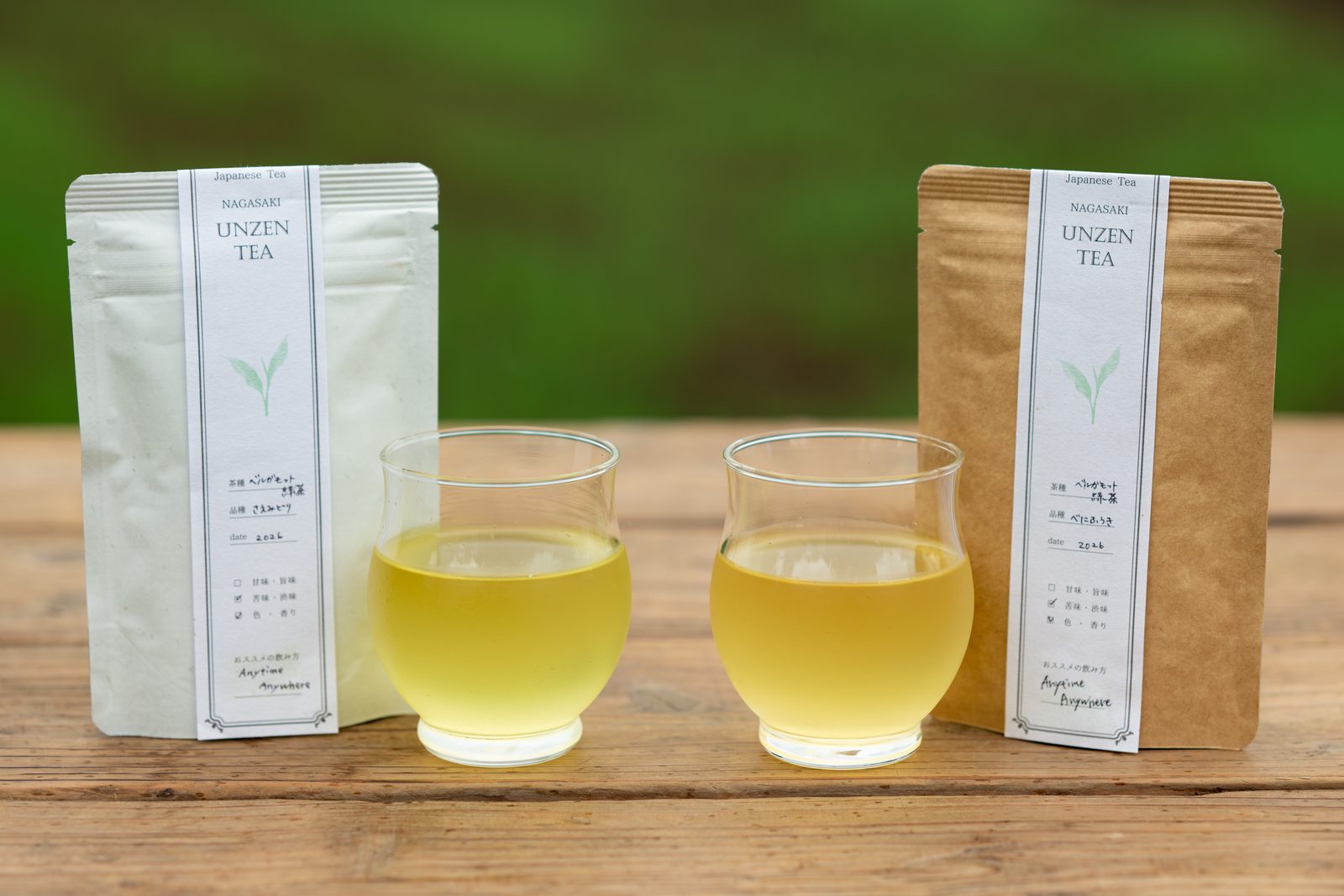
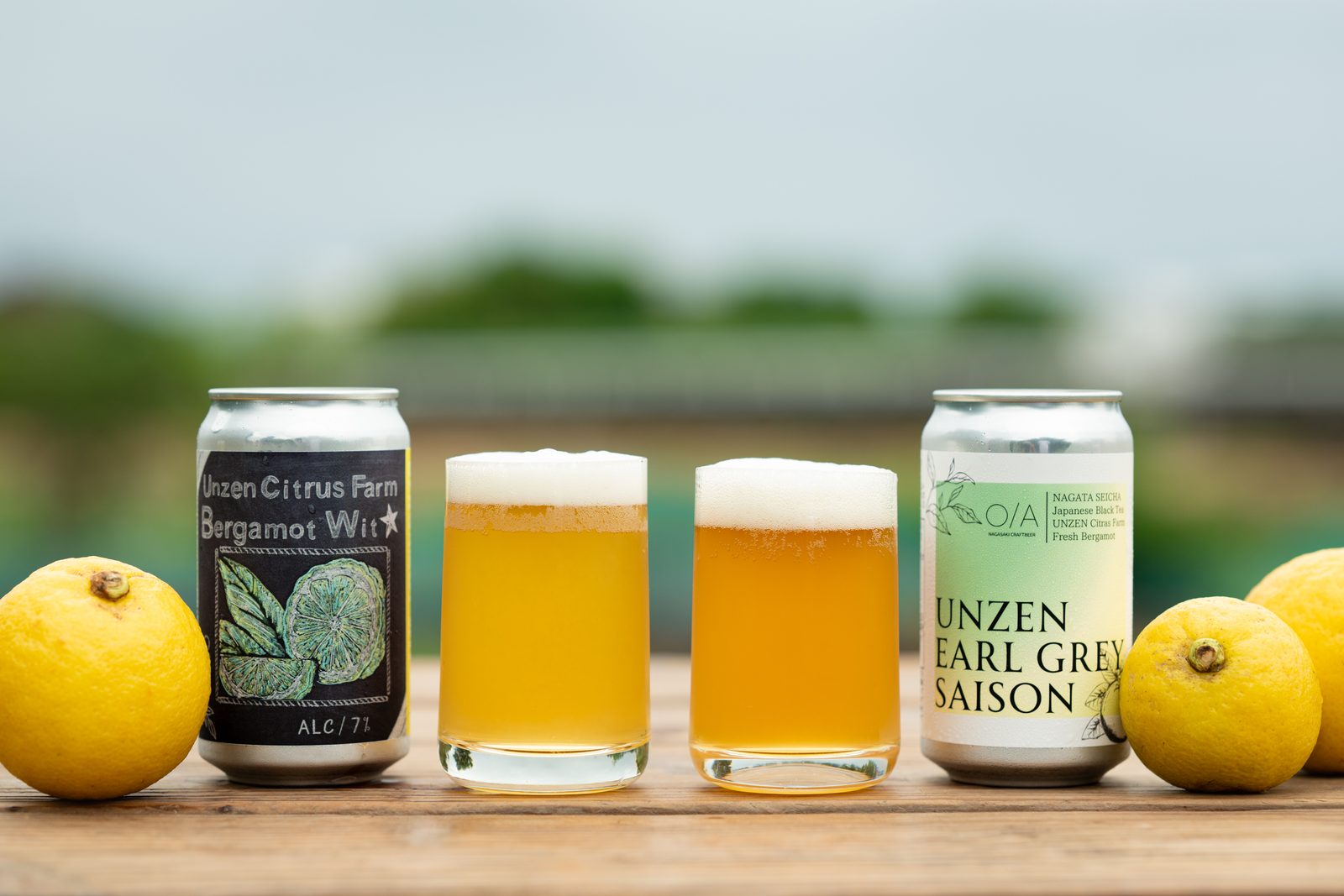
Fuchigami’s older brother, Keiju, runs a bar called Nōka (Farmer’s) BAR NaYa in Nagasaki City. Through this connection, Fuchigami met the head of O/A NAGASAKI CRAFT BEER, a craft brewery based in the same city.
Their collaboration resulted in two distinctive brews: a bergamot beer and an Earl Grey beer made with tea grown in Unzen. Both are light and refreshing, with delicate, invigorating aromas that make them very easy to drink. These locally inspired craft beers are steadily winning fans.
Plans for farm stays and wellness tourism
Looking ahead, Fuchigami is developing a farm-stay initiative that invites visitors to experience the richness of rural life in mountain and fishing villages through local food, agriculture, and hands-on activities. By collaborating with nearby inns and aromatherapists, he hopes to create experiences that connect the entire region. Guests might, for example, harvest fruit at a farm before returning to an inn for a distillation workshop.
He is also envisioning a wellness tourism program centered on bergamot, offering visitors opportunities to relax and recharge through its distinctive fragrance. Ultimately, he hopes bergamot will become a driving force in attracting visitors to Unzen and sharing the region’s appeal with a wider audience.
“I believe bergamot’s captivating fragrance has the power to move people’s hearts. In Italy, it’s known as ‘green gold.’ My own life changed the moment I encountered bergamot.”
Looking to the future, Fuchigami describes himself as a fragrance berserker, determined to pursue his passion with the intensity of a warrior.
“I want to spread the appeal of this extraordinary scent with all the passion I have. I’m committed to growing bergamot for the people who seek it out.”
Bergamot has long been cherished by European royalty, nobility, and other prominent figures. Its captivating fragrance has a way of drawing you in, revealing new depths the more you experience it.
“It’s truly remarkable. I really want everyone to experience the scent of fresh bergamot fruit at least once,” says Fuchigami.
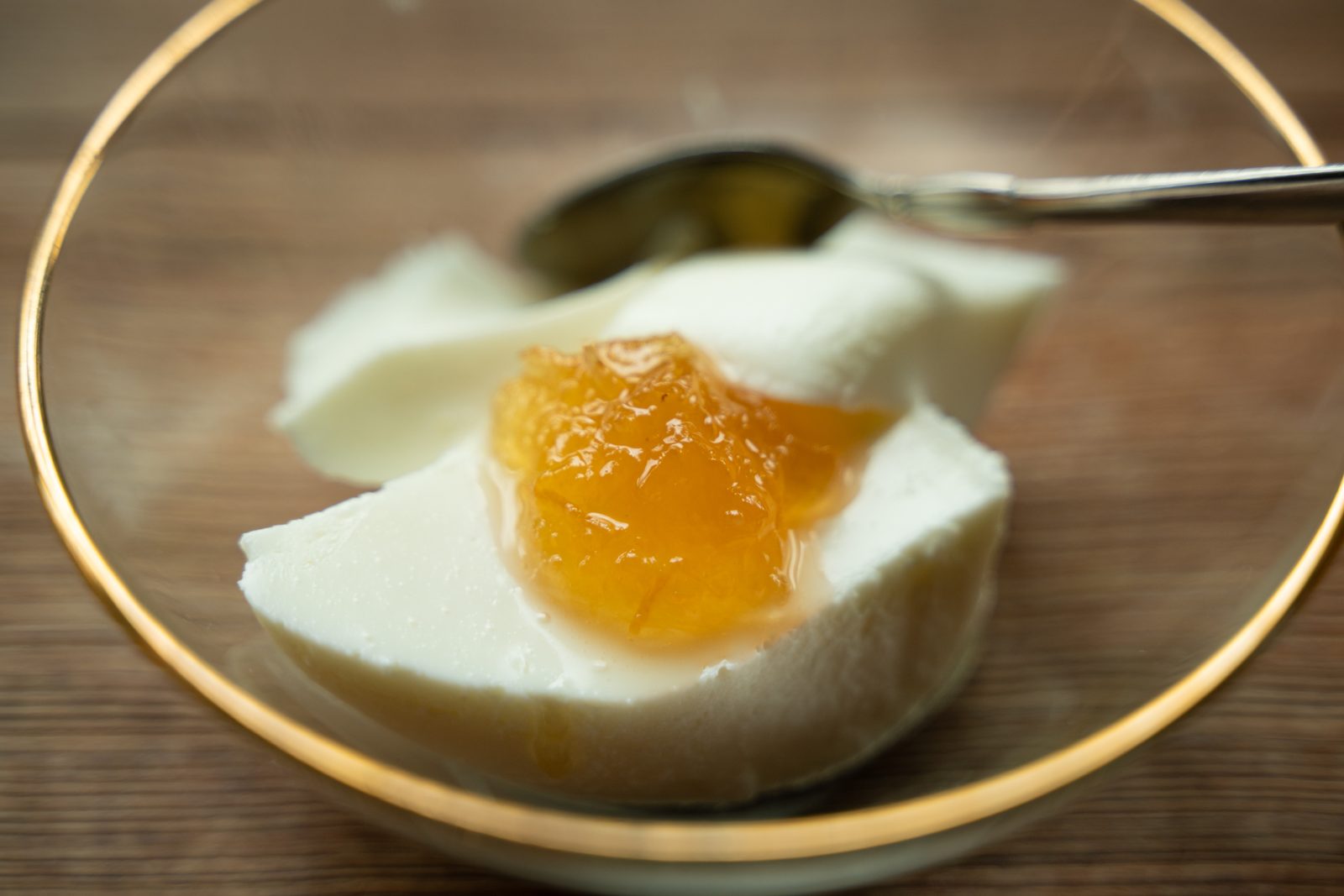
At the end of our interview, we visited Fuchigami’s home, where he treated us to his mother’s homemade panna cotta topped with bergamot jam and syrup. It was so delicious that it lifted our spirits and left us feeling light as a feather. There is something almost magical about this fruit and its ability to bring a smile to people’s faces.
I left hoping to return to the orchard in autumn, when the bergamot harvest begins, and experience its captivating fragrance all over again.
Unzen Citrus Farm Instagram Page
Translation: Sophia Swanson
Advisor to corporations, and local governments on promoting local tourism. Published work includes, “Aomori & Hakodate Travel Book” (Daimond), “San’in Travel: Craft and Food Tour” (Mynavi), “A Drunkard’s Travel Guide: Sake, Snacks, and Tableware Tour” (Mynavi). Her life work is to explore towns in her travels, drink at different shops and visit the workshops of different crafts. Interests include tea, the Jomon period, architecture, and fermented foods.
Editor. Born and raised in Kagoshima, the birthplace of Japanese tea. Worked for Impress, Inc. and Huffington Post Japan and has been involved in the launch and management of media after becoming independent. Does editing, writing, and content planning/production.