TASAKI is a high jeweller founded in Japan, known for its iconic balance collection.
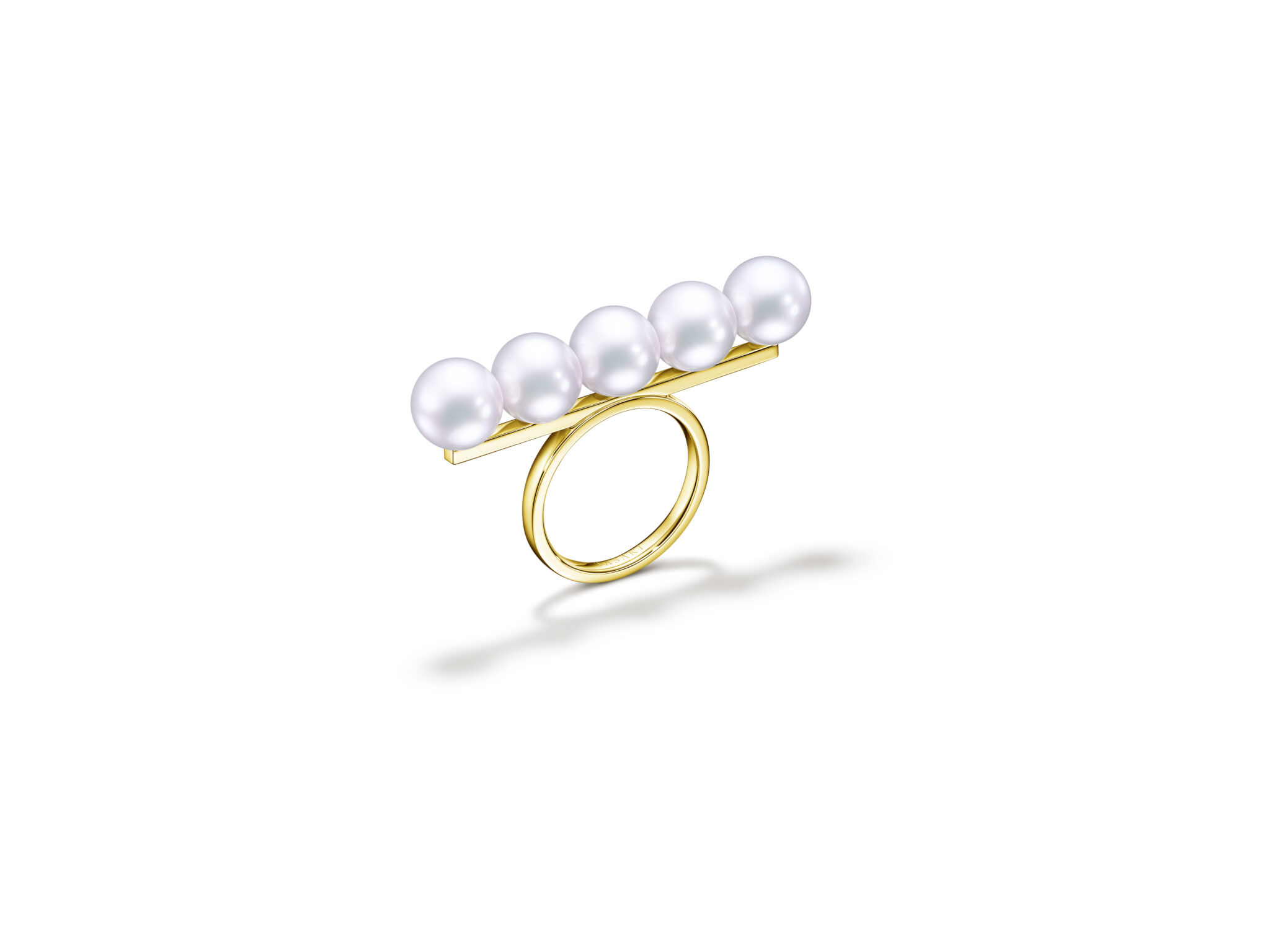
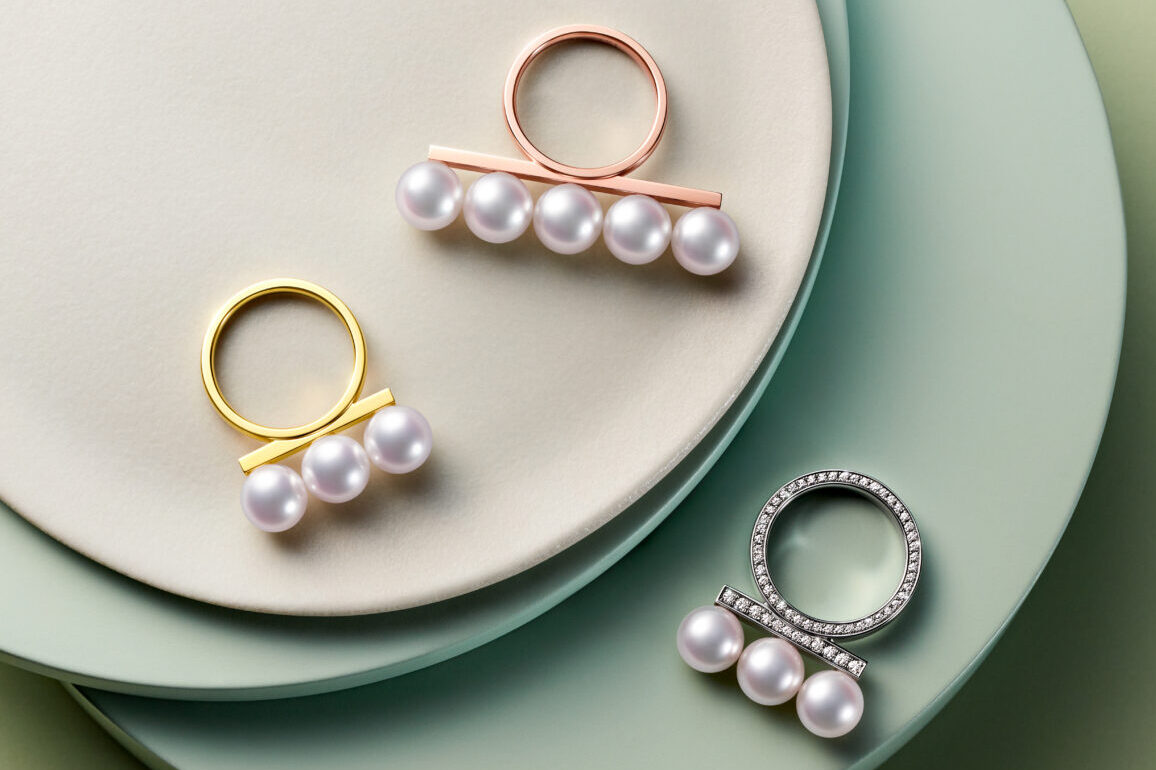
The collection is distinguished by its minimalist design, featuring three, five, or more pearls arranged in a straight line along a sleek bar. Each pearl is carefully selected for its perfectly uniform size, color, and luster, creating a harmonious composition that highlights the natural beauty and radiance of the pearls.
Pearls were once regarded as mysterious treasures of the sea, found only rarely among vast quantities of shells. Revered as “tears of mermaids,” they became enduring symbols of power and wealth, prized so highly that people sometimes risked their lives to obtain them.
In 1907, Japan pioneered the technology for cultivating perfectly round pearls, making these once-rare treasures more widely available. Yet even cultured pearls remain products of nature. The process by which nacre forms around a pearl is fundamentally the same as in natural pearls.
Even when cultivated in the same waters using identical methods, the color and shape of a pearl remain unknown until the shell is finally opened. Pearl cultivation means confronting a world full of uncertainty, where countless factors are intricately intertwined.
So, how does TASAKI create jewelry as distinctive as its balance series?
In August, DIG THE TEA visited TASAKI’s pearl farm in Nagasaki and its atelier at the company’s headquarters in Kobe. Across these two locations, we discovered how cutting-edge pearl cultivation technology works in harmony with nature, and how exceptional craftsmanship transforms nature’s gifts into exquisite jewelry.
Here is our report on two days spent exploring a unique and new Japanese vision of luxury.
No two pearls are the same. Kujukushima in Nagasaki, the birthplace of pearls
“Beautiful pearls can only be created in clean oceans.”
Richard Collasse, Global CEO of TASAKI, shares this conviction with his employees.
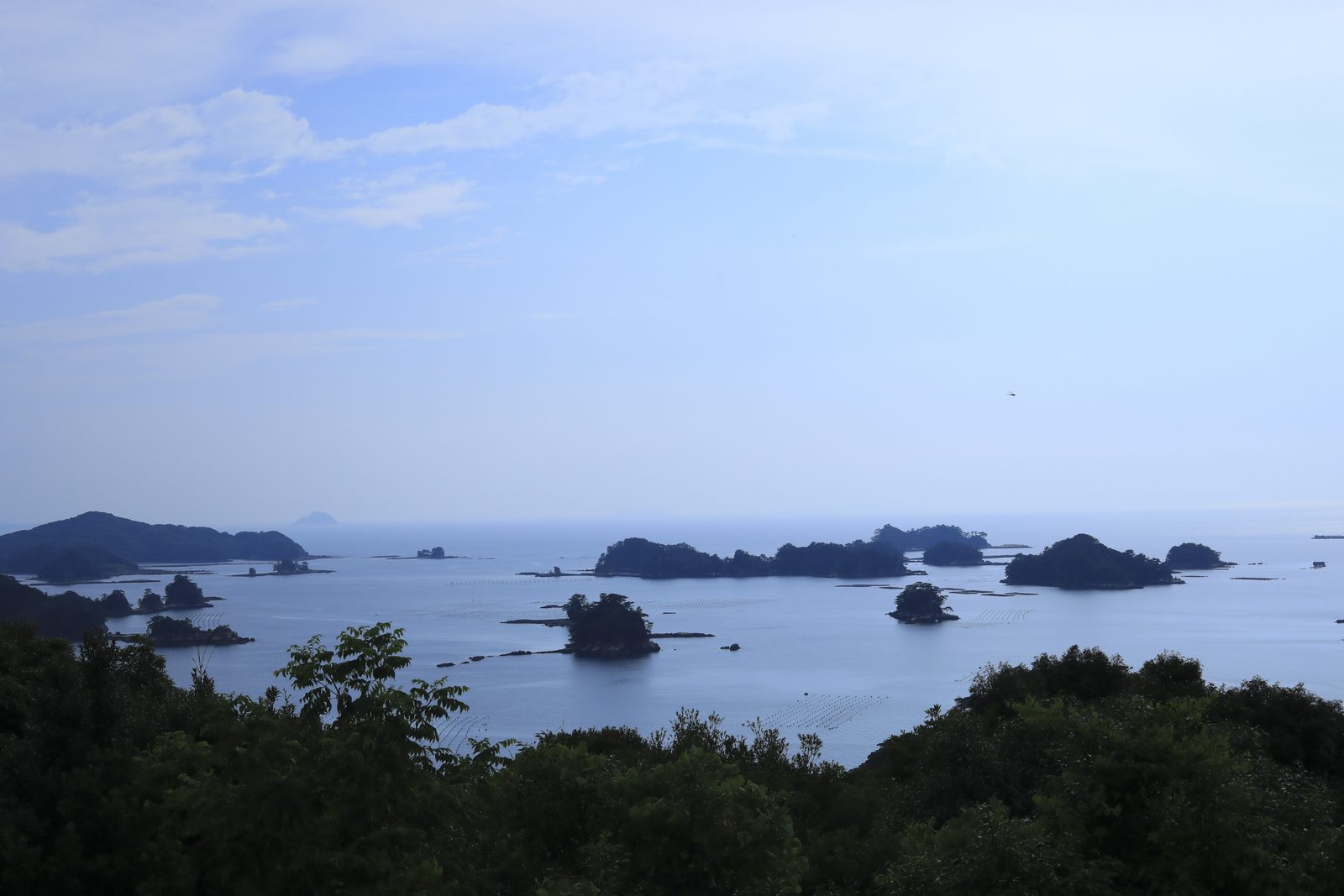
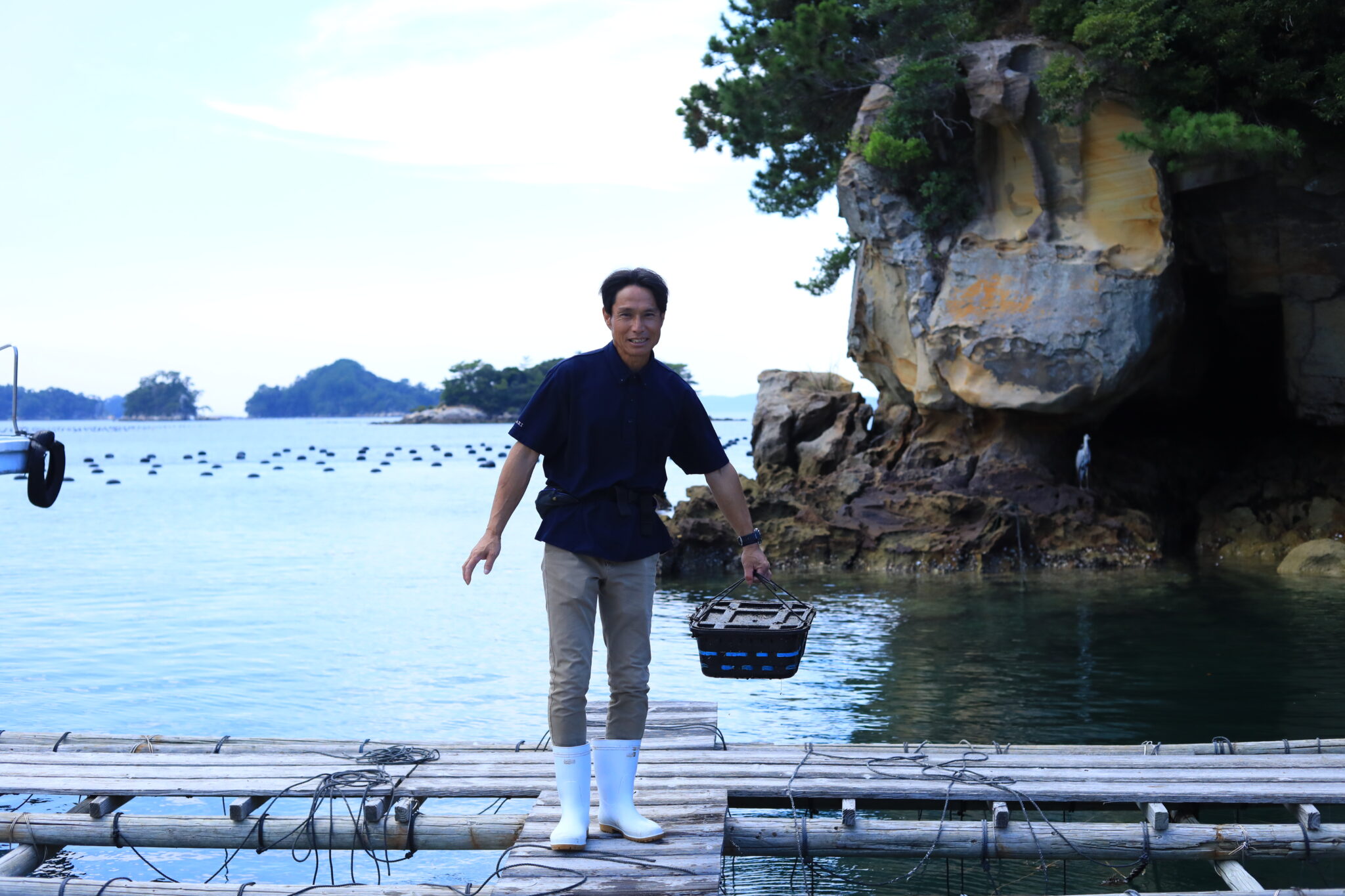
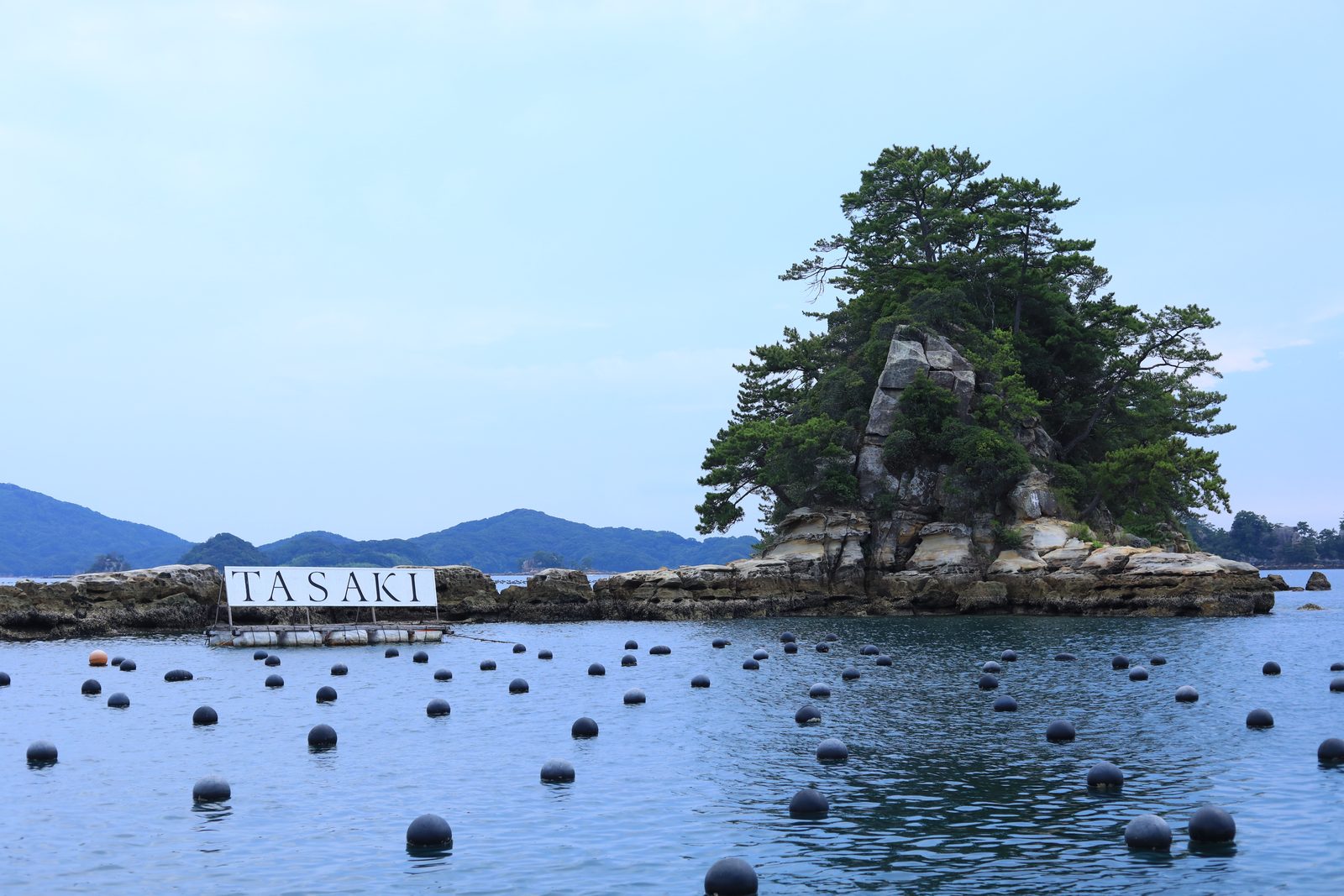
In pursuit of beautiful pearls and the pristine waters that nurture them, we traveled to TASAKI’s pearl farm in the Kujukushima archipelago, in Sasebo, Nagasaki Prefecture.
Before us stretched a tranquil seascape of winding rias coastlines and scattered islands. Beneath the surface, tens of thousands of Akoya oysters swayed gently with the rhythm of the waves.
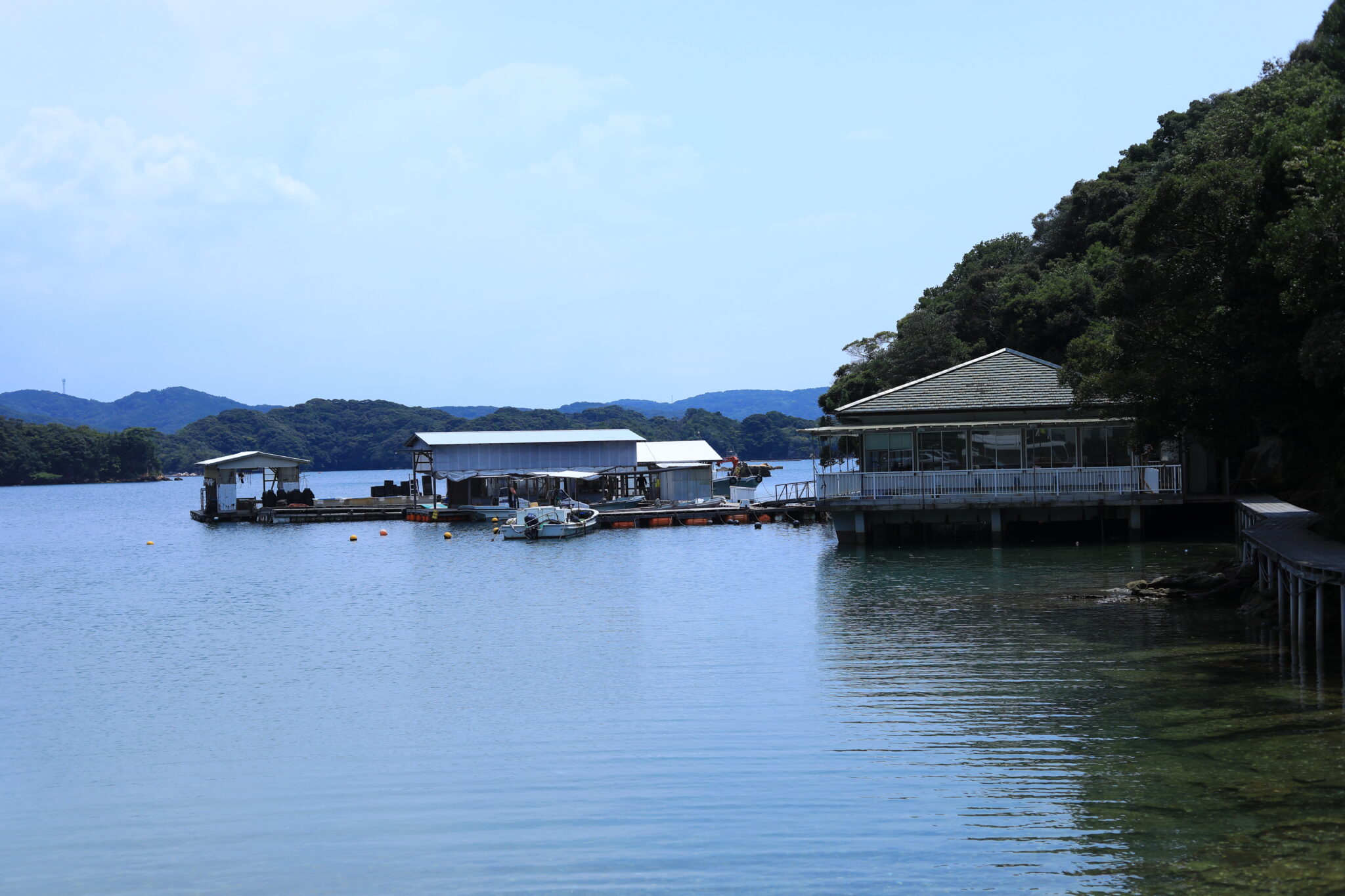
The Kujukushima farm plays a vital role in cultivating the mother oysters from which TASAKI’s pearls are born. Once raised here, the oysters are sent to the company’s other pearl farms in Uwajima, Ehime Prefecture, and Ise-Shima, Mie Prefecture. Across these three locations, nuclei are carefully implanted into the oysters, setting in motion the natural process of pearl formation.
When we hear the word “cultivation,” we tend to think of controlled conditions and predictable results. It may conjure up an image of pearls being produced according to precise human specifications, much like manufactured goods.
The reality, however, is far less predictable. It takes three to four years to raise Akoya oysters from eggs to the point where they can yield pearls ready for harvest. And throughout much of this time, the process depends on the natural environment of the ocean.
A pearl forms through the accumulation of thousands of microscopic layers of nacre, a substance composed primarily of calcium carbonate and proteins. Secreted by the oyster as a protective response to a foreign object inside its body, nacre gradually builds up to create the pearl. As the oysters grow in the sea, the role of pearl farmers is not to dictate the outcome, but to maintain an environment in which the oysters can thrive, free from undue stress.
No matter how carefully they are raised, every pearl is unique. Water temperatures fluctuate, ocean currents shift, and the composition of the plankton on which the oysters feed changes over time. The oysters’ health is equally vulnerable to environmental conditions, including devastating red tides and viral infections. These countless, ever-changing factors make pearl cultivation impossible for humans to control everything.
Human skill combined with science is the back bone of TASAKI’s pearl cultivation
Although the marine environment is beyond human control, pearl cultivation demands an extraordinary level of technical skill. One of the most critical stages is “nucleus implantation,” a delicate procedure that can determine the success of the entire cultivation process.
The procedure involves implanting two components into a “mother oyster,” the Akoya oyster in which the pearl will develop: a round nucleus and a small square of mantle tissue, known as a “piece,” measuring approximately two millimeters on each side. The nucleus provides the foundation for the pearl, while the piece contains the cells responsible for producing nacre.
The quality of the piece is considered crucial to the quality of the resulting pearl, so only tissue from oysters in particularly good condition is selected. Working with remarkable precision, the technician identifies the piece’s front and back, positions it carefully against the nucleus, and swiftly implants both into the mother oyster by hand.
A TASAKI technician who studied fisheries science at university walked me through the procedure. Before my eyes, she examined each Akoya oyster individually, using her fingertips to locate the precise implantation point according to the characteristics of its body. Then, in one swift, assured movement, she inserted the nucleus and piece.
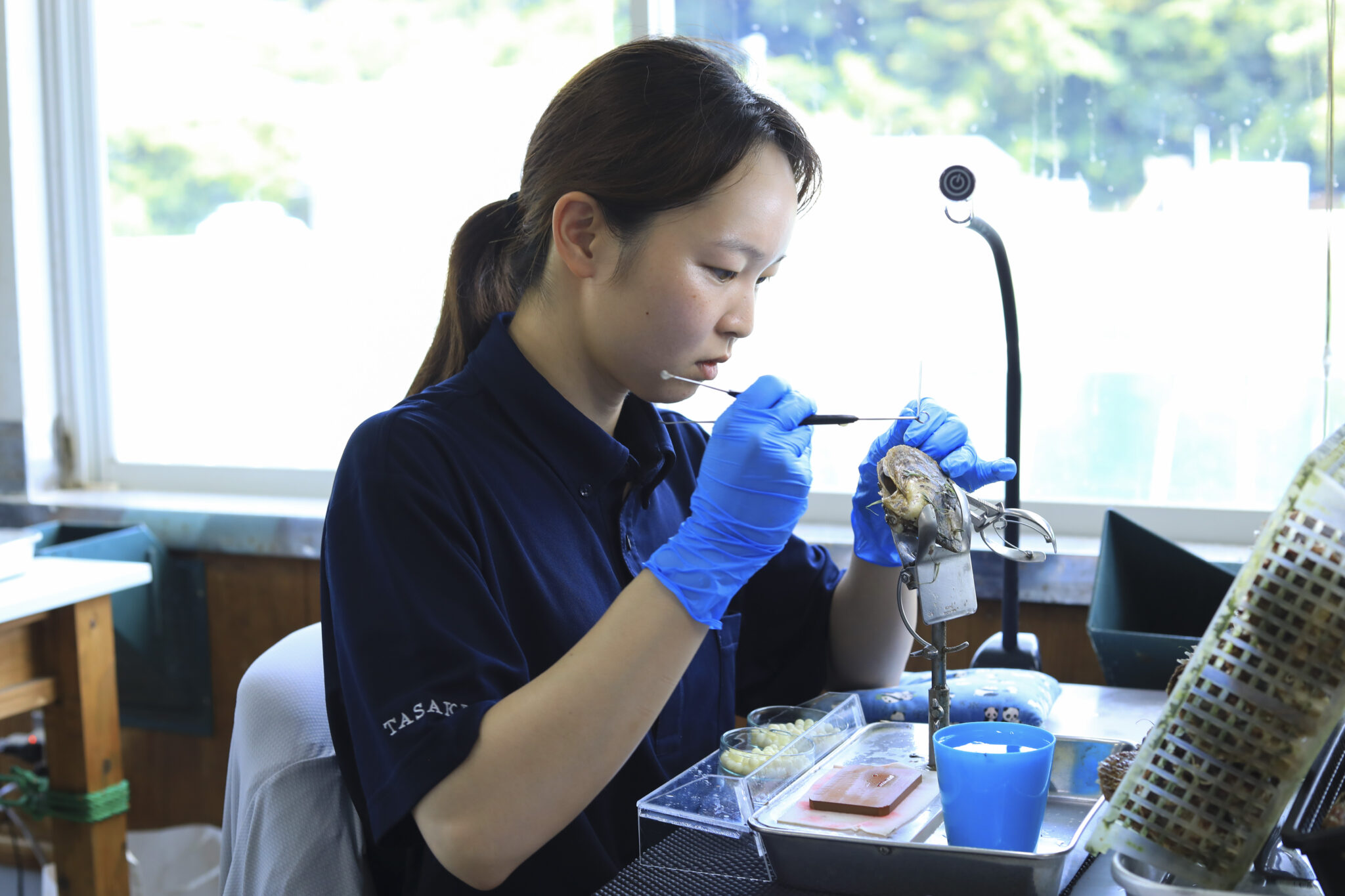
“Think of it in human terms: nucleus implantation is like introducing a foreign object into the body. It places considerable stress on the mother oyster. If the procedure is not performed correctly, the oyster may expel the nucleus, or, in cases of extreme stress, it may even die.”
It is an exceptionally delicate procedure, one that cannot simply be delegated to robots. TASAKI records each technician’s results, tracking both the survival rate of mother oysters after implantation and the quality of the pearls they eventually produce. These records are used to provide valuable feedback to the technicians.
Even successful implantation does not guarantee that a pearl will form. The oyster must first develop a structure called a “pearl sac,” which forms around the implanted nucleus. The cells lining this sac secrete nacre, gradually building up the layers that become the pearl. Without a properly formed pearl sac, no pearl can develop.
According to Manager Nonaka of the Kujukushima Pearl Farm, the oyster is prepared to become a mother oyster by repeatedly performing the “rearing” process, which involves replacing the cages as the juvenile oysters grow.
When the oysters are young, they are kept in fine-mesh cages that protect them from predators such as crabs. As they grow, the mesh is gradually replaced with coarser netting, and the number of oysters in each cage is reduced to give them more room to develop. Barnacles and other organisms that attach themselves to the shells and impede growth are also regularly removed.
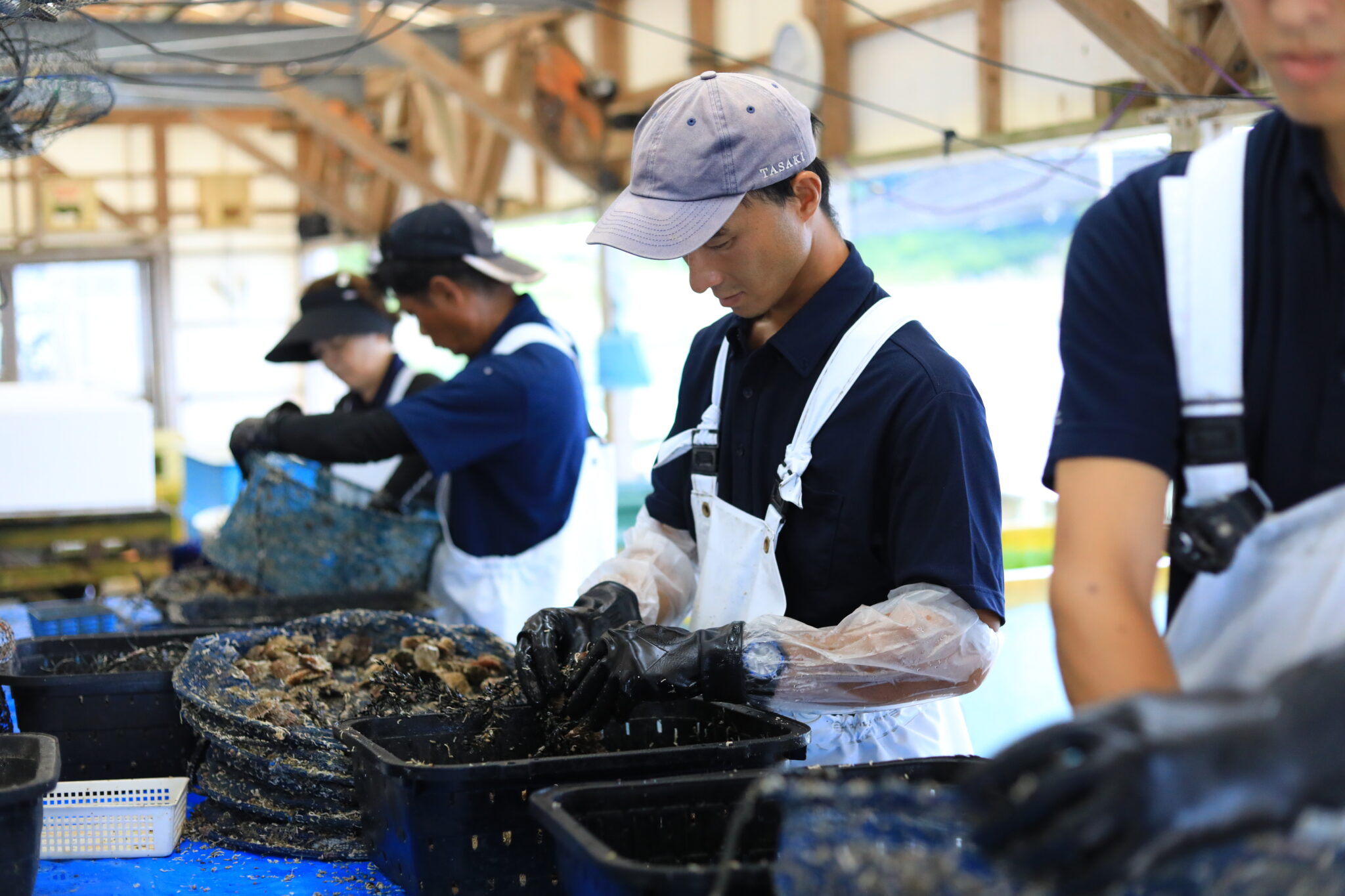
After a sufficient period of rest, the oysters are finally transported to the main offshore pearl farm, where the next stage of cultivation begins.
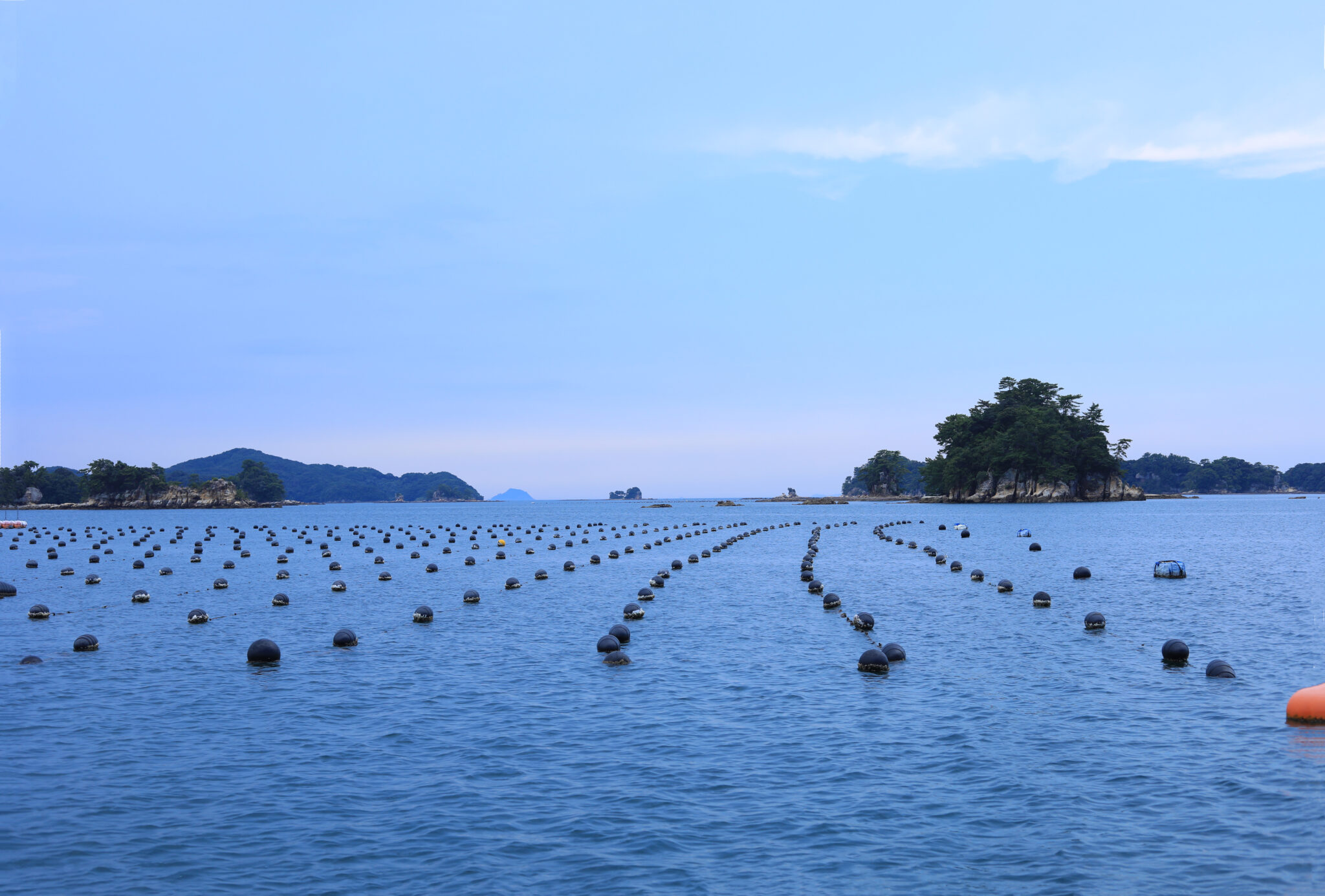
Because the shape and color of pearls are influenced by the plankton the oysters feed on, selecting the right location for cultivation is essential. The team carefully studies ocean currents and positions its aquaculture rafts where nutrient-rich waters carry an abundant supply of plankton.
As we traveled by boat to the offshore pearl farm, we were captivated by the tranquil beauty of the surrounding seascape. Once we reached the farm and secured the boat, Manager Nonaka hauled the oyster cages up from the water.
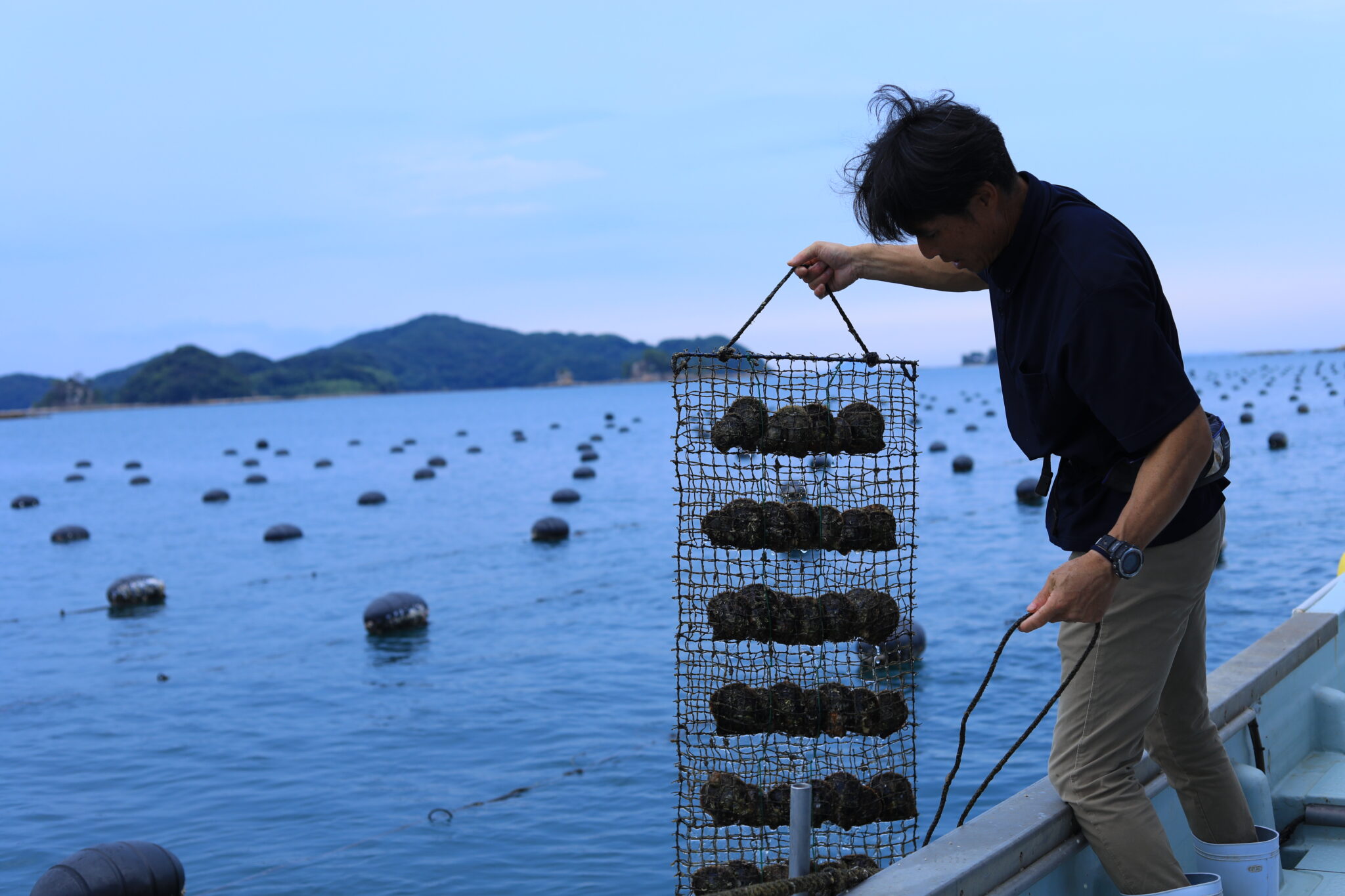
Each member of our team was invited to choose three Akoya oysters. Despite being cultivated through a combination of scientific knowledge and artisanal expertise, the oysters hold no guarantees. Some may contain no pearl at all while others may yield pearls that are less than perfectly round or varied in color.
So, did the oysters we chose have pearls in them?
There was only one way to find out. Right before our eyes, the staff opened the shells one by one. Each time a pearl emerged, cheers and delighted exclamations broke out among us.
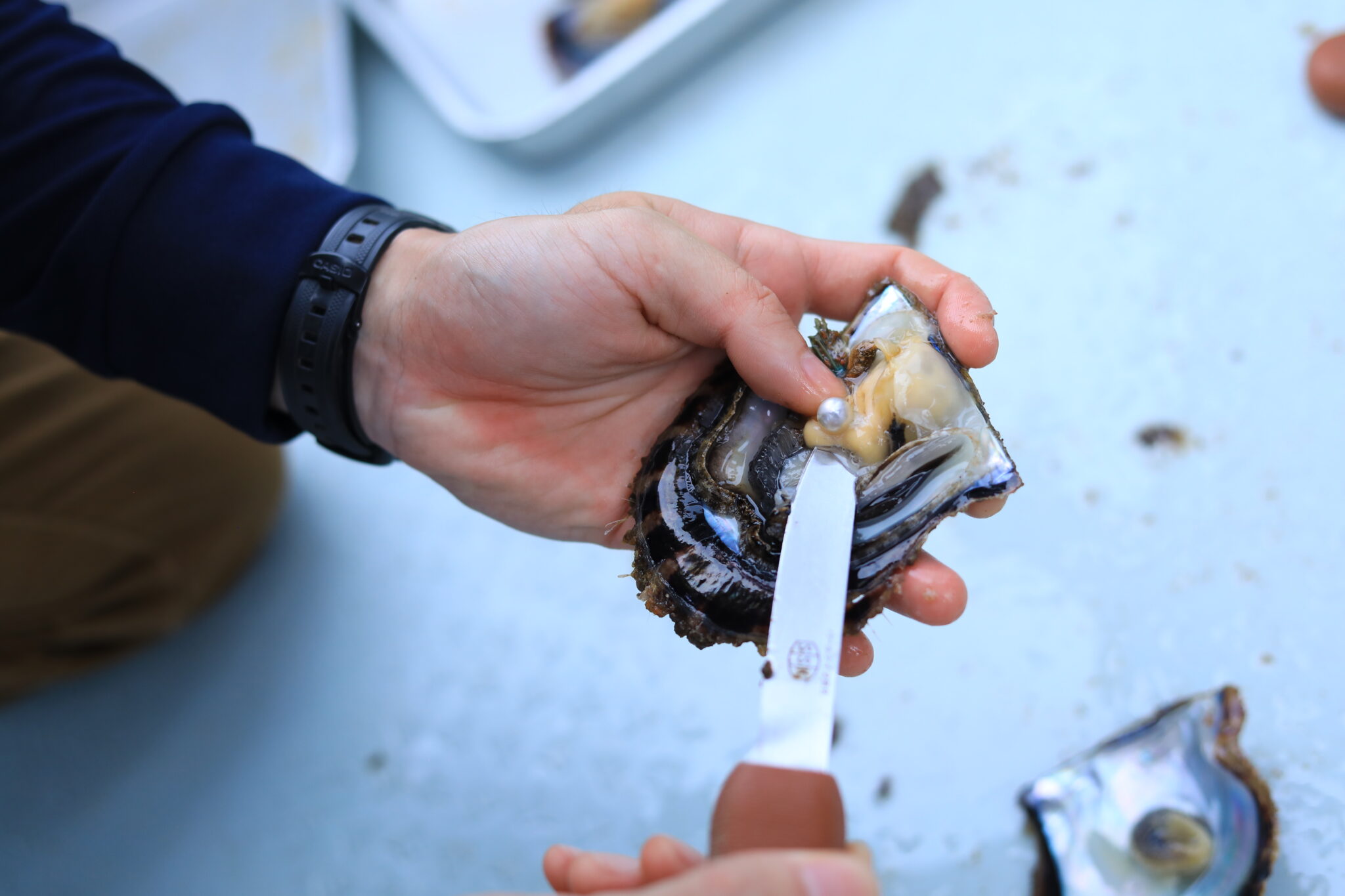
Although the Akoya oysters had all been raised in the same basket, the pearls they yielded varied remarkably in color, shape, and luster.
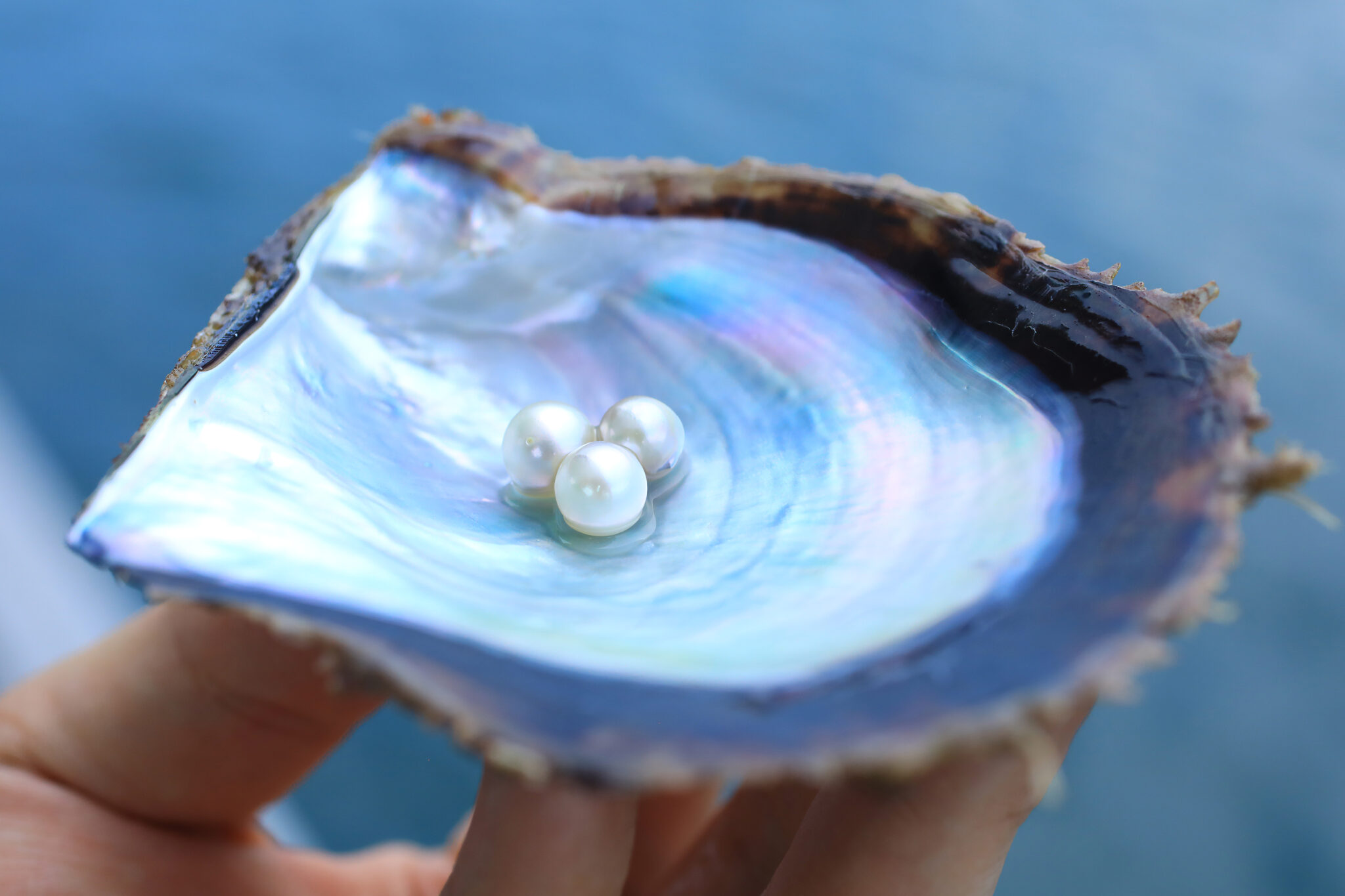
Not every pearl cultivated here ultimately becomes a piece of jewelry. Of the pearls harvested, only about 30 percent meet TASAKI’s strict quality standards.
Each pearl is nurtured by nature. Even when grown in the same sea under identical conditions, no two pearls are ever exactly alike. Witnessing their remarkable differences brought home to us once again that pearls are a form of natural luxury, fundamentally different from anything manufactured.
I asked Manager Nonaka what he thought when he first encountered TASAKI’s iconic balance design, in which top quality pearls are arranged in a perfectly straight line.
“I realized that this was a design that left absolutely no room for compromise,” he reflected. “At first, I thought it would be impossible to achieve.”
Developing mother oysters that are resilient to climate change and warmer waters
At TASAKI, preparations for unforeseen circumstances begin well in advance. Anticipating risks such as natural disasters, red tides, and rising water temperatures, the company raises sufficient numbers of mother oysters to meet its production plans. It also shares information on red tide outbreaks and other developments with neighboring fishermen, enabling the entire region to monitor and respond to changes in the marine environment together.
TASAKI’s technicians work carefully to maintain an environment that minimizes stress on the oysters. However, recent climate change, particularly rising sea temperatures, is affecting not only pearl quality but also the immune function of mother oysters. Higher water temperatures can also accelerate the activity of pathogens and viruses, increasing the risk of infection and potentially triggering a vicious cycle of mass mortality.
To address these environmental challenges, TASAKI is taking a genetic approach.
Its goal is to develop mother oysters that combine high-temperature tolerance with the ability to produce beautiful nacre. By analyzing genetic information extracted from Akoya oyster blood, the company identifies heat-tolerant strains and repeatedly crossbreeds them with strains known for their beautiful luster. The resulting oysters are also showing promising growth data at other aquaculture farms.
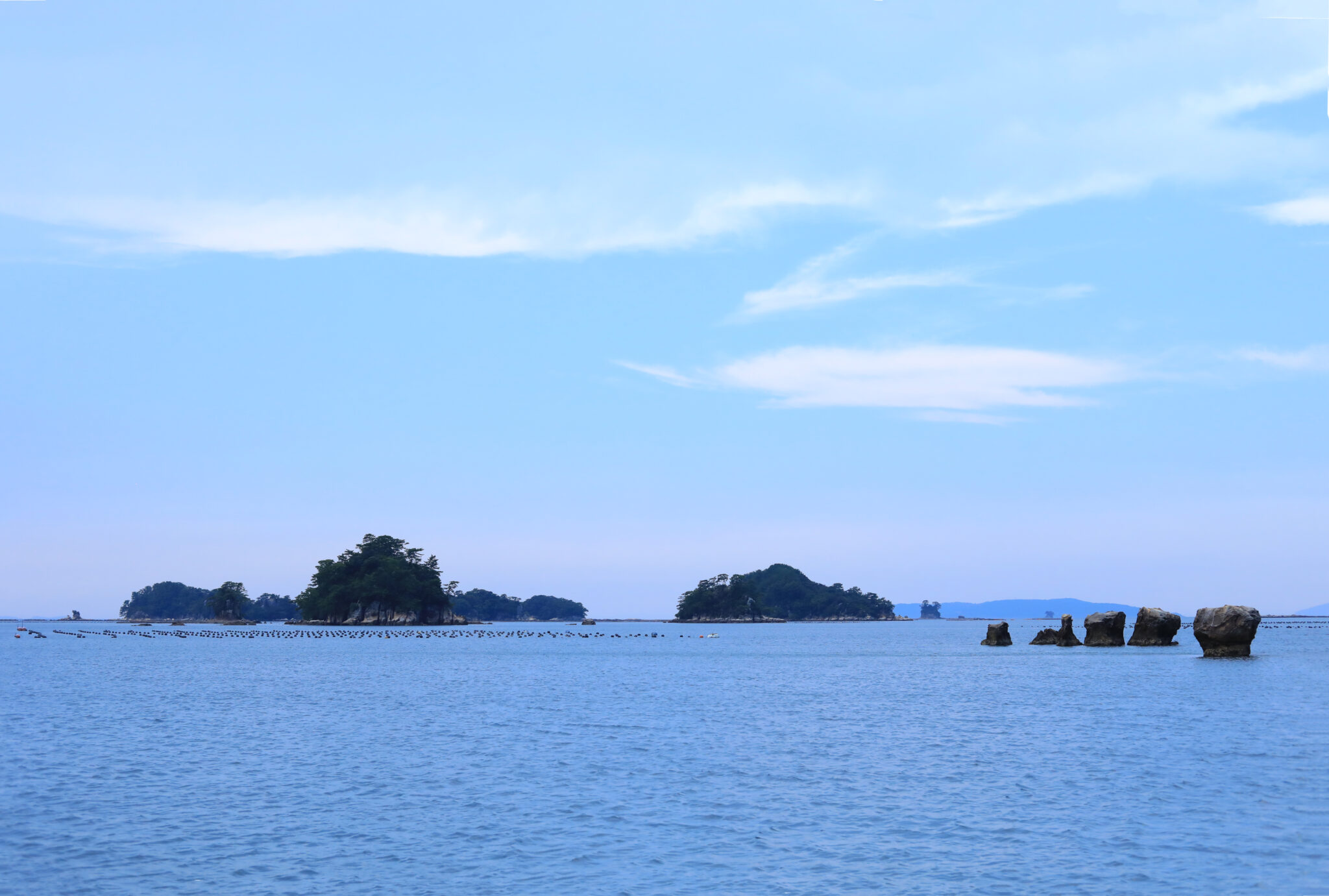
Visiting the atelier in Kobe. The professionals who assess the quality of the pearls
Pearls cultivated in Nagasaki, Ehime, and Mie are transported to TASAKI’s atelier in Kobe, the birthplace of the company.
With its international seaport, Kobe has been a major center for pearl processing and trade since the Meiji era. Known as “Pearl City,” it is where approximately 70 percent of the world’s Akoya pearls in circulation are gathered.
After harvest, pearls that meet the initial quality standards undergo an even more rigorous selection process at TASAKI’s Kobe atelier. At this stage, the discerning eyes of highly skilled craftsmen play an essential role.
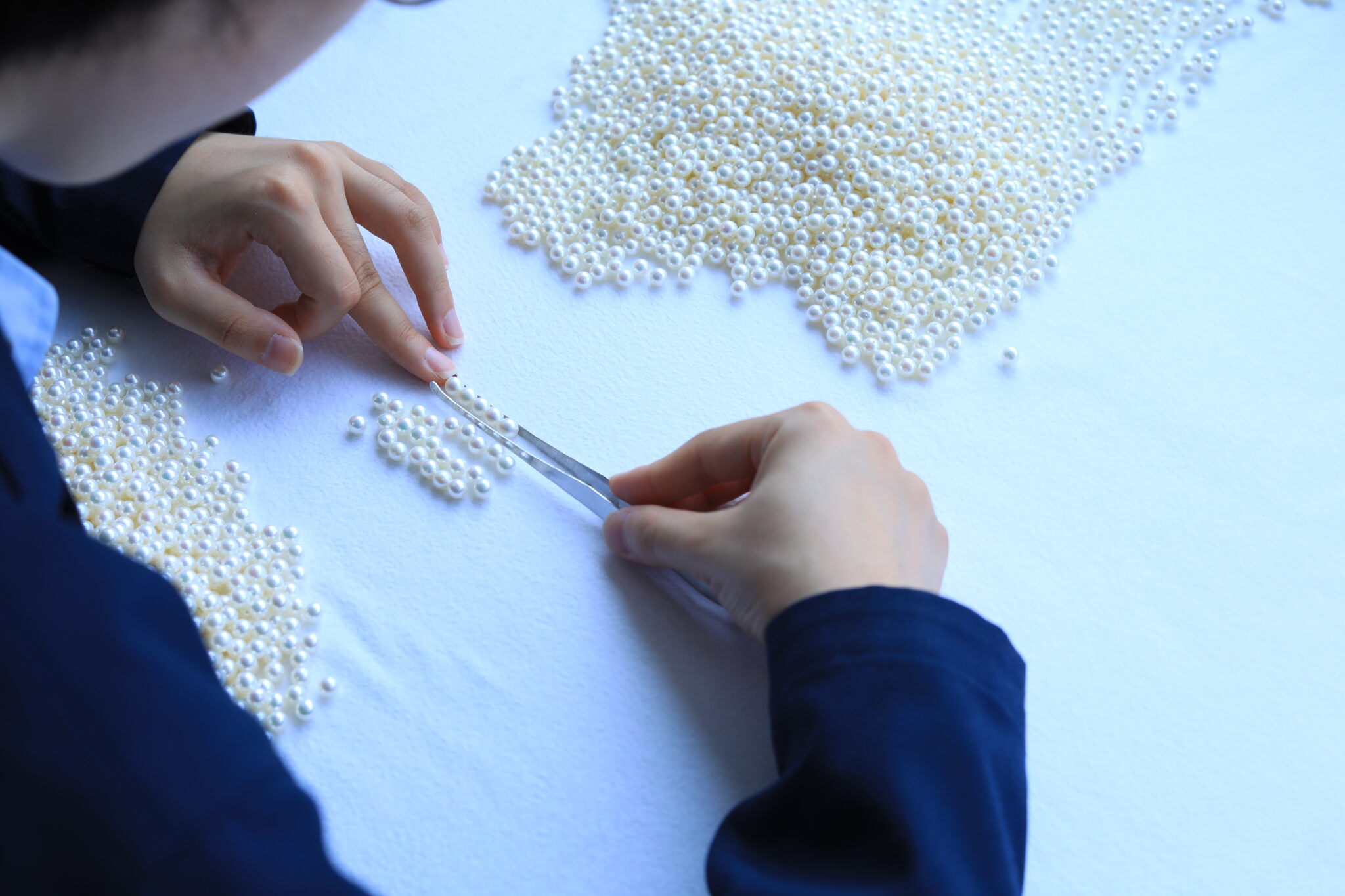
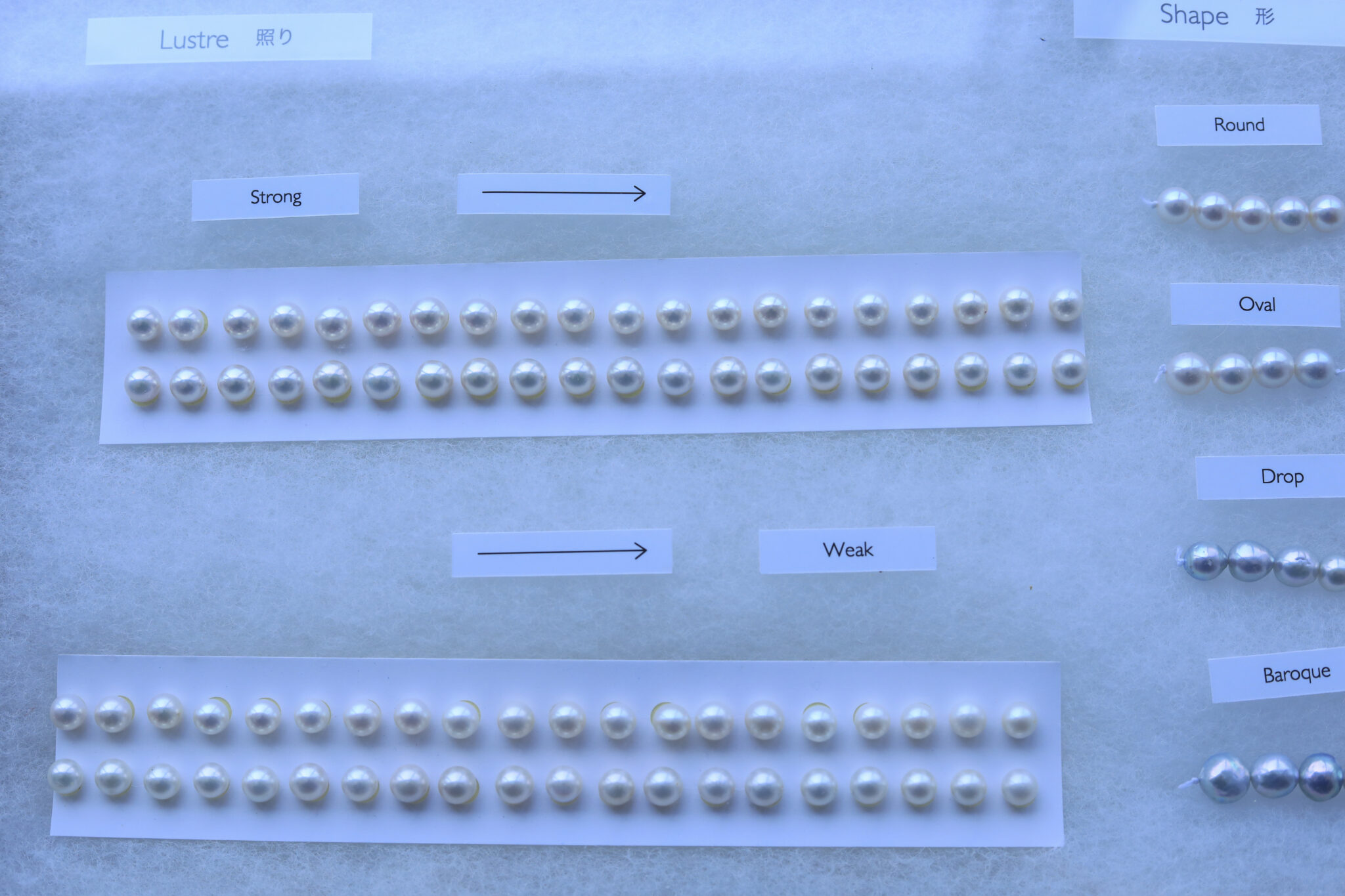
Pearl quality is assessed according to five criteria: nacre, luster, color, shape, and size.
At TASAKI, particular importance is placed on nacre thickness, each measuring just 0.3 to 0.5 micrometers, and the luster created as light repeatedly reflects and refracts within these uniform layers.
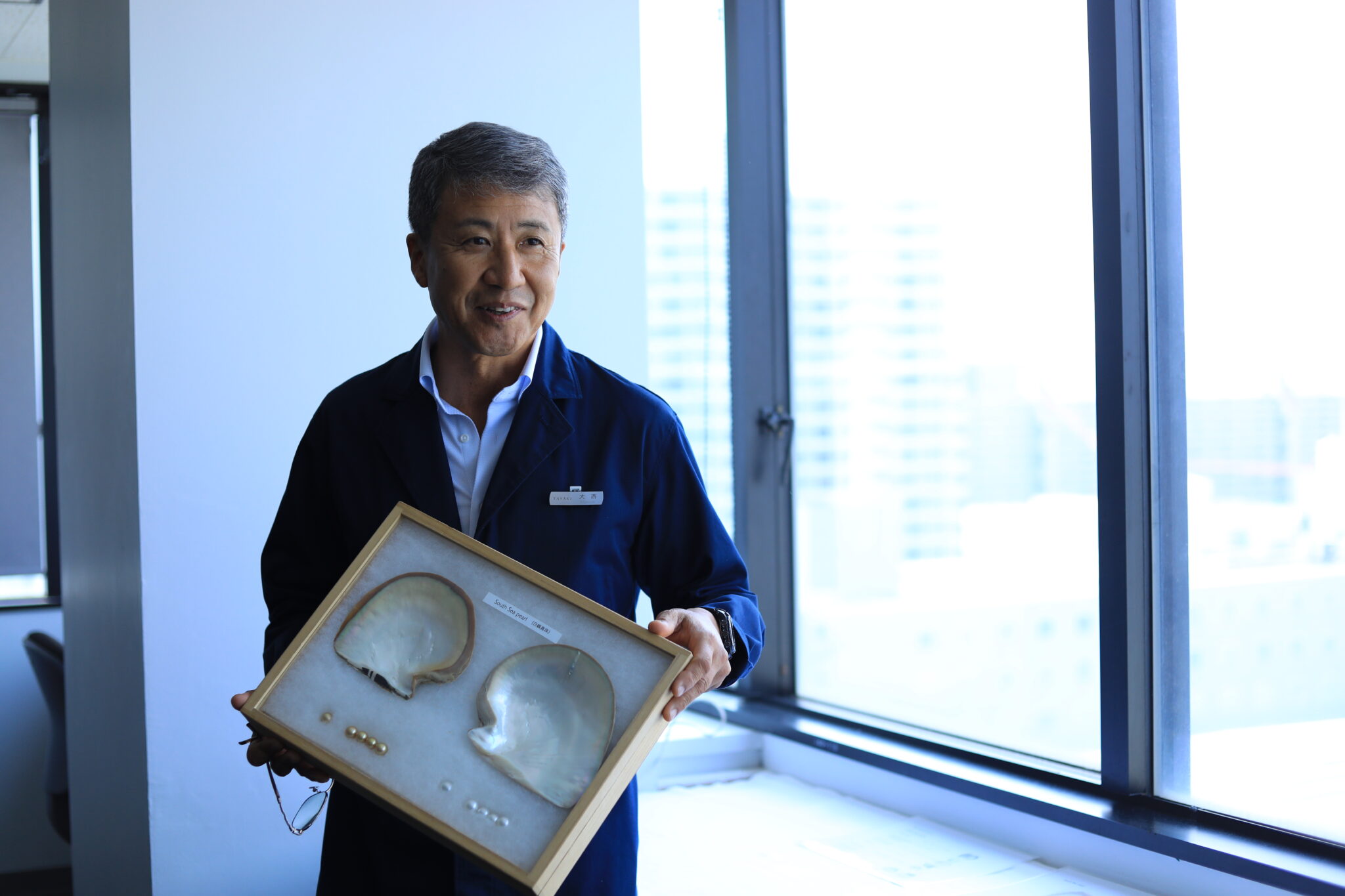
“Ultimately, it comes down to the human eye,” says Onishi, Senior Manager of the Materials Processing Department, who has been with TASAKI for 38 years. “No matter how many stages of production a component has passed through, if something feels even slightly off during final assembly, we start over.”
Creating a multi-pearl necklace requires a discerning eye to recognize the individual characteristics of each pearl while ensuring that they harmonize beautifully as a whole. TASAKI sorts its pearls into more than 20 categories based on factors such as color and luster, then carefully selects pearls from the same category to create a necklace with a seamless, balanced beauty.
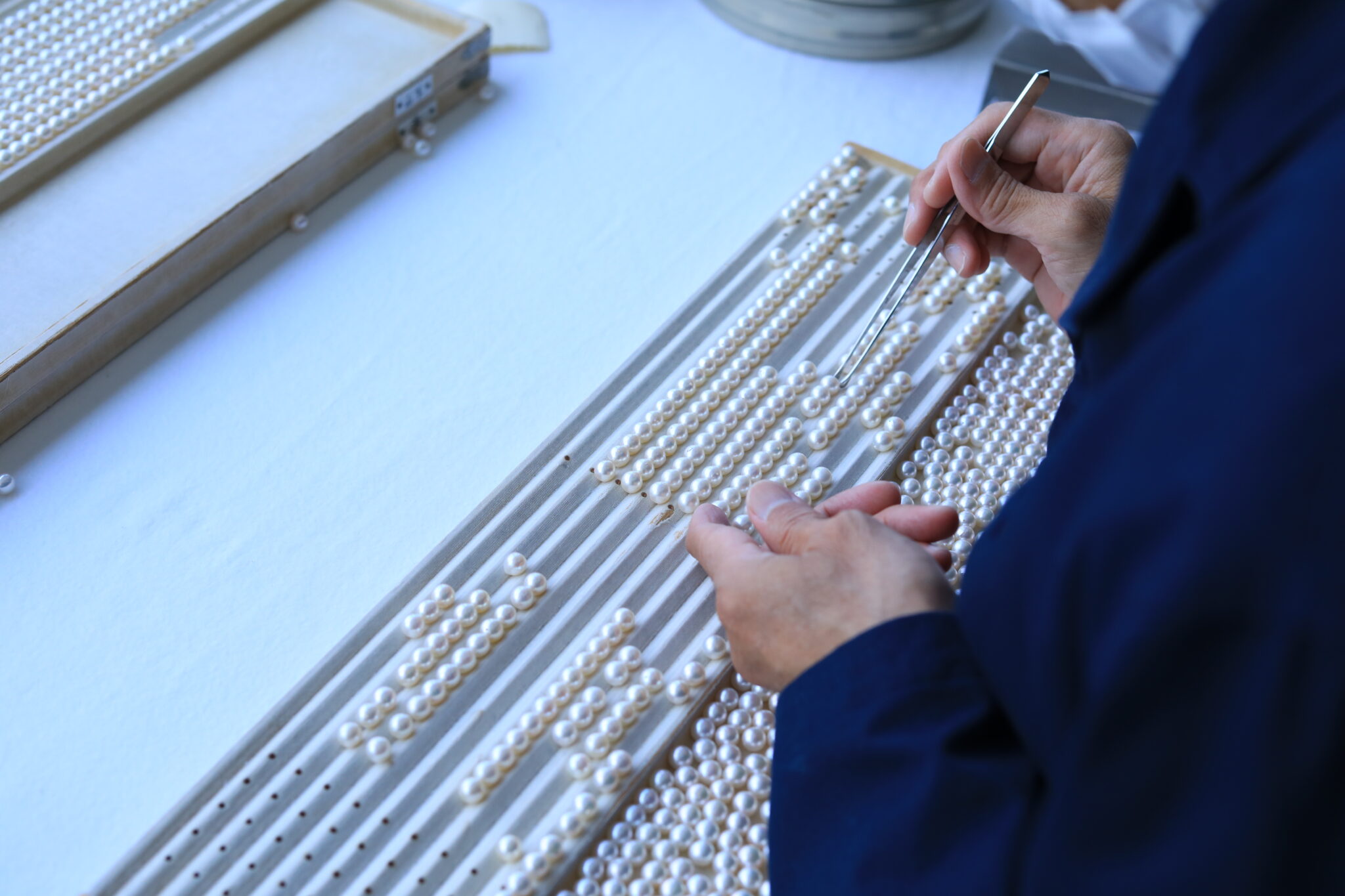
The necklace is designed with careful consideration of the body’s contours, proportions, and visual perception. Each pearl is selected and arranged in a delicate gradient of less than one millimeter, with the central pearl resting at the chest being fractionally larger. This subtle adjustment creates a harmonious balance, making the pearls appear uniform in size when worn.
Working under natural north-facing light, where illumination remains consistent, the craftsman rotates each pearl for just three seconds to detect even the slightest scratches or irregularities. A hole is then drilled at the least conspicuous point, preserving the pearl’s beauty as much as possible.
Only the finest pearls are selected for TASAKI’s balance collection. It is said that pearls meeting these exacting standards account for less than one percent of the entire harvest.
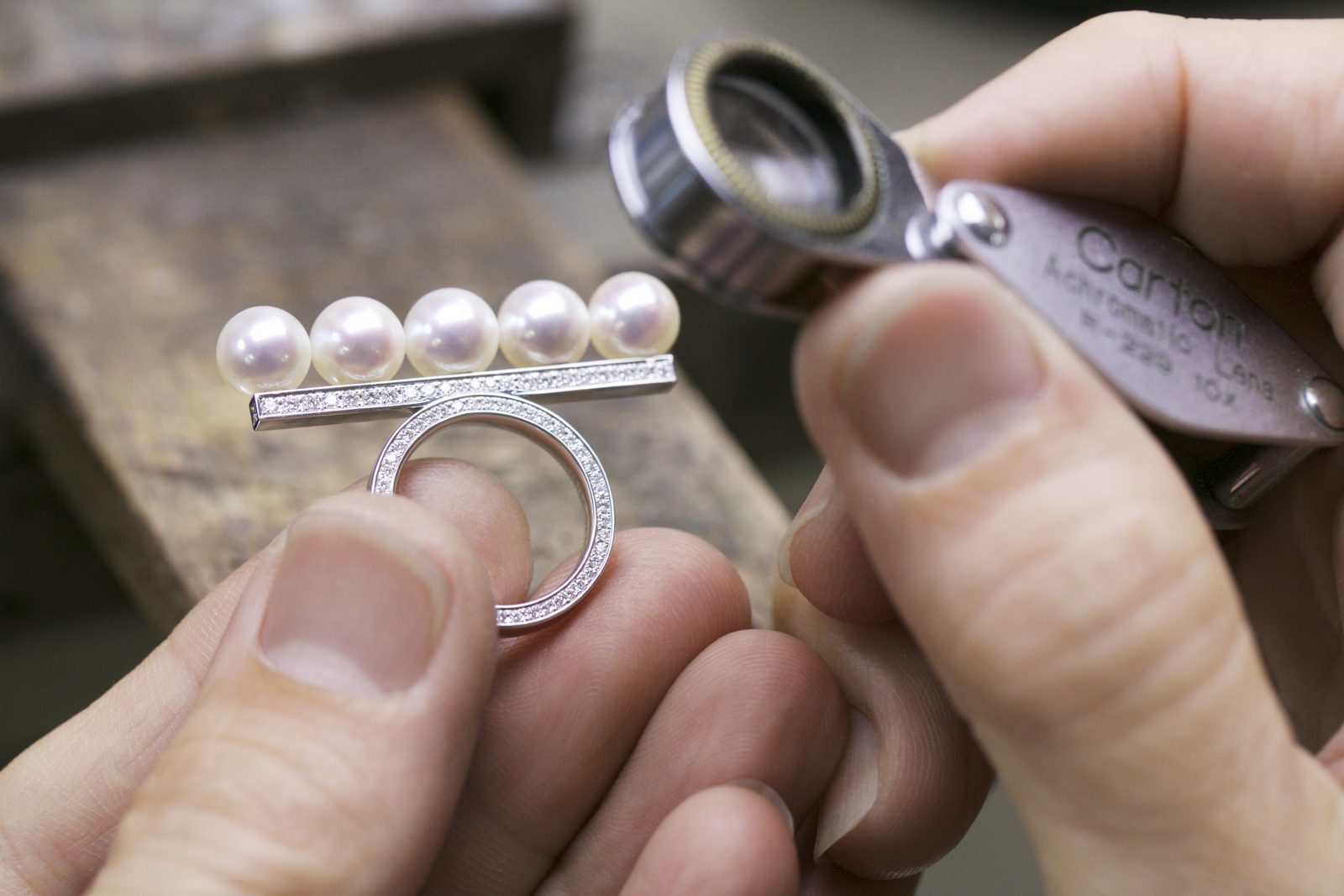
On the workshop floor, where intricate decorative details take shape, a senior artisan worked with two younger craftsmen at his sides.
Watching the subtle movements of his fingers, the younger craftsmen honed their own techniques, with the opportunity to seek his guidance whenever questions arose. This multigenerational working environment allows the delicate skills and intuition that cannot be fully conveyed in manuals to be passed down through daily practice, ensuring that TASAKI’s exacting standards of craftsmanship endure for generations to come.
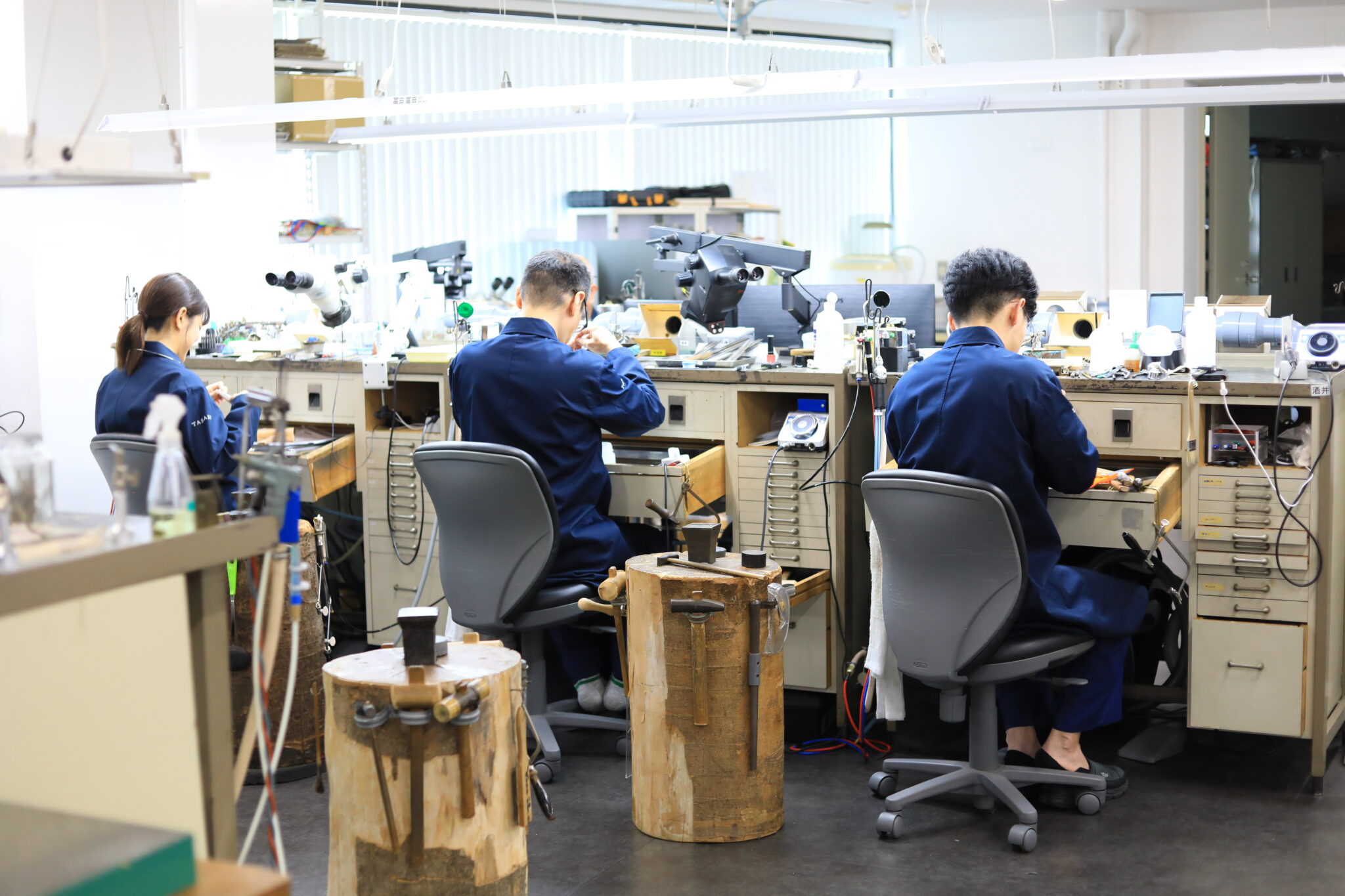
On this day, a craftsman was transforming a pearl necklace, long cherished by its owner, into a brooch. The jeweler’s commitment to bespoke, one-of-a-kind creations and remodeling is made possible by the craftsman’s exceptional precision and skill.
Not only pearls. TASAKI’s diamond quality and cutting techniques
Pearls are not the only treasures that TASAKI transforms into exceptional jewelry. The company also works with the finest diamonds and colored gemstones, crafting them into exquisite high jewelry.
The round brilliant cut is designed to maximize a diamond’s brilliance by reflecting light internally and directing it back through the crown. TASAKI employs the latest 3D scanning technology to analyze each diamond’s inclusions and other characteristics, determining the ideal cut to bring out its full potential.
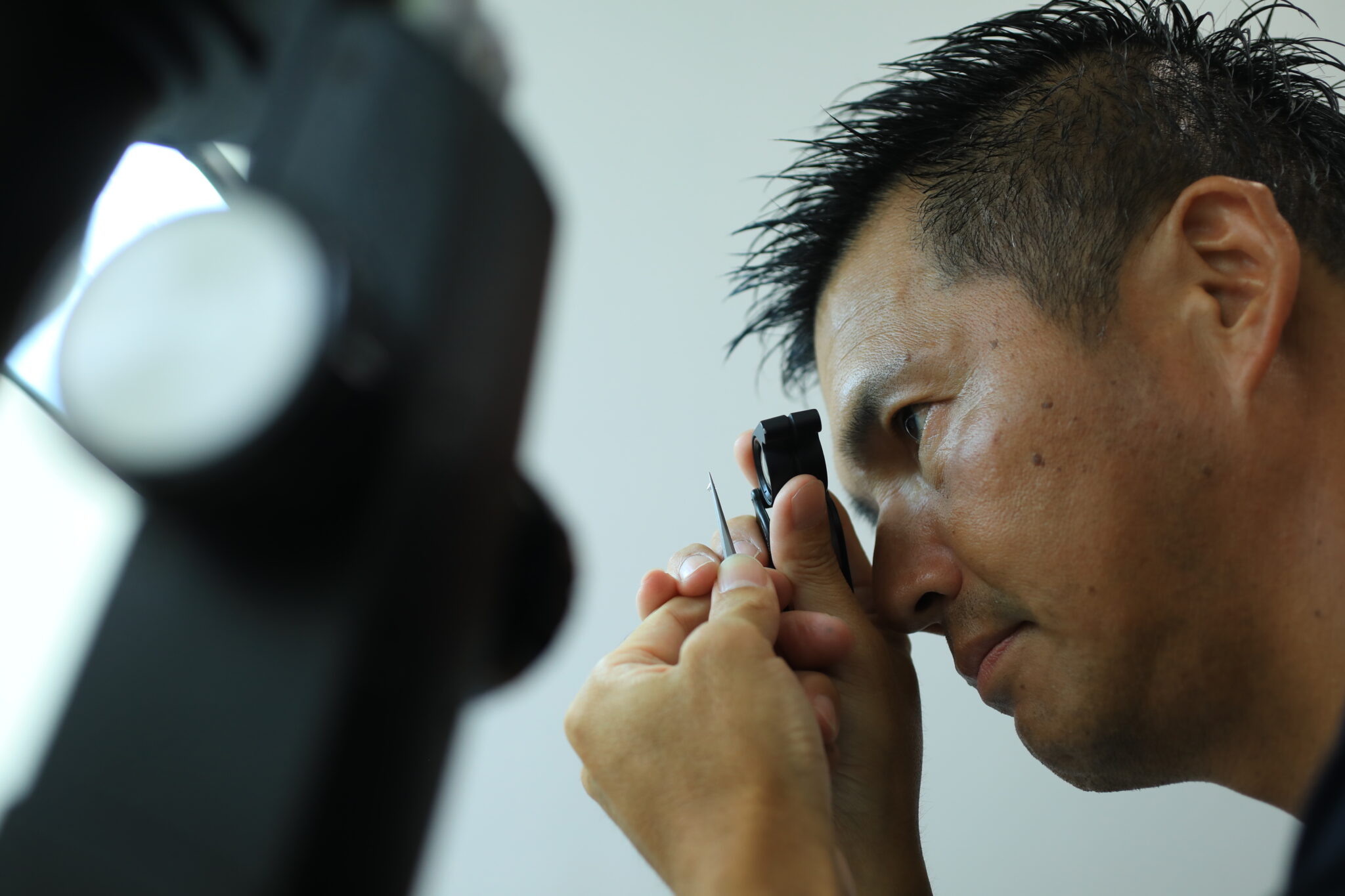
The final polish, however, relies on the expertise of the craftsman. Engaging all five senses, they listen to the subtle sounds and vibrations of the polishing machine and even detect the faint scent of heat generated by friction. Through this meticulous process, they refine each diamond to a level of precision that surpasses even international standards.
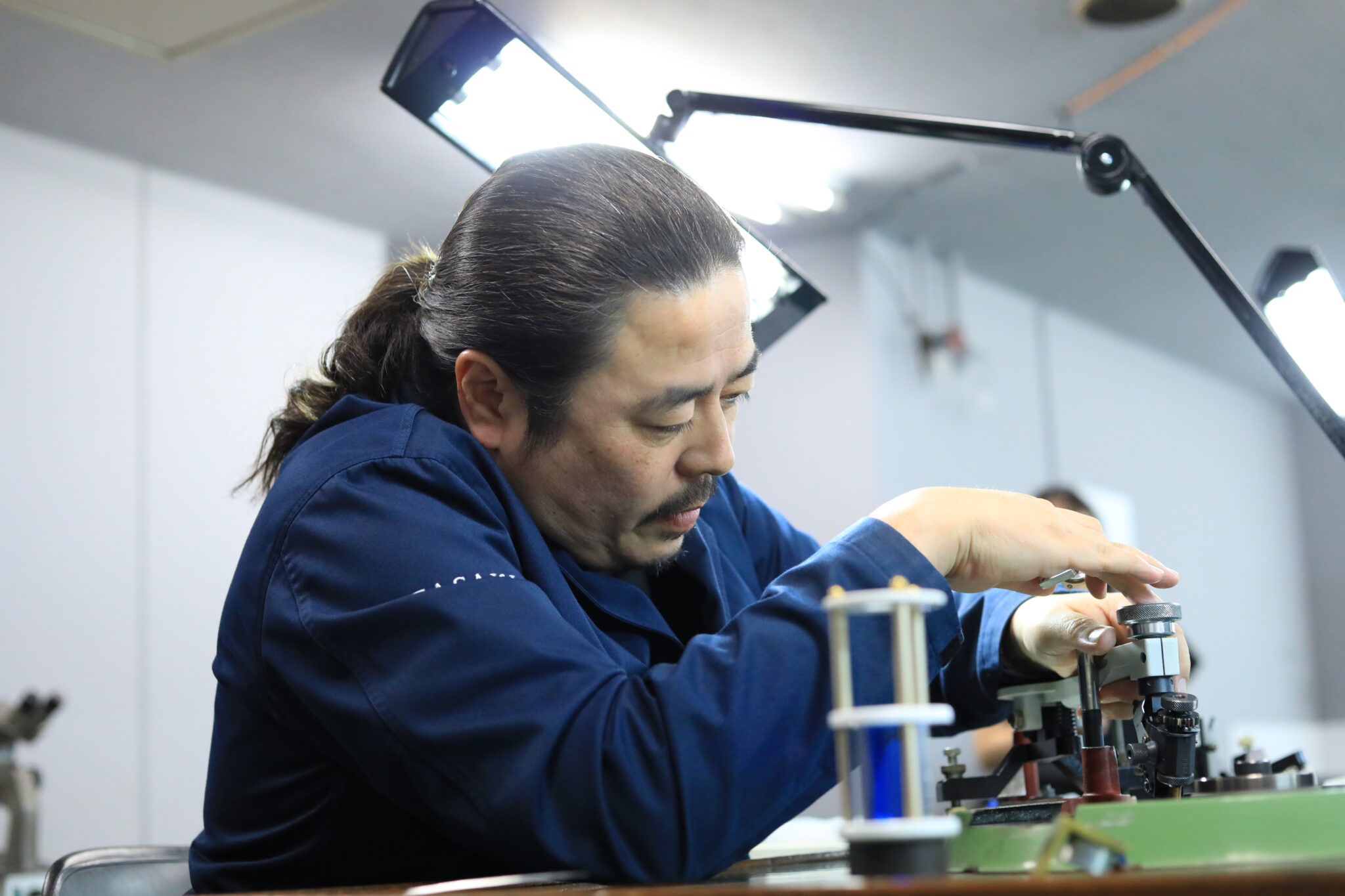
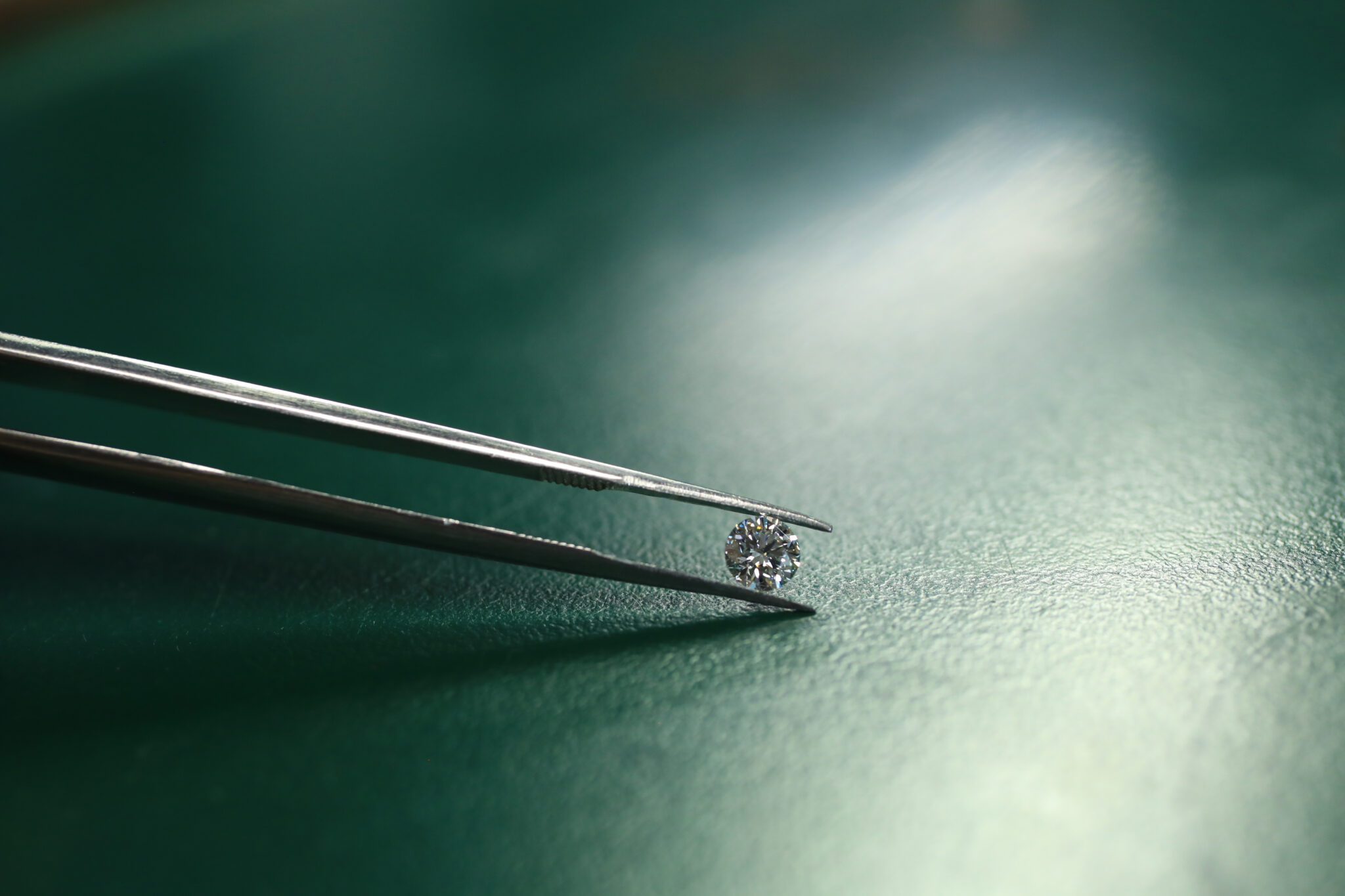
Even the quality of the tiny melee diamonds, reminiscent of the Milky Way, receives meticulous attention. As synthetic diamonds can be difficult even for professionals to distinguish from natural ones, every stone is individually inspected using specialized equipment to ensure that none have been inadvertently mixed in.
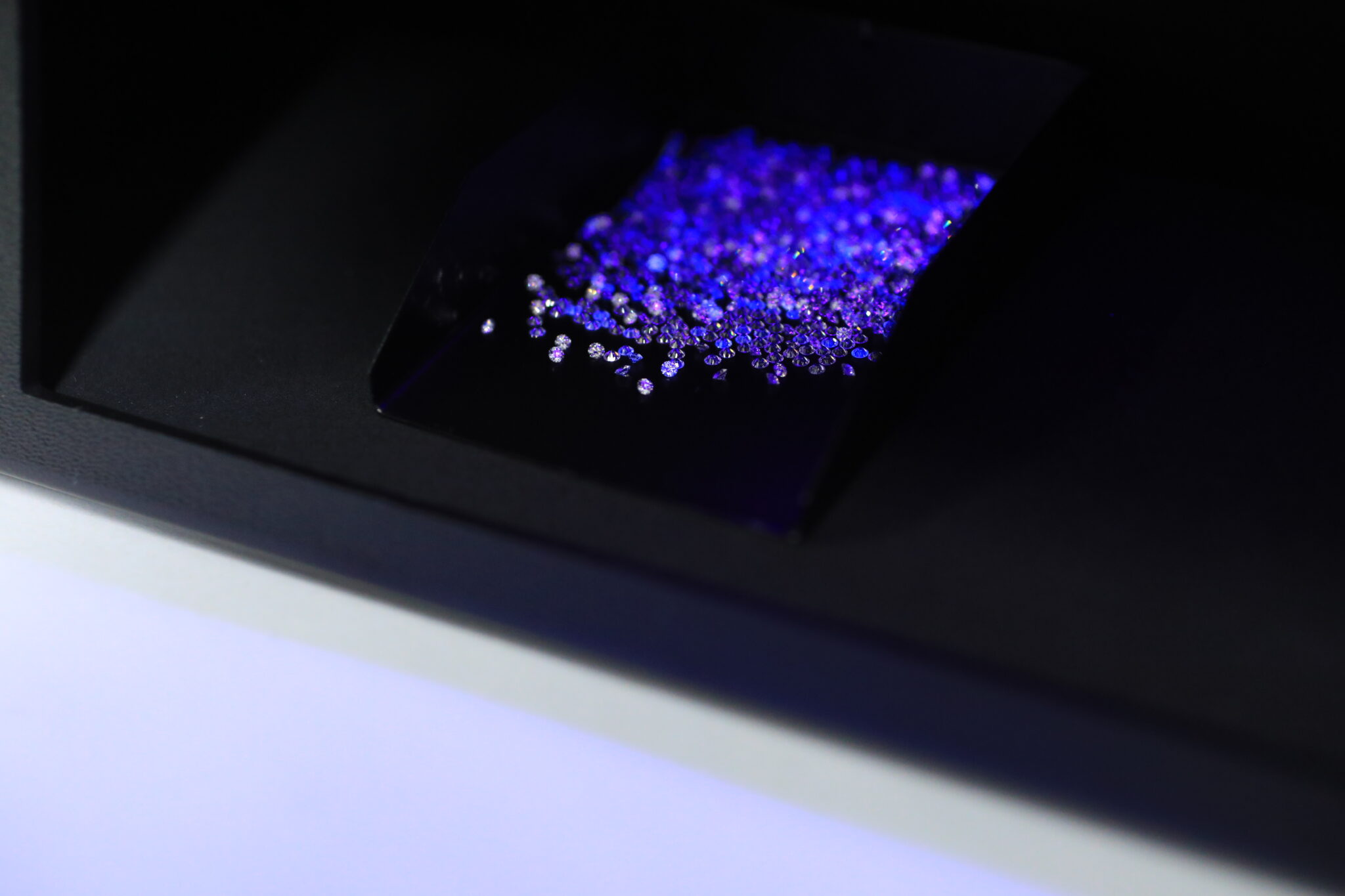
Craftsmen also inspect each melee diamond individually, some measuring less than a millimeter, assessing its clarity and cutting it in as little as five seconds.
Combining lab trials, craftsmen’s five senses and the latest technologies
Cutting-edge technology is employed not only at the pearl farms but also in the laboratory at TASAKI’s Kobe atelier.
Innovative designs from the company’s designers, including Thakoon Panichgul, the creator of the balance collection, are brought to life as three-dimensional models using 3D CAD. Highly precise prototypes are then produced using 3D printers.
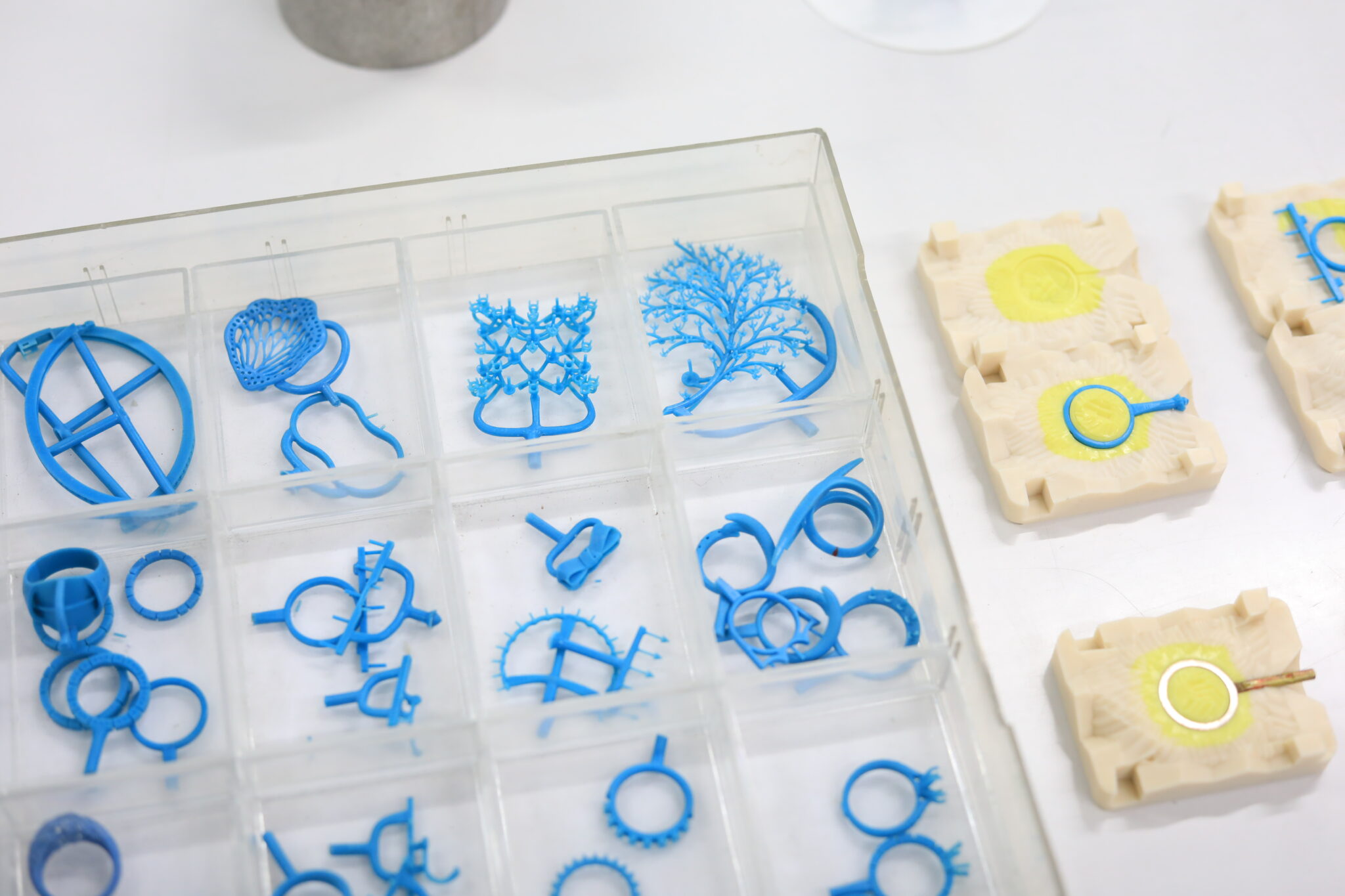
In the past, these models took days to produce by hand. Now, by the following morning, a mock-up complete with structural elements such as springs is ready for inspection. Using this prototype, the team can exchange feedback with the designer and refine the design further.
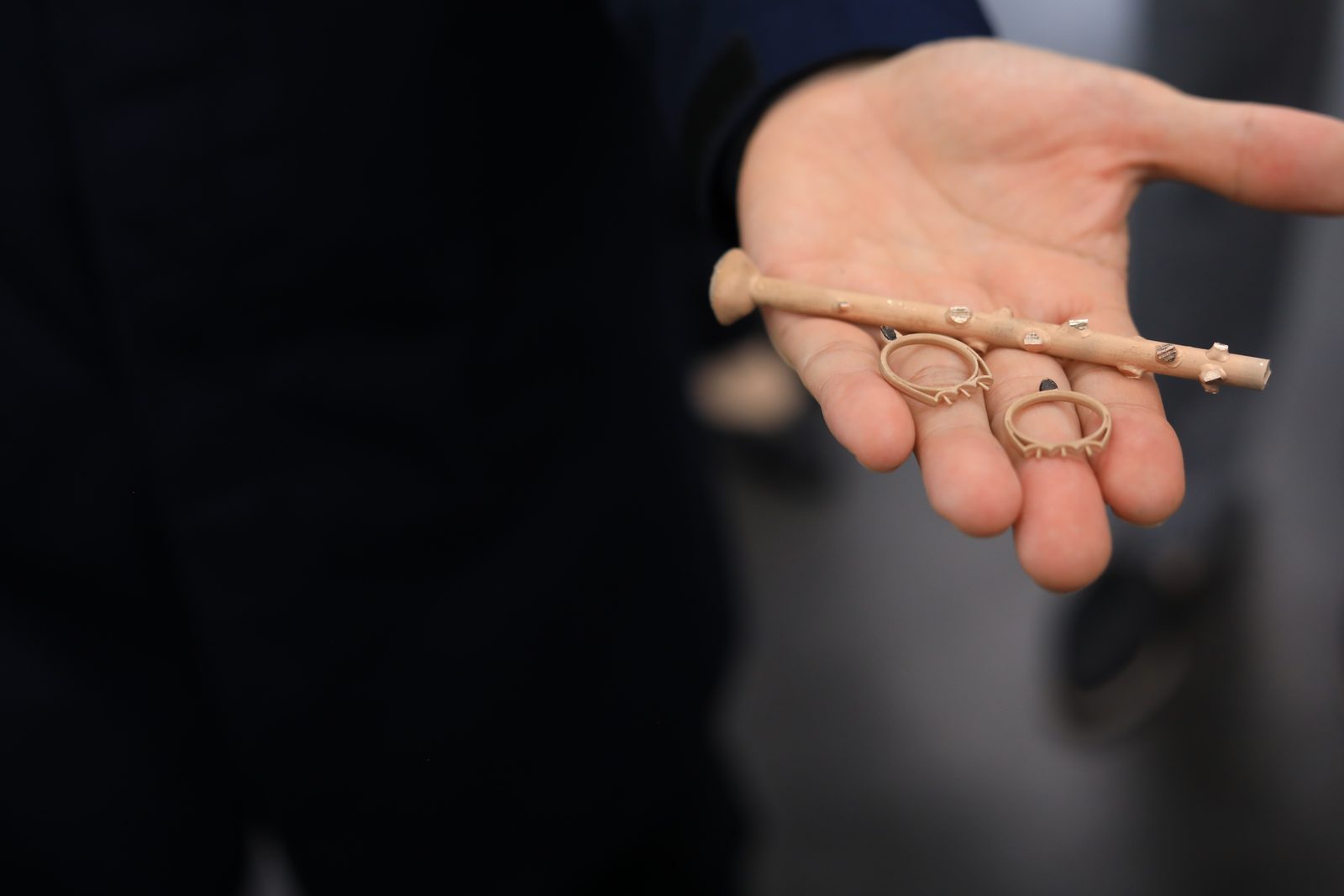
In an industry where jewelry is traditionally made through casting, in which molten metal is poured into a mold and left to cool and solidify, the introduction of numerically controlled (NC) machining centers has opened up new possibilities in design. This technology has expanded the possibilities of jewelry design, enabling the machining of intricate forms that require a level of precision previously difficult to achieve through traditional handcrafting techniques.
TASAKI’s commitment to innovation extends beyond its manufacturing processes to the development of proprietary precious metal alloys and materials.
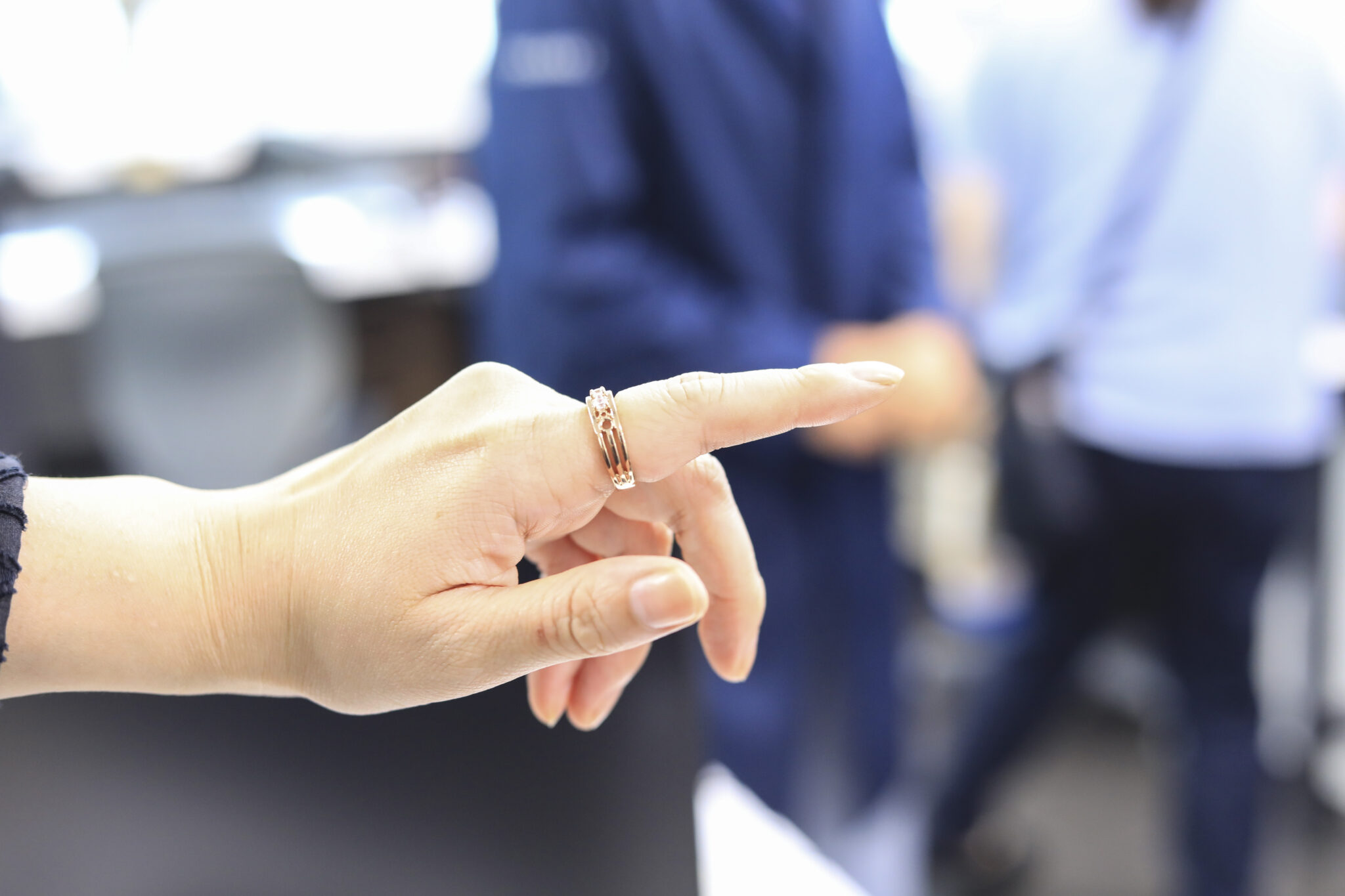
In 2011, the company introduced SAKURAGOLD™, its original pink gold alloy designed to compliment Japanese skin tones more naturally than conventional pink gold. Its delicate hue embodies an elegant aesthetic inspired by Japan’s distinctive beauty. As a company representative explains, “Having developed our own original pink gold, we wanted to create an alloy inspired by the cherry blossom, an iconic symbol of Japan.”
The secret behind the balance series. How the pearl from the ocean becomes a precious piece of jewelry
Having visited TASAKI’s pearl farm in Nagasaki and its atelier in Kobe, let us return to the question we began with: How does TASAKI create jewelry as distinctive as its balance series?
Perhaps, after this journey, we can reframe the question: How is TASAKI able to bring five top quality and perfectly sized pearls together in perfect harmony?
As mentioned earlier, the highest-grade pearls selected for balance account for less than one percent of the entire harvest.
The answer lies in a process that spans every stage of production, from cultivating mother oysters and farming pearls to the meticulous craftsmanship behind high jewelry. By seamlessly integrating these stages, TASAKI brings together the finest materials and the highest levels of craftsmanship, creating balance, a collection that challenges conventional perceptions of pearl jewelry.
TASAKI works backward from its designs and planned production volumes to calculate the number of pearls required. Detailed aquaculture plans are drawn up and put into action years in advance, with approximately 800,000 to one million oysters cultivated annually in Kujukushima alone.
This careful planning is followed by the discerning eye of TASAKI’s Kobe craftsmen, advanced processing techniques, and rigorous quality control. By connecting each of these stages into a seamless process, TASAKI creates balance necklaces adorned with pearls of the highest grade.
The baton then passes to the sales team.
One PR team member, who began her career in sales at TASAKI’s Ginza flagship store, shared a story about how she would call a fellow graduate trainee working as an aquaculture technician to investigate a small question that had arisen during a customer interaction to ensure that customers received truly exceptional products.
From cultivating pearls in the sea to crafting exceptional jewelry and bringing it to customers in Japan and around the world, every stage of TASAKI’s work is connected by the expertise and dedication of its people. This seamless collaboration is what has made balance an iconic jewelry collection.
Rethinking New Luxury Through TASAKI
“If people come away realizing just how much work goes into cultivating pearls, all our efforts will have been worthwhile.”
These were the words of the manager of TASAKI’s Kujukushima pearl farm, spoken out at sea.
Looking again at the five pearls lined up along the gold bar of the balance collection, we are struck by the striking modernity and minimalism of its design.
Having visited the pearl farm and TASAKI’s atelier in Kobe, we can now appreciate just how much technical expertise and craftsmanship lie behind that seemingly simple, straight line.
New luxury today is not simply about rarity or status. Could it instead be about appreciating the value inherent in an object—not only the object itself, but also its connection to nature, the time spent working with it, the knowledge and skills of its makers, and the story behind its production?
TASAKI makes pearl cultivation possible by combining cutting-edge science with the skilled hands of its technicians, nurturing these “living gems” rooted in the local region. Through modern, sophisticated design and the refined craftsmanship of its artisans, TASAKI transforms these pearls into high jewelry that captivates the world. In this sense, TASAKI can be seen as embodying a distinctly Japanese form of new luxury.
The five pearls quietly suggest what the future of luxury might look like.
Translation: Sophia Swanson
Editor and creator of the future through words. Former associate editor of Huffington Post Japan. Became independent after working for a publishing company and overseas news media. Assists in communications for corporates and various projects. Born in Gifu, loves cats.