From fresh vegetables and juicy fruits to fragrant herbs and teas, the abundance of flavors we enjoy in our everyday lives is nurtured by sunlight, fertile soil, and the natural environment. Yet, the way we grow and experience these ingredients may soon be changing.
Plant factories do more than recreate the natural conditions essential for plant growth. By precisely controlling factors such as light, temperature, and water, they create optimized growing environments that can unlock the full potential of plants.
How might flavors and aromas shaped by technology transform our culinary experiences?
At DIG THE TEA, we have explored botanical ingredients and the producers behind them across Japan. This time, we set out to discover what the future holds for shikohin, the foods and beverages we enjoy for pleasure rather than nutritional value, by visiting some of the country’s leading agricultural research facilities.
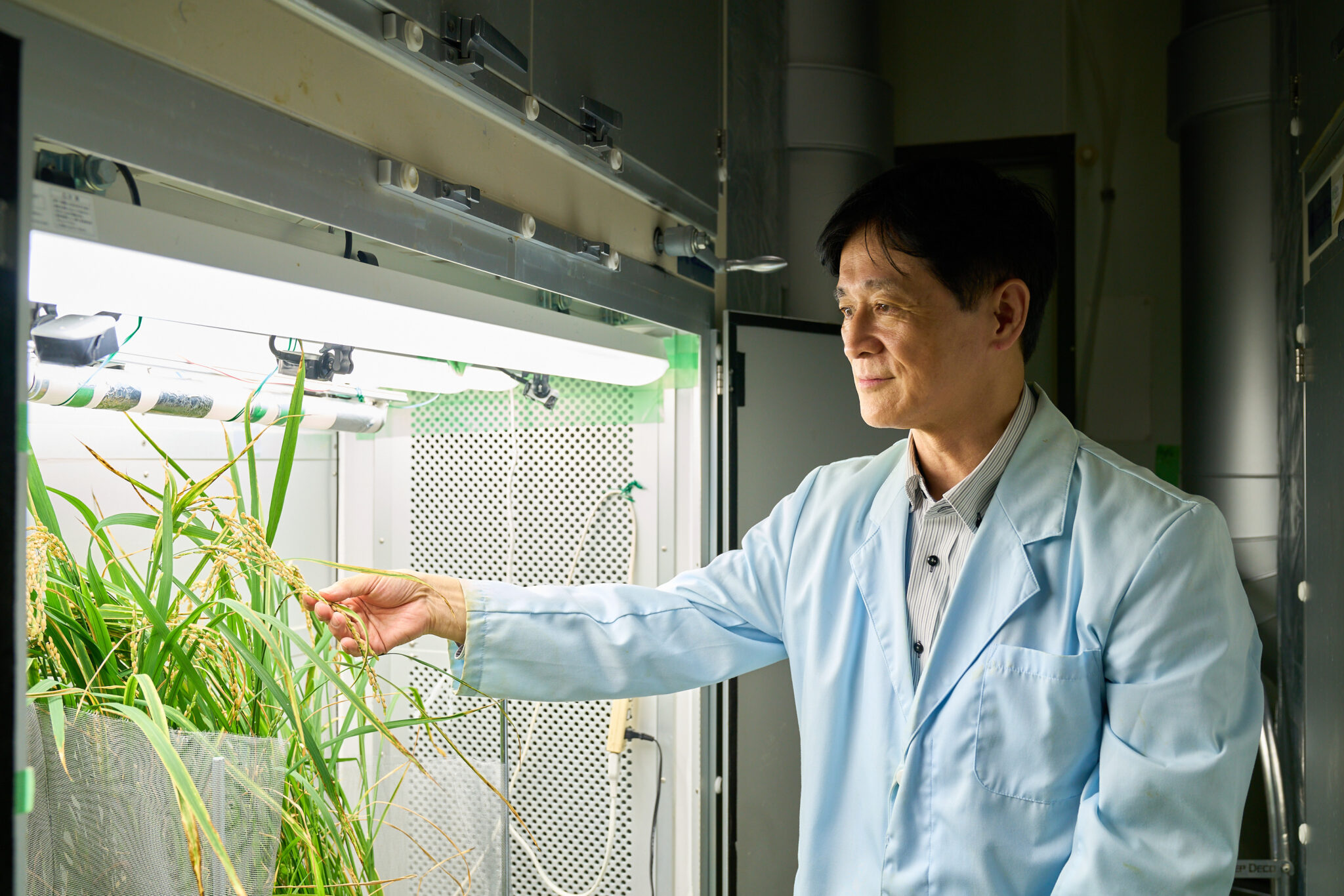
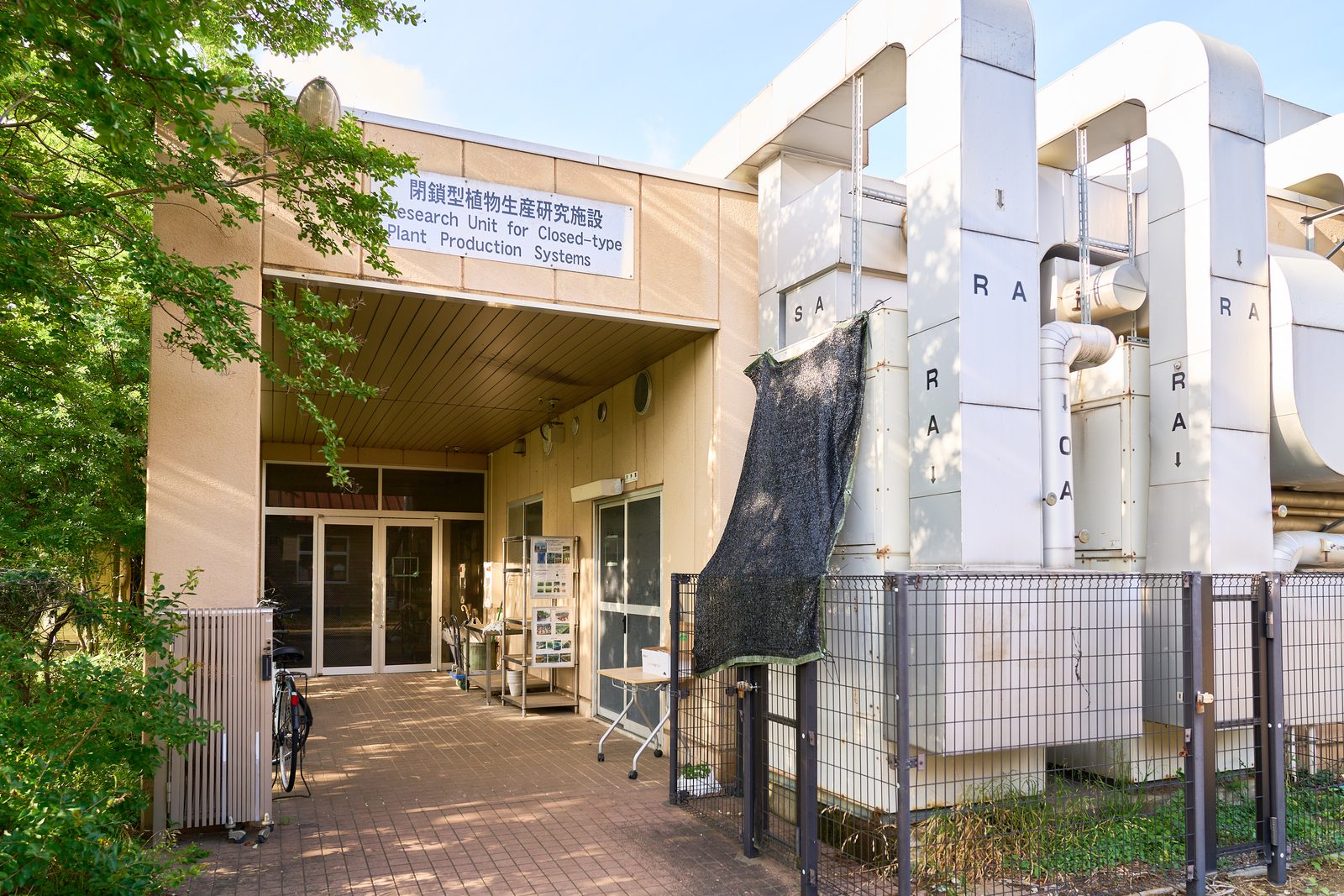
We headed to Chiba University Graduate School of Horticulture to find out more. As we stepped into the laboratory building on campus, we were greeted by rows of plants illuminated under bright LED lights.
Inside was a glimpse of the future of agriculture and medicine. From innovative cultivation methods that go beyond the limitations of natural growing conditions, to the designing of flavors and aromas through LED lighting, the possibilities were extraordinary. There was even research into “space horticulture,” exploring how vegetables might be cultivated in extreme microgravity environments, as well as the development of rice-based vaccines that require neither injections nor refrigeration.
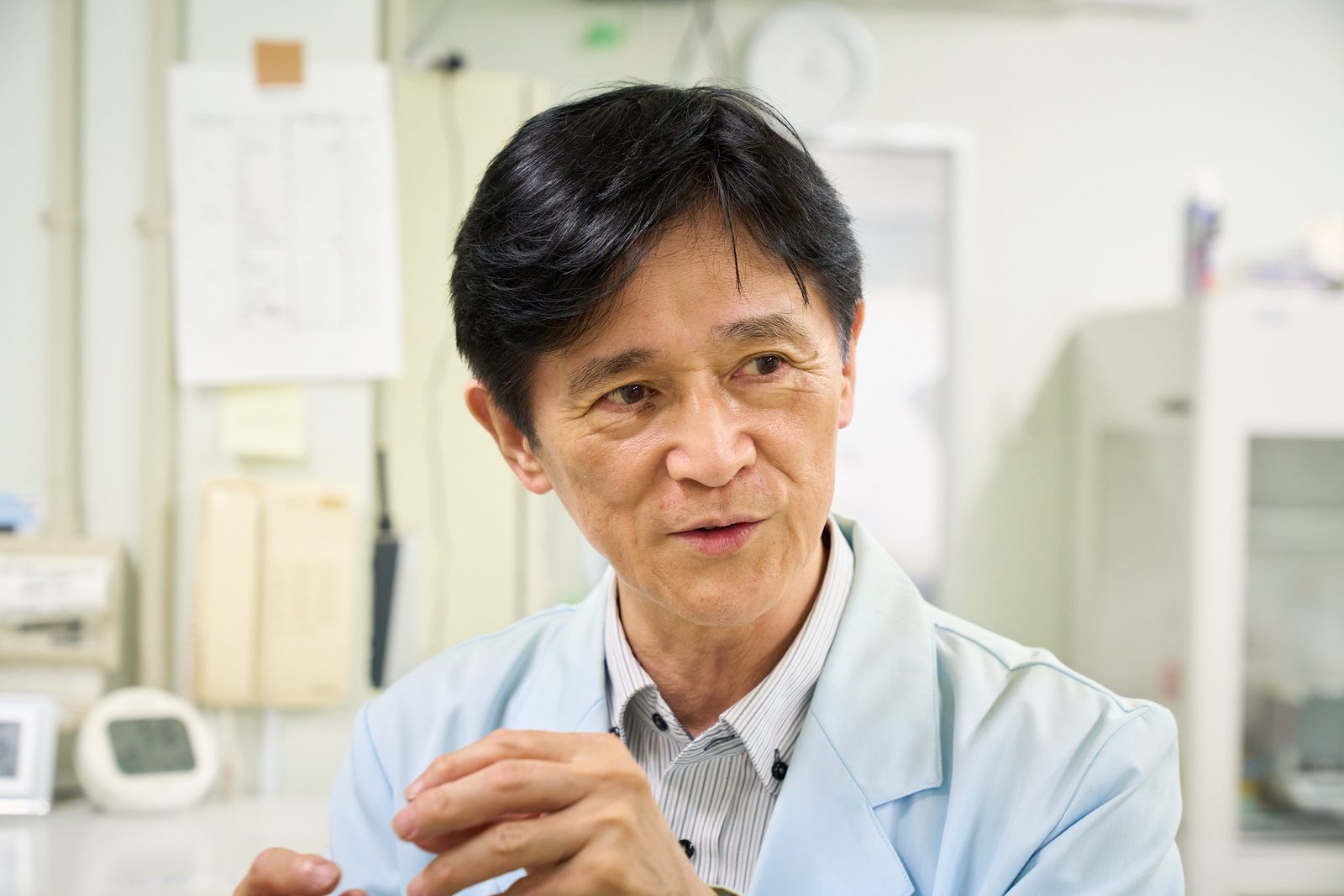
To learn more about these groundbreaking developments, we spoke with Eiji Goto, a leading plant environmental engineer and one of the pioneers of plant factory research worldwide. Having published his doctoral dissertation on plant factories in the 1990s, Professor Goto has received numerous prestigious honors, including the CELSS Award from the Society of Eco-Engineering, the Academic Award from the Society of Agricultural Meteorology of Japan, and an award from the Japanese Society of Agricultural Biological and Environmental Engineers and Scientists.
Plant factories that bring out a plants’ full potential
―― Professor Goto, you have spent many years leading research and development in the field of plant factories as a professor at Chiba University’s Graduate School of Horticulture. Could you tell us more about the research you are currently conducting?
I have been studying plant environmental engineering since my student days, so it has been over 40 years now. My research focuses on regulating the environments in which plants grow to create the optimal conditions for their development.
Plant environmental engineering is a field dedicated to understanding and controlling the various environmental factors surrounding plants. These include temperature, humidity, light intensity and duration, airflow, and atmospheric gases such as CO₂.
Unlike animals, plants cannot move from one place to another in search of more favorable conditions. As a result, their growth is greatly influenced by their surrounding environment. Even subtle changes in these conditions can affect not only how quickly they grow, but also their flavor and aroma. I found it fascinating to see how dramatically plants respond to such slight changes and that is why I became so immersed in this research.
Today, using the highly controlled environment of plant factories, I am exploring how to create growing conditions that bring out the full potential of each plant, as well as how to synchronize their growth so that crops can reach maturity and be harvested at the same time.
――You mentioned how dramatically plants respond to changes in their environment. It almost sounds like you communicate with them. What kinds of plants do you grow in your plant factory?
We mainly grow tender leafy vegetables such as lettuce, as well as fruiting vegetables, herbs, and strawberries. These crops are often commercially valuable but can be particularly susceptible to pests and diseases when grown in natural environments. For these relatively small plants, we use hydroponics, a cultivation method in which essential nutrients are dissolved in water.
―― Are plants that thrive in hydroponic systems also the best candidates for cultivation in plant factories?
I believe that virtually any plant can be grown in a plant factory, provided that its nutrient supply and growing environment are carefully tailored to its needs.
That said, some plants are naturally better suited to this type of cultivation than others. Particularly suitable are plants that can continue growing under 24-hour continuous lighting. Lettuce, for example, can maintain photosynthetic activity around the clock under the right conditions, allowing us to maximize its growth potential.
By accelerating growth and shortening the cultivation cycle, we can also improve production efficiency and help narrow the cost gap between plant factory produce and vegetables grown in conventional fields.
―― So lettuce can be grown without soil, unlike some conventional field grown vegetables. What are some examples of plants that are less suited for plant factories?
Spinach, for example, is not particularly well suited. When exposed to sunlight for 14 hours or more, it stops producing additional edible leaves and shifts into reproductive mode, focusing instead on flowering and producing seeds to ensure the next generation.
Plants that take several years to bear fruit are also difficult to grow efficiently in plant factories. Through evolution, these plants have become deeply adapted to seasonal changes in temperature and sunlight, with their growth cycles closely tied to these environmental cues. As a result, even when we modify their growing conditions, they tend to grow at the same pace as they would in nature.
We once explored the possibility of cultivating aromatic plants in a plant factory, but at present, it seems difficult to significantly shorten their growing periods. For plants with these characteristics, it is challenging to achieve a meaningful cost advantage through factory cultivation.
No need for sun or soil. Are vegetables grown in plant factories “weaker”?
―― So plant factories artificially control the environment to help the plants grow as quickly as possible without the limitations and fluctuations of the natural environment. Compared to plants grown in conventional fields where they develop deep roots in the soil, I can’t help but think that factory plants may not be as “strong” as those plants who survived the elements outside.
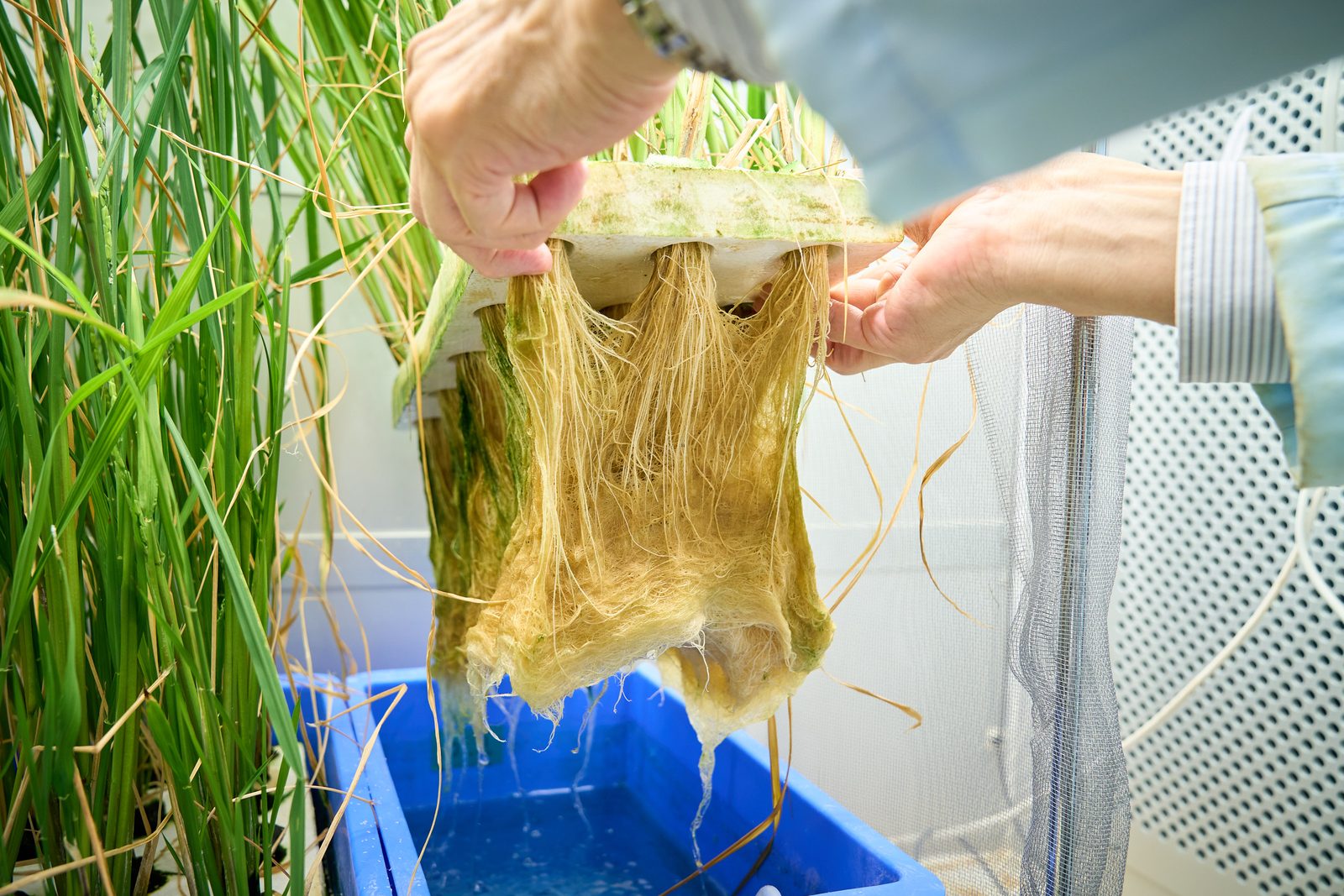
Compared with lettuce grown in the field, lettuce from plant factories does indeed appear somewhat more delicate. The roots of hydroponically grown lettuce are less than half the size of those grown in soil. This is because all the nutrients that the plant needs is already dissolved in the water and readily available for them. As a result, they do not have a need to develop extensive roots systems to get their nutrients.
―― With no need to grow roots, it makes me wonder what the purpose of soil is after all.
To put it another way, the extensive root systems of field-grown plants are the result of energy being spent in searching the soil for water and nutrients. In hydroponic cultivation the plants can use that energy to grow their leaves instead so it is a more energy-efficient cultivation method.
―― It never occurred to me that plants can redirect their energy into growing leaves instead of roots.
In conventional field cultivation plants are exposed to more risks, such as typhoons, drought and other natural disasters. The plants have evolved to deal with these risks. They conserve energy and resources to cope with sudden changes in their environment, so they are only about to use about 80% of their energy for full growth potential.
―― The plant roots are made to protect them from uncertainties in the environment?
Yes. In plant factories, we experiment with deliberately exposing plants to environmental stress such as water shortages and fluctuations in temperature in order to unlock the remaining 20% of their growth potential. Although they may seem more delicate, plant factories can produce surprisingly resilient crops by creating carefully controlled stress conditions.
Custom-made vegetables and flavors designed by LED light
―― It’s interesting that although they seem delicate, plant factories are able to produce such resilient crops. My perception of plant factories is starting to change. When did plant factories first start being used?
The first plant factory emerged in Denmark in 1957 and spread around the world from there. In Japan, Dr. Masamoto Takatsuji began research about 50 years ago. There are records of plant factory technology being exhibited at the 1985 Tsukuba Science Expo. Back then it faced a lot of skepticism with critics questioning the idea of growing lettuce that had cost several hundred yen in electricity alone to grow. In fact, many companies that entered the industry eventually withdrew, largely due to the high production costs.
However, technology continues to evolve along with changes in society. New and more environmentally sustainable technologies such as renewable energy and highly efficient LED lights are addressing the many challenges that once held the industry back.
Today, plant factories are being reevaluated as a promising solution for climate change adaptation and the development of circular agriculture aimed at achieving net-zero greenhouse gas emissions. As a result, interest and investment in the field are once again gaining momentum.
―― With the latest technologies, are plant factories doing more now than simply accelerating plant growth? Do you enhance or add value to the crops in other ways?
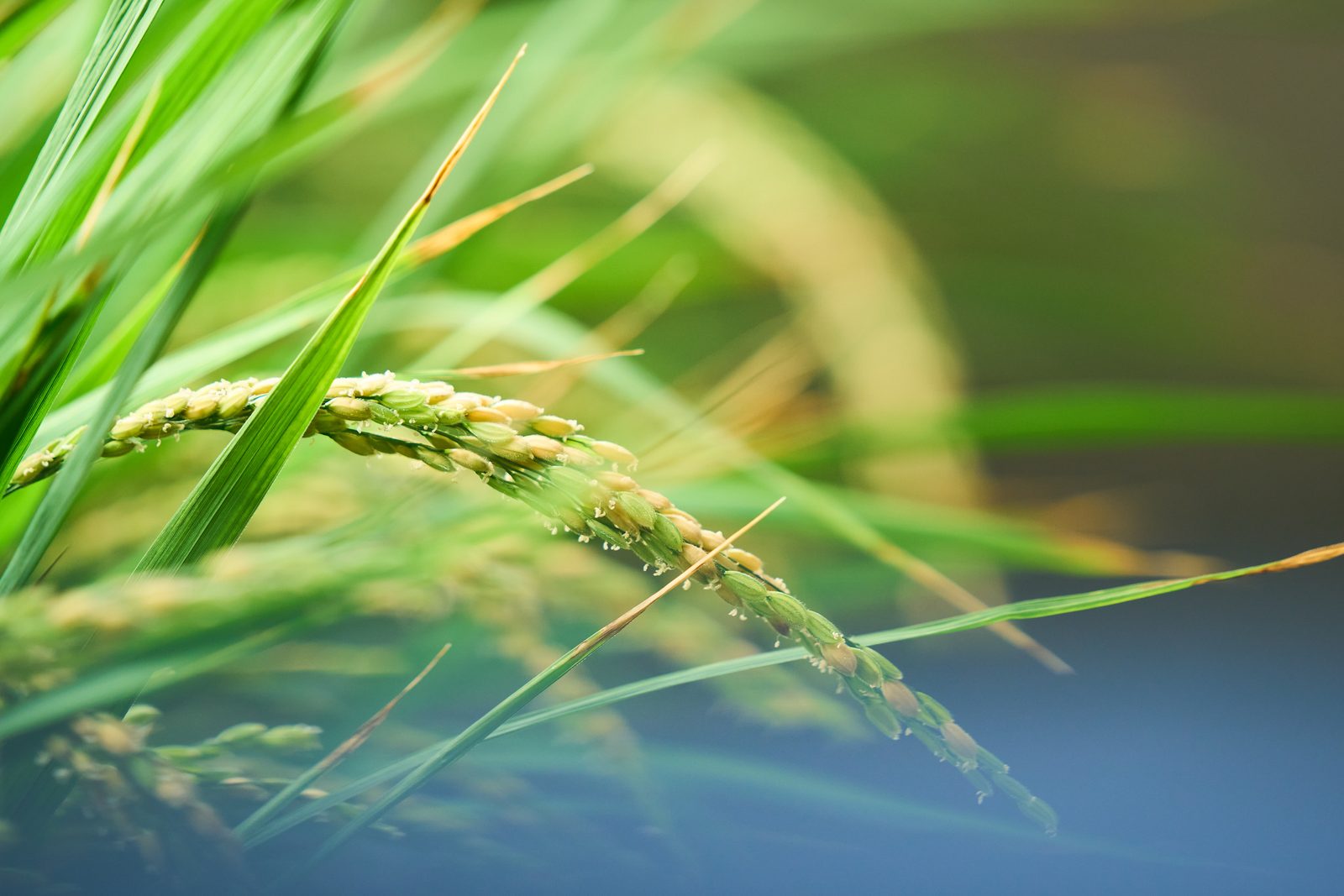
One of the most fascinating aspects of plant environmental engineering is the ability to shape the flavor, aroma, and nutritional value of plants. For example, we can create custom-made vegetables that tailor to different consumer preferences. For example, a mild and less bitter vegetable that children can enjoy, or vegetables with a more pronounced peppery bitterness that appeals to adult palates.
―― So you can fine tune the flavor of vegetables. That opens up a lot of exciting possibilities for shikohin experiences in the culinary field.
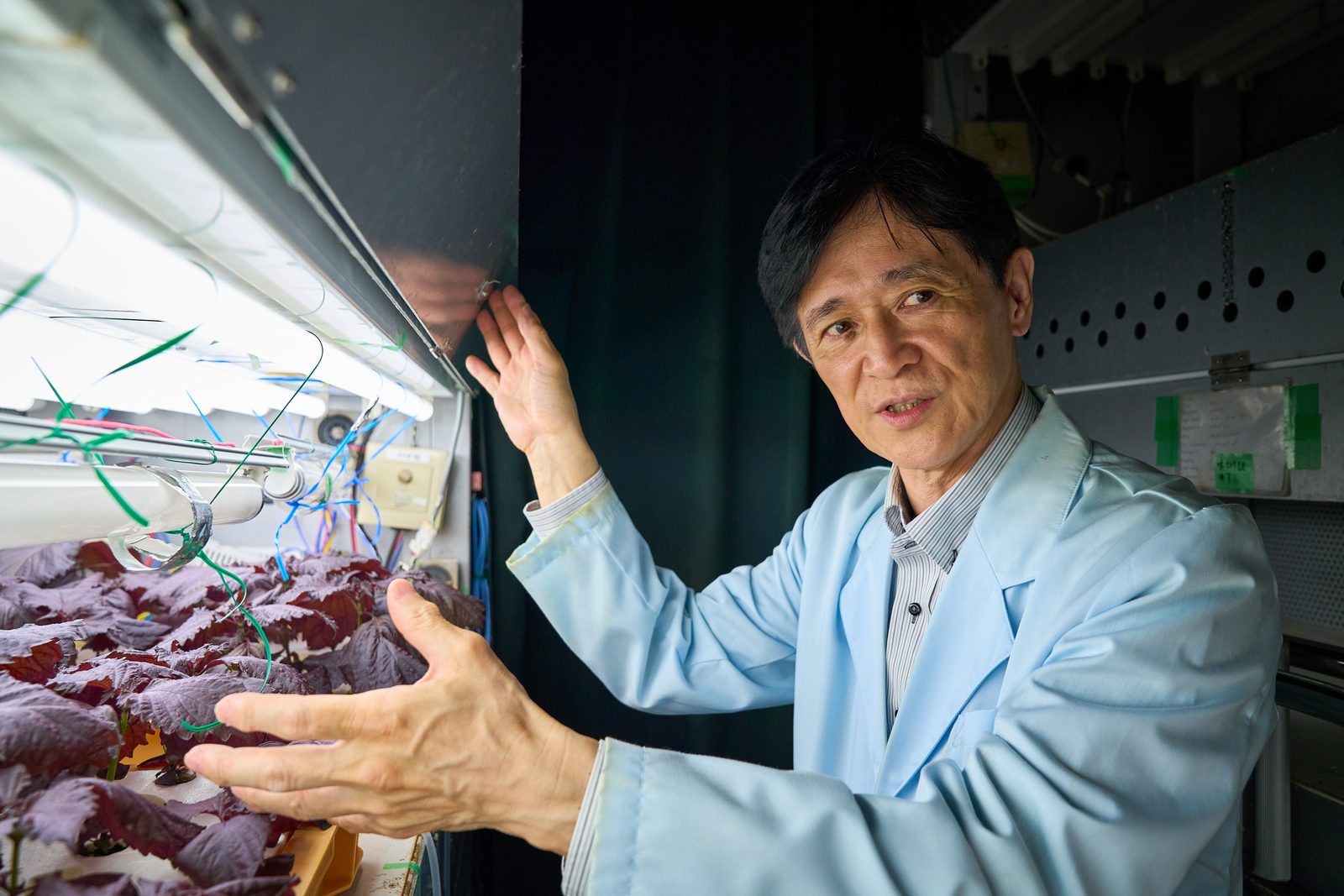
LED lighting is what is behind the major breakthrough in custom made vegetables. One key advantage of LED light is that we can control the color of the light that they emit.
Using this characteristic, we have found that growing vegetables under red light produces a softer and more delicate flavor and texture. Blue light encourages the accumulation of compounds such as polyphenols which are known for their antioxidant properties. It is now possible to tailor the growing process by selecting specific light colors to match a desired quality in the vegetables.
―― It’s fascinating that the nutritional and functional properties of plants can be altered simply by changing the color of light. What new possibilities and value do you think custom made flavor and nutrition could bring to our daily lives?
One possibility is the development of highly functioning vegetables that act like dietary supplements. As we get older, we may experience a decrease in food intake, but having vegetables with concentrated nutrients and beneficial compounds could help us stay nourished with less food.
In fact, tomatoes rich in GABA, which is known to help reduce psychological stress, and lycopene, a compound with antioxidant properties, are already commercially available.
There are also ideas for plant use that goes beyond consumption. They can be used to enhance the atmosphere of spaces. Herbs that are part of the mint family such as basil produce large amounts of aromatic compounds when they are grown in plant factories. When the leaves cannot contain the aromatic compounds on the undersides of their leaves, known as glandular trichomes, the excess is released into the surrounding air.
Using that characteristic to our advantage, such herbs can be grown inside restaurants. By exposing the plants to intense light at night to stimulate the production and release of aromatic compounds, restaurants can welcome guests into a space filled with the fresh, natural fragrance of herbs.
―― A restaurant filled with the aroma of fresh herbs sounds wonderful.
I believe plant factory cultivation will become more widespread in the future. In a fully closed and controlled environment, crops are protected from pests and diseases and exposed to far less microorganisms. As a result, they are less susceptible to spoilage compared to conventionally grown vegetables, allowing them to retain their freshness and nutritional value for longer. They can even be harvested ready to eat, without the need for washing.
Lettuce Grown on the International Space Station
―― As we face climate change and natural disasters, do you think we will one day have plant factories in our homes that provide us with a self-sufficient source of fresh and safe food?
In fact, research into space horticulture is already underway, taking the very concept of growing food in a completely enclosed, self-sustaining environment beyond Earth and into space.
You may have heard of the Artemis program, which aims to establish a human presence on the Moon. As space exploration accelerates, with private companies such as SpaceX, led by Elon Musk, playing an increasingly prominent role, one of the greatest challenges of sustaining long-term human presence in space is food.
Eating the same bland space meals every day can turn something that should be joyous into a chore. Meanwhile, continuously transporting food from Earth is simply too costly to be a viable long-term solution. If we could grow vegetables in space, astronauts would have access to fresh produce and an additional source of essential vitamins.
Our research group has already conducted experiments aimed at developing food production systems in space aboard the Japanese Experiment Module “Kibo” on the International Space Station (ISS).
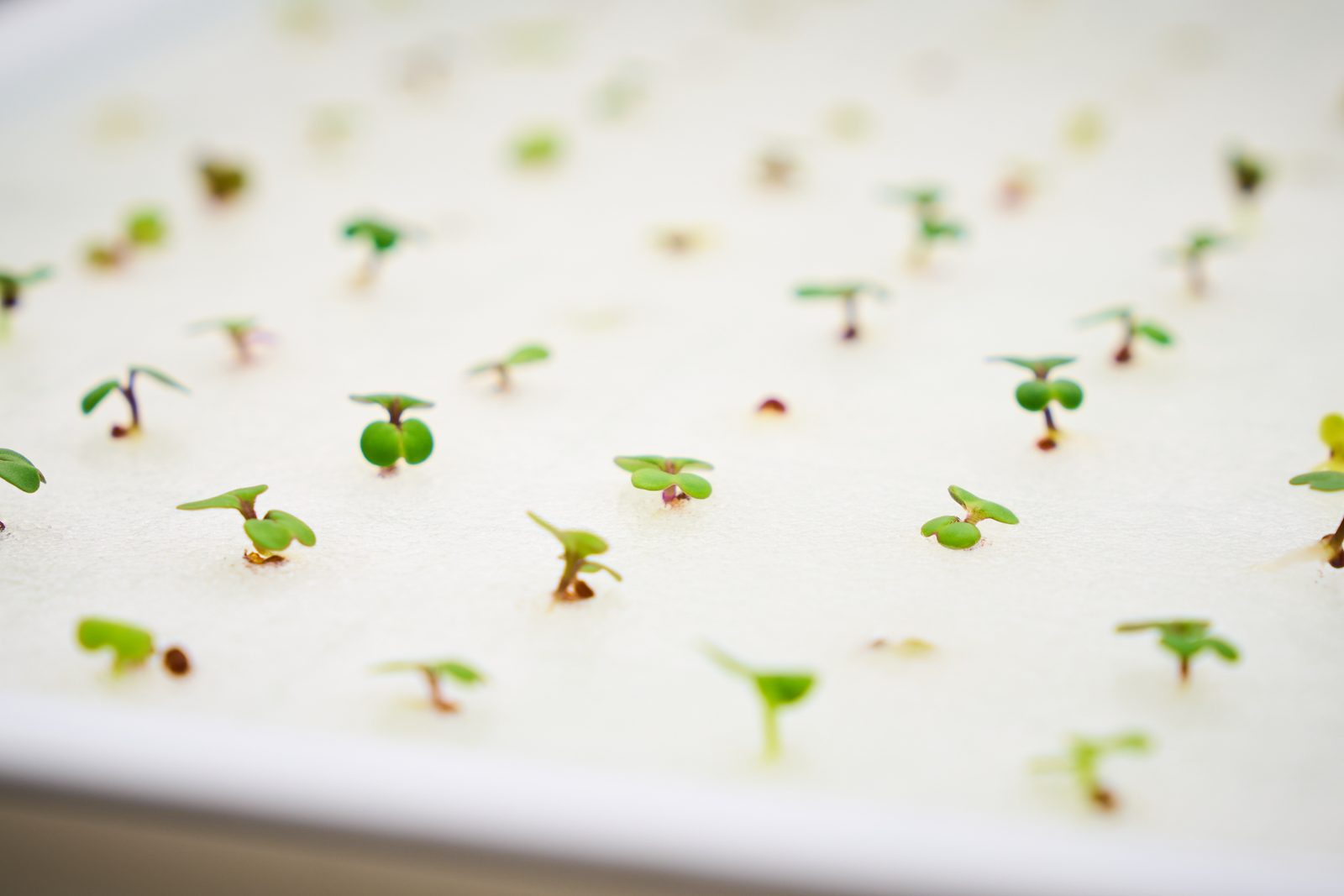
For the experiment, we prepared a large number of individually packaged seed samples, each containing sterilized lettuce seeds wrapped in nonwoven fabric and sealed into a small pouch. When the time comes to grow the vegetables, they simply have to moisten the fabric with a nutrient solution and expose it to light. In just 15 days the lettuce grew its first main leaves and continued to grow steadily. It was ready to be harvested just 48 days later.
Our plant factory research and cultivation technologies made it possible to achieve safe and reliable food production, even in the extreme environments of space.
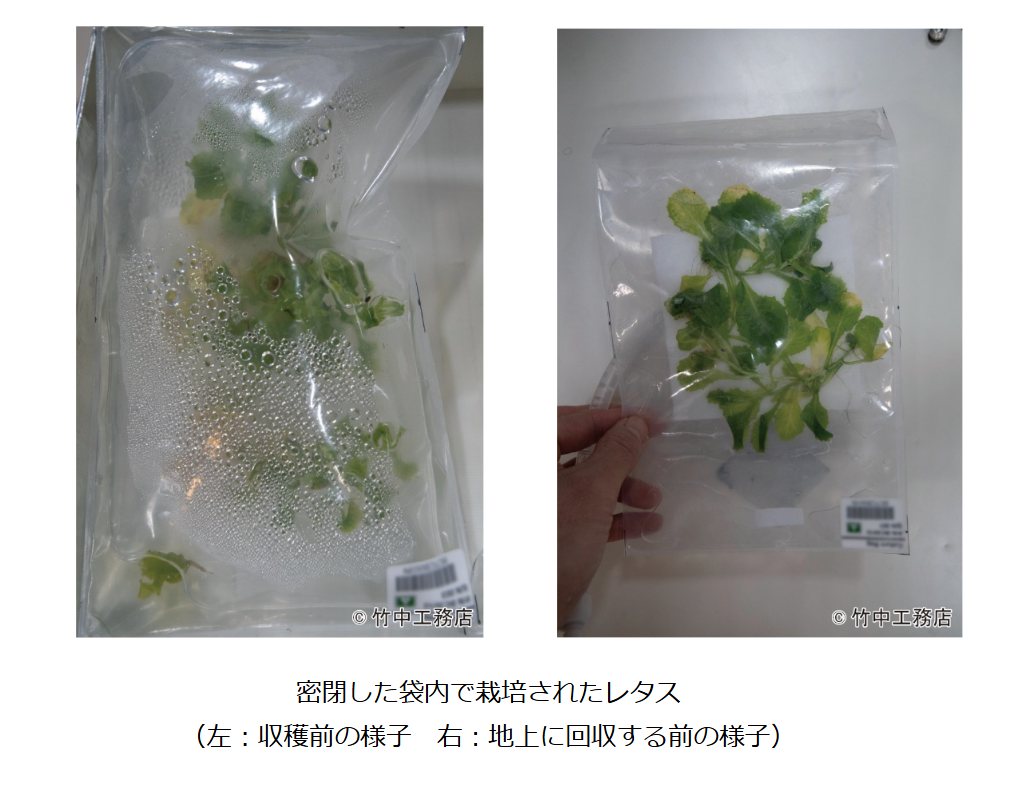
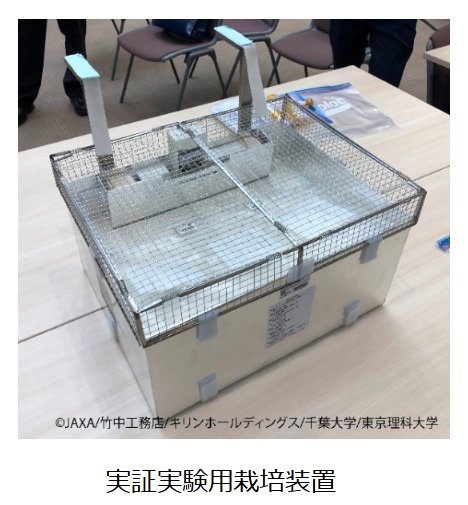
Image source: Chiba University, “World’s First Cultivation Experiment Using a Pouch-Type Cultivation Chamber Technology Aboard the International Space Station’s Kibo Japanese Experiment Module.”
―― That’s amazing. Lettuce grown in space can taste just as good as lettuce grown on Earth. Nonetheless, I imagine that cultivating plants in space presents many challenges that are different from those on Earth.
You’re right. Establishing a sustainable food production system in extreme environments like space requires us to overcome various challenges that we would not face on Earth. Broadly speaking, there are two major obstacles.
One is the difference in gravity. Space is essentially weightless, or more precisely, a microgravity environment, which presents a significant challenge for plant growth. This is because air movement, or what we experience as wind, is largely driven by gravity. In space, where there is no natural convection, air tends to remain stagnant rather than circulate.
As plants grow, they release gases such as ethylene. On Earth, these gases are naturally dispersed by the wind so they rarely pose a problem. However, in space they accumulate around the plants, which causes their stomata to close and interferes with photosynthesis. Furthermore, microgravity causes transpiration, or the process by which plants release water vapor through their leaves, to go down. This weakens the plants’ ability to draw up water through their roots which further inhibits growth. To prevent these problems, it is essential to control airflow and create adequate air circulation around plants.
The second challenge is achieving a zero-emission system. This means bringing the release of waste and greenhouse gases as close to zero as possible while continuously recycling resources. In a space-based plant factory, resource circulation is an absolute necessity. Nothing can go to waste.
In space, up to 99% of the water transpired by plants is recovered as condensate through the air-conditioning system and then reused as a nutrient solution for the plants. Waste generated inside the plant factory is also collected and broken down so that it can be recycled and used again as fertilizer.
―― So in space you turn waste into fertilizer and recycle 99% of water. It’s a system designed for the extreme environmental conditions of space. Can this zero-emission system be applied on Earth?
Yes. It has potential applications not only in space, but also in regions on Earth facing water shortages and desertification.
In conventional open-field agriculture, most of the water applied to crops is either lost through evaporation or seeps deep into the soil. Only a small fraction is actually absorbed and used by plants. In a closed-loop plant factory, however, the amount of water required can be reduced to between one-tenth and one-hundredth of that used in conventional agriculture. This makes it possible to grow crops using minimal water resources, even in harsh environments such as arid regions bordering deserts, where agriculture has traditionally been difficult or impossible.
Circular cultivation systems that minimize the loss of water and nutrients while keeping waste to a minimum are garnering attention as a more environmentally sustainable approach to agriculture, particularly in regions facing water scarcity.
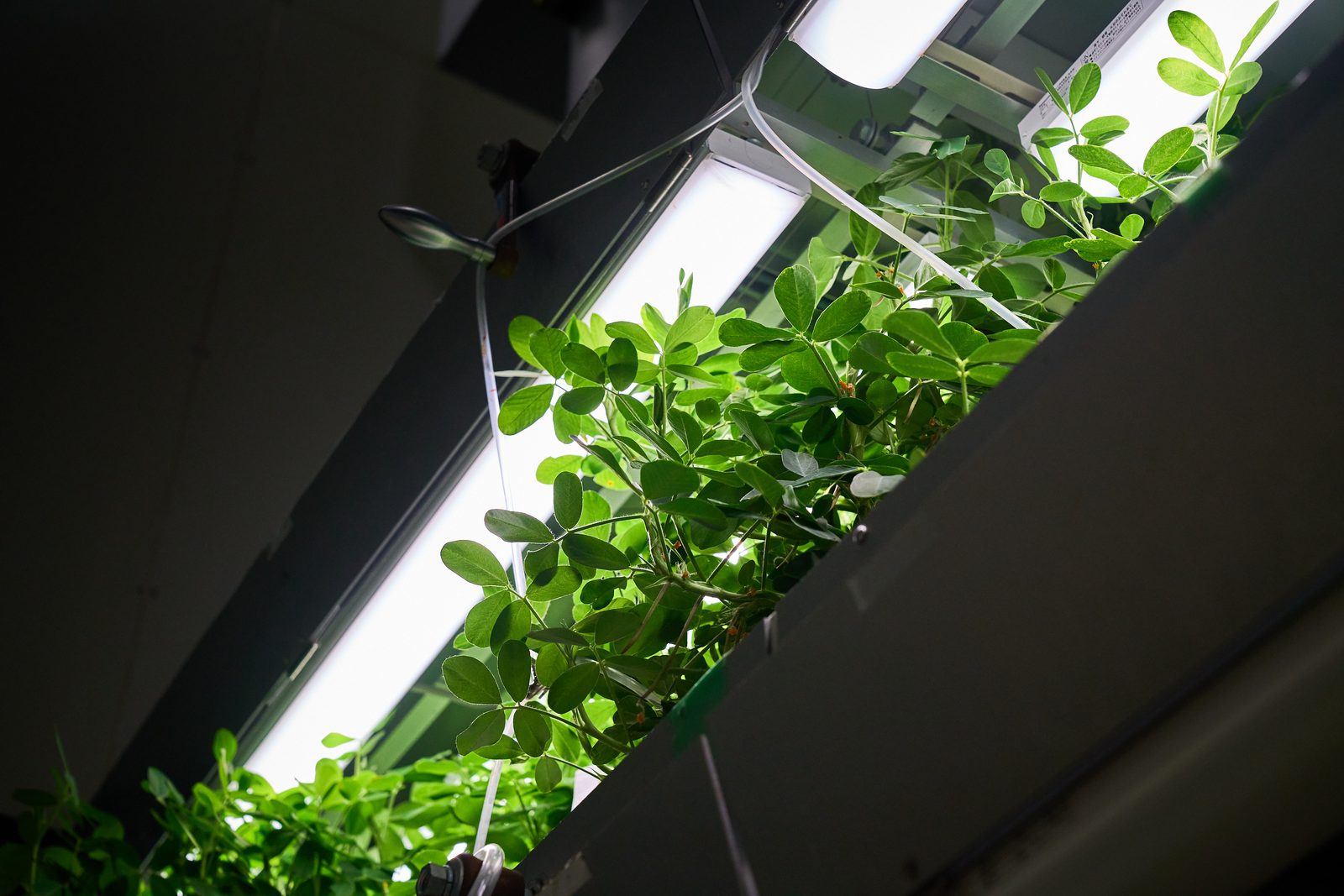
Plant factories as one of the world’s most environmentally sustainable agriculture platforms
―― So technologies originally developed for space could also help address environmental challenges here on Earth by enabling more sustainable forms of agriculture. Beyond this, what other possibilities does the plant factory’s greatest strength, its completely controlled and clean growing environment, offer?
The technologies and expertise developed through plant factory research have applications that extend well beyond food production, including into the field of medicine.
For example, we have identified the optimal growing conditions for medicinal plants such as licorice, a traditional Chinese herbal medicine that grows slowly and is heavily reliant on imports from China, and Ophiorrhiza pumila, a plant that is extremely difficult to cultivate and is used as a source of compounds for anticancer drugs. This research has helped pave the way for a more stable supply of these valuable medicinal plants.
We are also exploring ways to use plants to help prevent disease. In collaboration with Professor Hiroshi Kiyono, a specially appointed professor at Chiba University, and his colleagues, we are working on a rice-based vaccine known as MucoRice.
Using biotechnology, a portion of the gene associated with cholera toxin is introduced into the rice plant’s genetic material, allowing the rice seeds to produce the corresponding protein for use in a vaccine.
The genetic material introduced into the rice does produce toxins. When the rice is ground into a powder and ingested, it is absorbed in the intestines and triggers the production of antibodies that neutralize cholera toxin. This means that if cholera bacteria enter the body, the harmful effects of the toxin can be quickly counteracted.
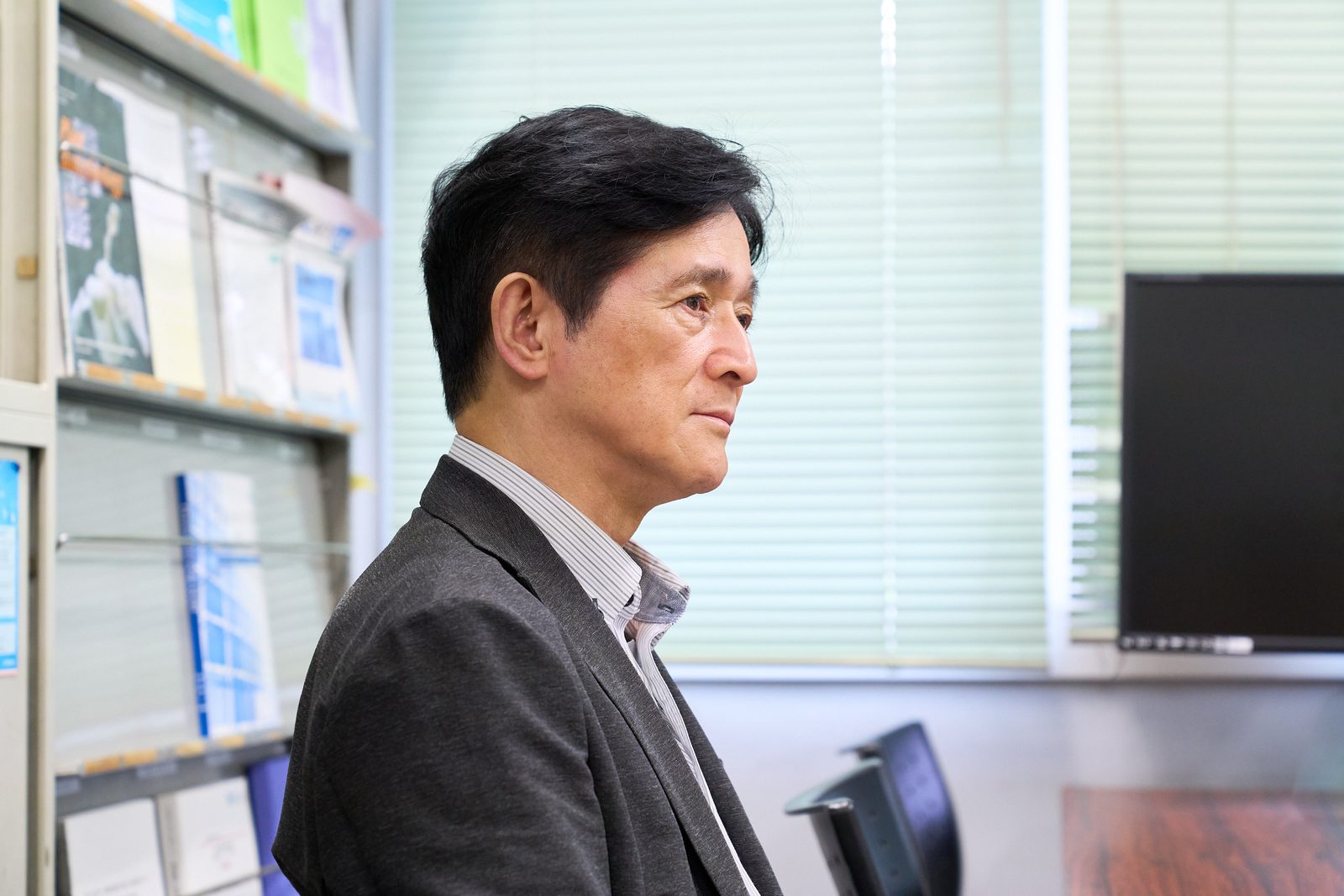
―― Why use rice as a vehicle for vaccines? What are the limitations with conventional vaccines?
Most vaccines currently in use can only be manufactured at a limited number of facilities and require refrigerated storage and transportation, a system known as the cold chain. During the COVID-19 pandemic, securing and distributing sufficient vaccine supplies to countries around the world proved to be a major challenge. Depending on the type of vaccine, production costs can also be very high. And even when vaccines are available, storing them safely remains difficult in regions where electricity supplies are unreliable.
Rice-based vaccines offer an alternative approach. By developing the cultivation system as a modular unit housed in a shipping container, vaccines could potentially be produced even in remote, arid regions where establishing conventional pharmaceutical manufacturing facilities would once have been unimaginable.
By reducing transportation costs and eliminating the need for refrigeration and painful injections, the rice-based vaccine MucoRice holds promise as a new way to combat infectious diseases in low- and middle-income countries and help address potential vaccine shortages during future pandemics.
―― I am beginning to understand the various possibilities the new technologies of plant factories and their crops offer. Rather than simply being a factory for plants, it really is a glimpse of the future. What do you envision the future of agriculture to look like?
In Japan, the term plant factory became widely used, but it also attracted criticism from those who felt it made agriculture seem more like industrial manufacturing. In English, however, advanced cultivation systems of this kind are more commonly referred to as vertical farming, a term inspired by their distinctive structure, with plants grown on vertically stacked shelves. Ultimately, plant factories are simply another way of farming.
In conventional agriculture, excess pesticides and fertilizers applied to fields can be washed away by rain and carried into groundwater and rivers, placing an unintended burden on the natural environment. Meanwhile, climate change is accelerating, and crops are increasingly suffering severe damage from extreme weather events. We are now at a turning point, where we must rethink how we produce food and explore more sustainable approaches with a lower environmental impact.
This is where the zero-emission systems used in plant factories can truly demonstrate their value. By minimizing environmental pollution and enabling stable crop production regardless of weather conditions, they offer a compelling solution for the future of agriculture.
Of course, energy costs remain a concern. However, as we move toward a decarbonized society by 2050 and reliance on fossil fuels is gradually reduced, the energy used throughout agriculture will increasingly need to come from renewable sources. This shift will extend beyond the electricity used in plant factories to all aspects of agricultural production, from the fuel powering tractors in open fields to the heating systems used in greenhouses.
As a result, the cost gap between plant factories and conventional cultivation methods, long considered one of the industry’s biggest challenges, is likely to narrow. Over time, the benefits of plant factories, including completely pesticide-free cultivation and a reliable supply of crops unaffected by weather conditions, may well outweigh the remaining cost difference.
Advances in AI and robotics could further transform the industry by automating much of the production process. AI could determine the optimal time to harvest, robots could carry out the harvesting, and people could monitor operations remotely. This level of automation could also help address one of agriculture’s most pressing challenges which is the growing shortage of agricultural workers.
I strongly believe that the advanced environmental control and zero-emission technologies developed through space horticulture have the potential to become one of the most environmentally sustainable agricultural platforms on Earth. This is the future I am working toward, and I will continue my research with that vision in mind.
Translation: Sophia Swanson
Editor, Writer, etc., for PLANETS, designing, De-Silo, MIMIGURI, and various other media.