Whether coffee, tea, or cacao, many of the shikohin (luxury products) that add color and pleasure to our daily lives come from plants grown in distant tropical regions.
Today, these regions are increasingly feeling the effects of climate change, soil degradation, and biodiversity loss.
Planetary Health is a concept that takes an integrated view of the health of people and the planet, seeking a comprehensive approach that encompasses society, the economy, and ecosystems.
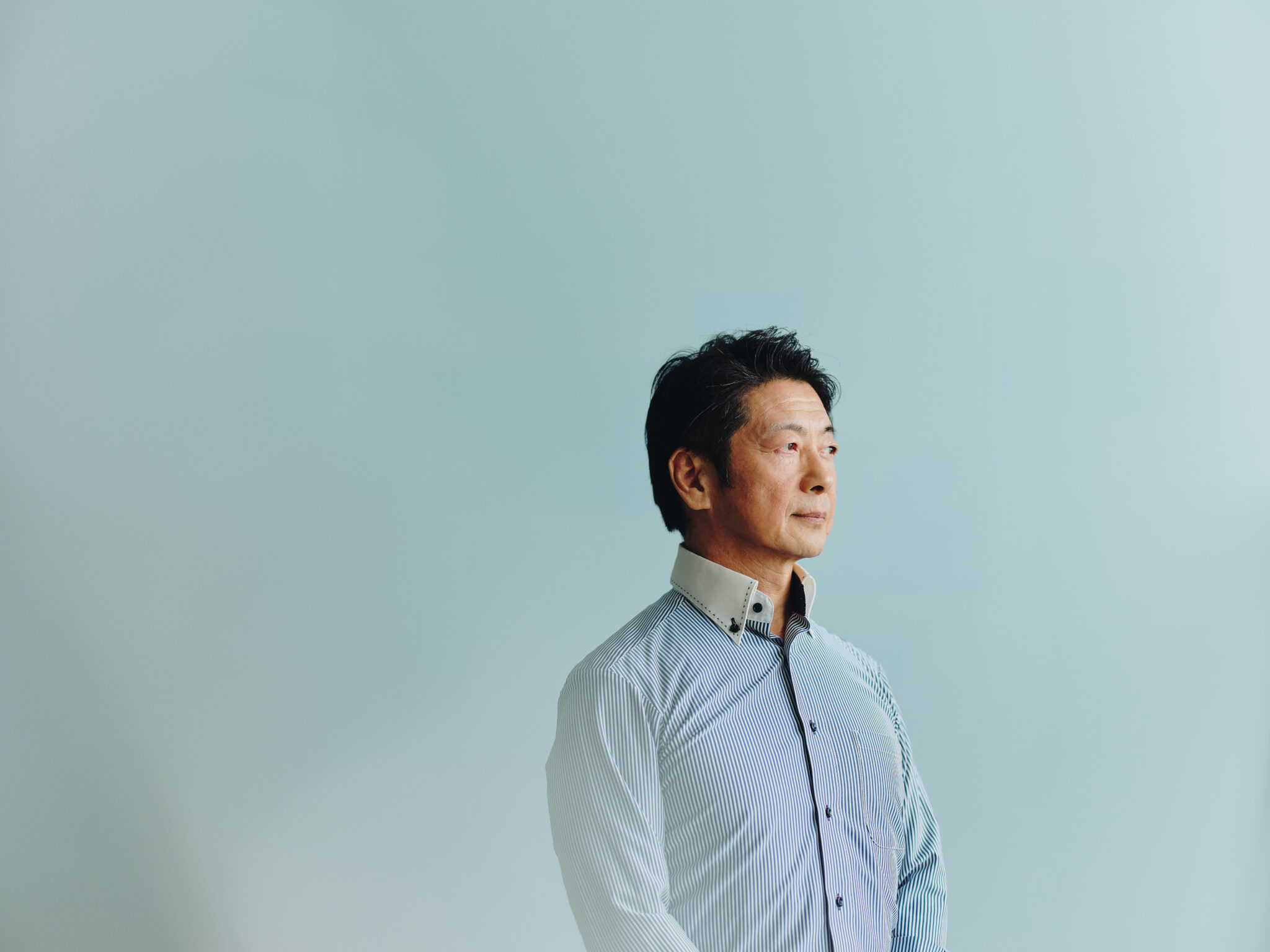
One of the leading figures in introducing this concept to Japan is Dr. Osamu Kunii. He began his career providing medical care in remote areas of Japan and has since worked with the National Center for Global Health and Medicine, the University of Tokyo, the Ministry of Foreign Affairs, Nagasaki University, UNICEF, and the Global Fund to Fight AIDS, Tuberculosis and Malaria. Throughout his career, he has worked on the front lines of global health, including humanitarian assistance, infectious disease control, maternal and child health, and the development of health strategies and policies.
Having progressed his career from treating individual patients to addressing community health and, ultimately, global health, Dr. Kunii has come to recognize the undeniable connection between human health and the health of our planet.
We spoke with Dr. Kunii, now a leading advocate for Planetary Health, about shikohin and their position at the intersection of economic activity, human well-being, and environmental challenges.
After traveling the world and visiting many regions where shikohin products are produced, how does Dr. Kunii view these products from the perspective of Planetary Health?
And what role can shikohin play in building a healthier future for both people and the planet?
Planetary Health connects the health of people and the planet
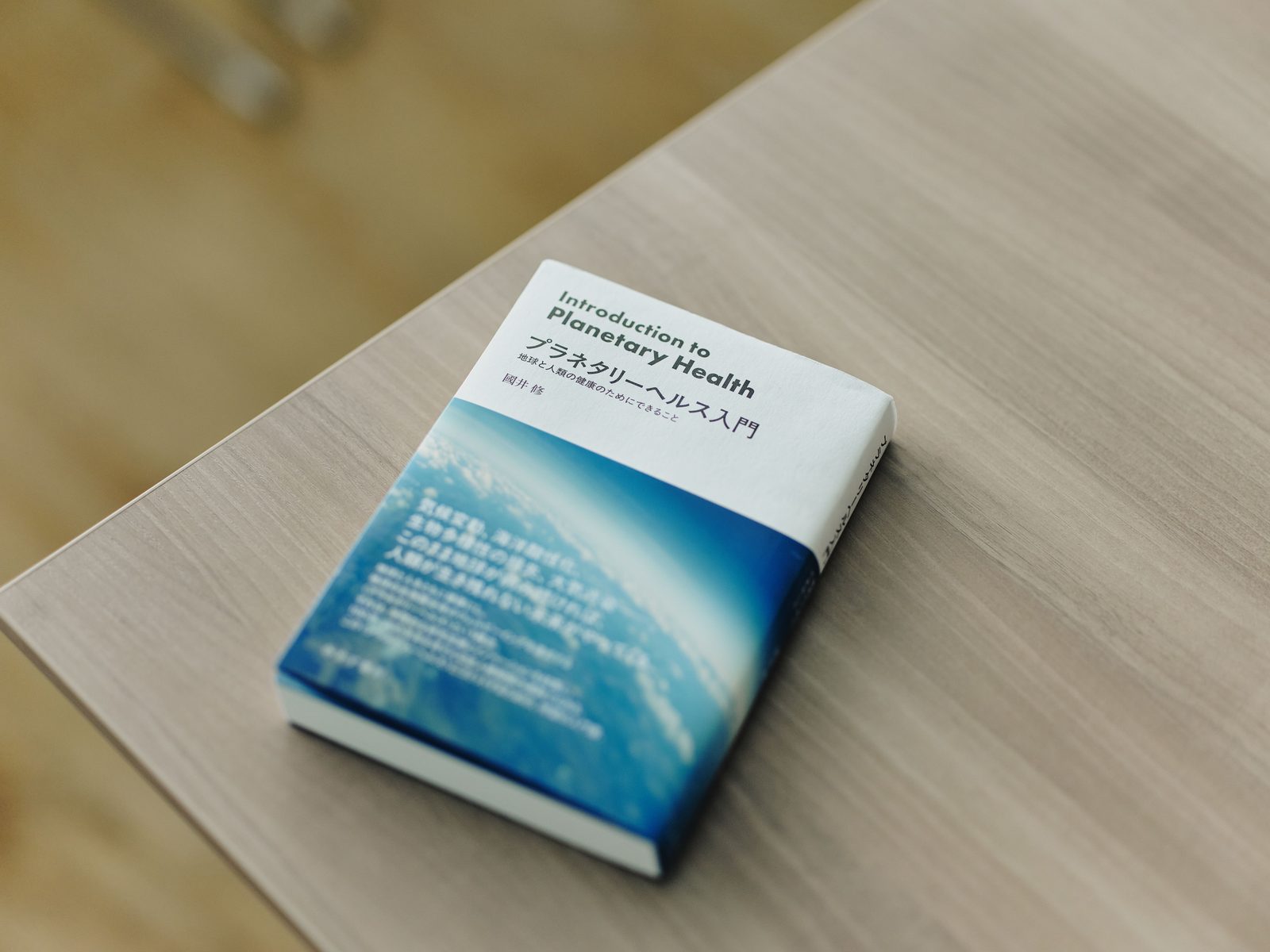
—— You published a book titled Introduction to Planetary Health: What We Can Do for the Health of the Earth and Humanity (Misuzu Shobo, 2026). Could you tell us more about the concept of Planetary Health?
Planetary Health is an approach that emphasizes the interconnectedness of the health of people and animals with the health of the planet, while seeking to address social, economic, and ecological issues from a comprehensive view. In relation to existing academic disciplines, it could be described as a concept that bridges public health and environmental science.
Public health is a field that considers how people, as a population, can live healthier and longer lives. However, it does not necessarily place sufficient emphasis on protecting the environment. In prioritizing human health, safety, and social and economic stability, public health can sometimes place a significant burden on other living beings and the natural environment.
Environmental science, by contrast, focuses primarily on understanding and conserving the natural environment. While public health places human life and health at its center, environmental science has not always fully incorporated the ways in which environmental changes affect human health. This has created a need for an approach that connects the two perspectives.
In reality, however, human health and the health of the environment are deeply interconnected. The question is: How can we look at both holistically and find ways to protect and sustain them together? I believe the concept of Planetary Health emerged from this way of thinking.

—— Why did you become drawn to the field of Planetary Health?
It was largely because of my personal experiences.
After graduating from Jichi Medical University, I began my career as a doctor treating patients in remote areas. Through that work, I came to realize that in order to protect an individual’s health, it is necessary to “examine” not only their physical condition, but also their relationships with other people and the community as a whole.
For example, there was a remote mountain village where I treated many patients with severe liver disease. Whenever I asked them about restricting their alcohol consumption, they all insisted that they had stopped drinking. Yet their liver conditions continued to deteriorate, and I could not understand why.
Then, one day, I attended a local festival and found many of my patients drinking and already intoxicated. Even those who had told me they no longer drank were walking around with large bottles of sake in hand.
When I confronted them, they simply said, “Doctor, do you really think you can get by in this village without drinking?” And they had a point. It was difficult to live in the village without drinking. There were frequent festivals and community gatherings, and almost every one ended with people drinking together. Sharing alcohol was deeply embedded in the local traditions and culture.
In fact, I also drank quite a lot while I was there in order to fit in. (laughs)
This experience taught me that an individual’s health cannot always be separated from the community in which they live. In this village, drinking was deeply intertwined with social relationships and everyday life. While excessive alcohol consumption is clearly harmful to health, simply telling individuals to stop drinking was not enough. We needed to “examine” the community as a whole and find ways to bring about behavioral change across the entire community.
—— So when looking at a person’s health, it is influenced not only by genetics and daily habits, but also by external factors such as the environment?
While I was still a student, I volunteered at a refugee camp in Africa. People were dying one after another. I would examine patients and give them medicine, but I could not save them. The reason was that there was no access to clean water or adequate food, and many of the problems they faced could not be addressed through conventional medical care alone.
This experience led me to become interested in global health. I began traveling and working around the world through NGOs and JICA (Japan International Cooperation Agency). At the same time, I was teaching and conducting research at the University of Tokyo and Nagasaki University, and whenever an infectious disease outbreak or large-scale disaster occurred, I would travel to the affected area overseas.
Later, as a UNICEF staff member, I was stationed in Myanmar for three years and in Somalia, Africa, for another three years. In Myanmar, a cyclone claimed the lives of approximately 140,000 people. In East Africa, the worst drought in 60 years struck, leaving many people dead or on the brink of starvation.
Through these experiences, I came to realize that changes in the global environment and climate are directly connected to human lives. This further deepened my interest in the concept of Planetary Health.
—— Rather than as an abstract concept, you came to understand the importance of Planetary Health through your own experiences.
It’s difficult to take something seriously on a personal level when you’re only told about the big picture, isn’t it?
Even if we are told that we must protect the environment to protect human health because the two are closely connected, that alone does not necessarily motivate us to take concrete action. People are more likely to act when they feel that an issue is personally important to them or personally affects them.
Through my experiences abroad, I came to see that the global environment and human health are inextricably linked, and I realized that addressing both in an integrated way was an urgent priority.
In other words, Planetary Health became a personal issue for me. Because I have experienced these connections firsthand, I am able to take the issue very seriously.
The problems of monoculture shikohin production
—— I’d like to ask you about Planetary Health in relation to shikohin products. The plants used to produce luxury goods such as tea, cacao, and coffee exist at the intersection of the global environment, human livelihoods, and economic activity. Their production is highly vulnerable to the impacts of climate change, soil degradation, and biodiversity loss. What would you say is happening in these production regions today?
Shikohin products are primarily produced in what are known as low- and middle-income countries across Africa, Central and South America, and Southeast Asia. In many of these regions, large corporations, often led by Western companies, have expanded production by establishing large plantations, relying on low-wage local labor, and introducing monoculture, or the intensive cultivation of a single crop.
In essence, forests and other natural landscapes have been cleared to efficiently produce raw materials for shikohin products. This large-scale, single-crop cultivation has contributed to a range of environmental problems, including rising CO₂ emissions, wildfires caused by spontaneous combustion, and soil degradation.
Take Ethiopia, for example. I have been visiting the country for many years. It is famous for its coffee, and coffee trees have long grown wild there, with local people harvesting them on a small scale while making use of the surrounding natural environment. However, as large corporations became attracted to the quality of Ethiopian coffee, forests began to be cleared to establish coffee plantations and expand production.
Ghana is another example. It is famous for cocoa production, but it is estimated that a large portion of the country’s forests (approximately 80–85%) has been lost over the past 60 years, partly as a result of the expansion of cocoa plantations.
Of course, the production of shikohin products is not the only cause of deforestation. However, the development of large-scale plantations has contributed to significant environmental problems, and we are now facing the consequences of those actions.

—— Do you think that large scale monoculture farms pose a threat to Planetary Health?
Of course, monoculture farming is highly efficient when it comes to producing a single crop. However, there are significant long-term risks associated with this approach. Soil depletion, for example, can lead to declining yields. And by around 2050, rising temperatures and changes in precipitation are expected to further reduce Arabica coffee production, potentially by about half.
In other words, the environmental degradation caused by monoculture can ultimately undermine the very agricultural production it is designed to support. That is why I believe it is dangerous to continue relying on monoculture in its current form.
It can also have negative effects on human health. Many farmers who rely on monoculture are economically disadvantaged, and their diets tend to lack variety as a result. Eating the same limited range of foods repeatedly can contribute to nutritional deficiencies and illness.
It is also increasingly recognized that the gut microbiome plays an important role in our overall health, including brain function. The human gut is home to a diverse community of microorganisms, and consuming a wide variety of nutrients through a varied diet helps support this diversity. From this perspective as well, dietary diversity is extremely important for human health.
Another example is Nipah virus infection, which occurs in South and Southeast Asia. One route of transmission is through eating fruit that has been bitten or contaminated by the saliva, urine, or feces of its natural host, the large fruit bat. The risk can be reduced by avoiding contaminated food or by properly cooking, washing, or peeling fruit. However, the underlying living conditions which can make it difficult for people to consistently access safe and diverse food, can themselves increase the risk of infection.
Foreseeable change in a region that seemed to have no future
—— Monoculture farming has been harmful not only to the planet, but also for the health of the local people?
Yes. However, in response to this situation, gradual changes are beginning to take place.
For example, the large corporations that have long promoted monoculture farming are now starting to shift their approach. One of their biggest priorities today is ESG (Environmental, Social, and Governance). Environmental considerations, social initiatives, and corporate governance have become important evaluation criteria for investors when selecting companies, and much like financial performance, they can now have a significant influence on corporate value.
Against this backdrop, even companies that previously promoted monoculture are beginning to shift toward agroforestry and more diverse forms of cultivation. An increasing number are also adopting environmentally friendly practices such as no-till and organic farming.
Signs of improvement are emerging in countries such as Brazil, Indonesia, Ethiopia, Rwanda, and Ghana and many of the countries that have been most severely affected by monoculture.
—— On the other hand, isn’t it also true that monoculture and large-scale farming have boosted local economies and helped free farmers from dangerous working conditions? I once heard a banana plantation owner in the Philippines say that if they stopped growing bananas, local people would have no choice but to make a living through gold mining. Highly toxic mercury is used in gold mining, and many people have died as a result. How should we confront the realities of such countries?
Of course, it is not as simple as saying that everything will be solved by abandoning monoculture.
First and foremost, appropriate regulations are essential. People living in extreme poverty may not know where their next meal will come from, and they are often living on the brink of starvation.
Even if we explain the dangers of mercury to them, they cannot necessarily change their behavior immediately. When their child may not have enough to eat tomorrow, they simply do not have the luxury of worrying about health risks that may arise years down the road.

However, governments cannot simply stand by and allow such situations to continue. That is precisely why regulations are necessary.
But regulations alone are not enough; they must be accompanied by practical alternatives and support systems. For example, even if the use of mercury in gold mining is banned, people struggling to make ends meet may continue using it illegally because they have no other way to earn a living.
That is why regulations need to be paired with alternative ways of making a living, whether through safer methods of gold mining or other employment opportunities that can address the underlying issues of poverty and unemployment.
Banana cultivation could be one such alternative, but even banana farming needs appropriate regulations. No matter how much it improves production efficiency, the use of pesticides that harm human health or the environment should not be allowed.
Ultimately, we need approaches that take into account both the health of local people and the environment, while also providing solutions that local communities can genuinely embrace. Recently, there has been a growing movement in which companies and local communities are working together to transition from monoculture to agroforestry, where a variety of crops are grown together.
Although production volumes may initially decline, with government grants and appropriate support systems, local communities can make this transition and build a more sustainable future.
—— So we need both top-down regulations and bottom-up solutions that corporations and local communities can work together to achieve.
That’s right. Even if governments and administrative bodies introduce new policies from the top down, and companies and local communities begin to act accordingly, meaningful change will not happen in just one or two years.
It may take five years to move away from traditional monoculture and transition to agricultural practices that contribute to Planetary Health. In some countries, it could take 10 or even 20 years. Even so, as long as we don’t give up, change is possible.
When I first visited Africa as a student about 40 years ago, I thought that perhaps the continent had no future. The environmental destruction and the state of human health were so dire at the time. But it is true that the situation has improved.
Even if it takes time, I believe that meaningful change can only happen if we continue moving forward.
The 2℃ Threshold
—— What are some factors that led to bottom up movements?
The issues surrounding the cultivation of crops used as raw materials for shikohin products need to be viewed not as isolated points, but as a continuous string, or in other words, as issues affecting the entire supply chain.
When consumers understand the bigger picture and choose products that are produced with consideration for the global environment, ecosystems, and biodiversity, producers will also begin to change their mindset. As people become more informed, I believe the criteria they use to choose products are gradually changing as well.
In that sense, improvements in education are an important driving force behind bottom-up movements. In particular, I believe the global rise in women’s education and access to primary education has had a significant impact.
Society does not change in a linear fashion. Rather, change is often slow at first, then accelerates rapidly once it reaches a certain tipping point, before eventually maturing and stabilizing. This is often described as a “sigmoid curve,” or S-curve. In other words, change may start slowly, but from a certain point onward, its pace can increase dramatically.
Take smoking, for example. There was a time when people could smoke freely on trains and airplanes. But as awareness of the health risks of secondhand smoke grew, efforts to regulate smoking gradually emerged. Eventually, the movement spread rapidly, and today it is difficult to find places where smoking is permitted in many public spaces.
I believe the critical mass for social change, or the tipping point at which a behavior moves beyond a small group of people and begins to spread rapidly throughout society, is roughly 20 to 30 percent. In other words, if two or three out of every ten consumers begin making purchasing decisions based not only on price and flavor, but also on their impact on the global environment and ecosystems, the way shikohin products are produced is bound to change significantly.
So, how do we create those two or three people? I believe the key lies in education. Specifically, what is known as “values education,” which helps people develop the values and perspectives that shape how they make decisions.

—— Still, I feel it’s difficult for an individual consumer to understand the background of shikohin products and the environmental destruction caused by monoculture farming, and, by extension, Planetary Health. Where should we start?
One way to begin thinking about Planetary Health is to think about the global temperature in terms of body temperature.
Under the Paris Agreement adopted in 2015, the global goal was set to limit the rise in the Earth’s average temperature to 1.5°C above pre-industrial levels. If the average temperature rises by more than 2°C, we are expected to see more frequent extreme weather events, rising sea levels, worsening water shortages and droughts, and severe damage to ecosystems.
For example, it is estimated that a 1.5°C rise in global average temperature could cause 70–90% of the world’s coral reefs to disappear, while a rise of more than 2°C could result in the loss of more than 99%.
Furthermore, although coral reefs cover only around 0.1–0.2% of the world’s seafloor, they are home to more than 25% of marine species. If 99% of coral reefs were to disappear, the impact on marine ecosystems would be catastrophic.
That said, it can be difficult to grasp just how significant a 2°C rise in the Earth’s average temperature really is. One way to make it more tangible is to compare it with our own body temperature.
Suppose your normal body temperature is 36°C. If it rises by 1.5°C to 37.5°C, you would begin to feel feverish. If it continued rising beyond 38°C, imagine how unwell you would feel.
—— A 1~ 2°C difference in body temperature is easier to imagine.
As a doctor, when a patient’s temperature is around 37°C, we would often consider it a mild fever, perhaps associated with a common cold. But if it rises to 38°C or 38.5°C, we become more concerned that something more serious may be going on.
When the human body reaches 38.5°C or higher, the immune, nervous, and circulatory systems may be working under significant stress, and the body’s internal balance can become disrupted.
The same principle can be applied to our planet. If the Earth’s average temperature rises by 2°C, various systems begin to malfunction, and these disruptions can trigger further changes in other systems, causing the overall balance to break down. If coral reefs disappear, marine ecosystems are damaged; and when marine ecosystems are disrupted, the effects inevitably ripple through the entire food chain.
Ultimately, these changes will have a significant impact on our own lives and health in many different ways.
The concept of Shindo Fuji and Planetary Health behind Japanese cuisine
—— We have talked about global issues so far. When looking at this issue from the perspective of Japan’s food culture, what possibilities do you see?
The more I have studied Planetary Health, the more impressed I have become by Japanese culture.
For example, there is the concept of Shindo Fuji. It is the belief that the human body and the land that nurtures it are inseparable. This is precisely why the culture of eating locally produced and seasonal foods has long been deeply rooted in Japanese life.
Although Japanese food culture has changed to some extent under the influence of consumer culture and globalization, the tradition of valuing seasonal and locally sourced foods still remains.
It is estimated that food-related industries account for around one-third of global CO₂ emissions. Significant amounts of CO₂ are emitted through food processing, refrigeration, transportation, and storage. Therefore, reducing the distance food travels, avoiding unnecessary long-term storage, and minimizing food waste are all important from the perspective of Planetary Health.
This is by no means a new idea. In fact, from the perspective of Planetary Health, I believe what we need today is to rediscover the wisdom of Japan’s traditional food culture and share it with the world.
——Earlier, we discussed how improving the production of shikohin products requires both top-down and bottom-up approaches. I believe the same applies to accelerating progress in Planetary Health. How should we strike the right balance between the two?
I think the right balance will depend on the country and its circumstances.
For example, many countries in Africa have banned plastic bags. Simply urging people to “stop using plastic bags for the sake of the environment” did not lead to a significant reduction in their use, so governments took a top-down approach and introduced bans.
In Japan, a system requiring consumers to pay for plastic bags was introduced in July 2020. Comparing the number of plastic bags in circulation before and after the fee was introduced, usage fell to around 60% of its previous level.
Of course, some people may have stopped using plastic bags simply because they did not want to pay for them. But I believe that greater awareness of environmental issues has also played a role in the decline.
What governments around the world need to do is find the right balance between top-down regulations and bottom-up initiatives, while taking into account factors such as each country’s culture, social conditions, and economic circumstances.

Rethinking the definition of wealth and happiness through shikohin products
——Lastly, please tell us your medium- to long-term outlook for Planetary Health and what is needed to accelerate efforts in this area.
I believe we need to become more aware that the health of the planet and the health of humanity are deeply interconnected, and that both are made up of many different, interrelated elements.
To understand these connections and identify where and how we can make changes that lead to positive transformation, we need collaboration that transcends the boundaries of nations, government agencies, and corporations.
I believe we must first promote greater collaboration at the national and ministerial levels. I think coordination between government ministries and agencies is still insufficient. How can we create mechanisms for cross-ministerial dialogue and develop policies that cut across organizational boundaries? I believe this is one of the keys to Japan taking a leading role in Planetary Health.
To achieve this, it is essential that politicians also understand the concept of Planetary Health. Local governments must also be involved and, where possible, take the initiative.
This is an issue that needs to be considered from every possible angle, including the environment, public health, energy, food, agriculture, and housing. To make meaningful progress, we need to bring together people with expertise in each of these fields, foster dialogue across disciplines, and translate that knowledge into concrete action.
—— What would your message be to people who are involved in the development of shikohin products?
First and foremost, I would like companies to reexamine their businesses from the perspective of Planetary Health and consider what they can do for both human health and the health of the planet.
For companies involved in the production and sale of shikohin products, I would like them to share the story behind how their products are made.
They should tell consumers where their raw materials come from, how they are grown and processed, how they are transported and manufactured, and what kind of carbon emissions are involved along the way. Any method is fine. For example, they could attach a QR code to their products that leads to their own media or official YouTube channel.
I believe this process can also be an opportunity for companies to reexamine their own products and supply chains. If they can communicate this information with confidence, it can add value to their products while also helping raise consumers’ awareness of environmental issues.
Alternatively, when declining production of raw materials causes costs to rise and companies need to increase their prices, I would like them to go beyond simply saying, “Due to rising costs,” and explain why those costs are rising. For example, they could say: “Due to the effects of climate change, temperatures in the regions where our raw materials are produced have risen, making it increasingly difficult to harvest them as we have in the past. A few years ago, the average temperature was…” and so on.
Consumers may ignore this information at first. Even so, I believe it is important to keep communicating the message. Education and changes in people’s values take time.
Eventually, consumers may begin to think, “I might not be able to drink this coffee I love so much anymore because of climate change,” and then ask themselves, “What can I do about it?” As I mentioned earlier, if even two or three out of ten people begin thinking this way, society can start to change.
Furthermore, I hope companies will take on the role of redefining what we mean by “wealth” and “happiness” through their branding and other initiatives.
—— What do you mean by redefining wealth and happiness?
People may feel that they have to make various sacrifices to protect the health of our bodies and the planet. But I believe what we need now is not “sacrifice,” but rather a fresh look at what “wealth” and “happiness” truly mean.
Until now, we have often regarded owning expensive possessions and enjoying premium alcoholic beverages and ingredients from both home and abroad as symbols of “wealth” and “happiness.” There is nothing inherently wrong with that. However, some of these products are made through processes that exploit local workers or place a heavy burden on the global environment.
If expensive goods, high-end alcohol, and gourmet foods remain our primary measures of “wealth” and “happiness,” then considering Planetary Health can easily become synonymous with “making sacrifices.”
What we truly need, however, is not less affluence, but a different kind of affluence. To live in good physical and mental health, to feel connected to nature, and to experience meaningful connections with other people. Isn’t it in these moments, and precisely through this way of living, that true “wealth” and “happiness” of the coming era can be found?
I believe the time has come to reconsider the concepts of “wealth” and “happiness” that have become deeply rooted in capitalism and consumer society, and that many of us have internalized.
And when it comes to thinking about Planetary Health, I can think of few moments more fitting than the simple act of enjoying a cup of coffee or savoring a shikohin treat.
As you slowly savor the tea, coffee, or chocolate in front of you, ask yourself, “What does true happiness mean to me?” Then let your thoughts wander to where that cup or that bite came from, whose hands it passed through, and under what conditions it was produced.
If we do this, the simple question “What is happiness?” may eventually lead us to think about our own health, the health of the people we love, and, beyond that, the future health of our planet.

Translation: Sophia Swanson
Born in Toyama, Japan in 1990. Writer/Editor ←LocoPartners ←Recruit. Graduated from Waseda University, School of Cultural Planning. Writes for “designing,” “Slow Internet,” and other magazines. Editorial partner of “q&d. Likes basketball and coffee, and is a sucker for standing bars, snack bars, idle talk, and people who roll their own cudgels.
Editor, Writer, etc., for PLANETS, designing, De-Silo, MIMIGURI, and various other media.